Blog Post: The Role of Exercise and Nutrition in Male Fertility
When it comes to fertility, much of the focus is often placed on the female partner. However, it takes two to tango, and male fertility is just as important in the journey to starting a family. While genetics and medical conditions can play a role in male fertility, lifestyle factors such as exercise and nutrition also have a significant impact. In this blog post, we will dive into the role of exercise and nutrition in male fertility, and how men can optimize their lifestyle to improve their chances of conception.
Exercise and Male Fertility
Regular physical activity has numerous health benefits, and male fertility is no exception. Exercise can improve overall sperm quality, including count, motility, and shape. It also helps to regulate hormone levels, which are essential for sperm production. Studies have shown that men who engage in moderate to vigorous exercise have higher sperm counts and better sperm quality compared to those who are sedentary.
One of the ways exercise impacts male fertility is through its effect on body weight. Obesity has been linked to lower sperm quality and an increased risk of erectile dysfunction. Exercise can help to maintain a healthy weight, reducing the risk of these issues and improving fertility. However, it’s important to note that excessive exercise can have the opposite effect and may lower sperm quality. Finding a balance and engaging in moderate exercise is key.
In addition to physical benefits, exercise can also have a positive impact on mental health. Stress and anxiety can disrupt hormone levels and sperm production, so finding ways to manage these emotions through exercise can be beneficial for male fertility. It can also improve overall energy levels and boost libido, making it easier to engage in sexual activity and increase the chances of conception.
Nutrition and Male Fertility
Just as exercise plays a role in male fertility, so does nutrition. The foods we eat provide the building blocks for sperm production and can affect hormone levels. A diet rich in antioxidants, healthy fats, and essential nutrients can help to improve sperm quality and increase fertility.
Antioxidants, such as vitamins C and E, help to protect sperm from damage and may improve sperm count and motility. Foods high in antioxidants include fruits, vegetables, nuts, and seeds. Omega-3 fatty acids, found in fish, nuts, and seeds, have also been linked to improved sperm quality. In contrast, a diet high in processed and fried foods has been shown to have a negative impact on sperm quality.
Another essential nutrient for male fertility is zinc. Zinc plays a crucial role in sperm production and hormone regulation. Foods rich in zinc include oysters, beef, and pumpkin seeds. Vitamin D is also important for male fertility, as it helps to maintain healthy testosterone levels. Getting enough sunlight and consuming foods such as fatty fish and fortified dairy products can help to increase vitamin D levels.
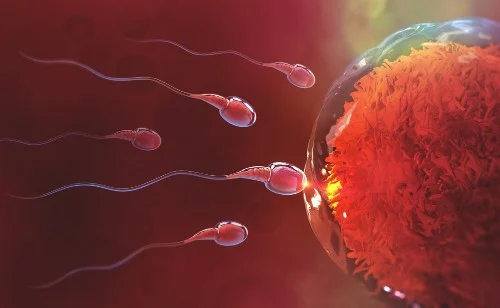
The Role of Exercise and Nutrition in Male Fertility
Furthermore, maintaining a healthy weight through proper nutrition is crucial for male fertility. Excess weight can lead to hormonal imbalances and lower sperm quality. On the other hand, being underweight can also affect fertility by disrupting hormone levels. A well-balanced diet that provides all the necessary nutrients can help to maintain a healthy weight and improve fertility.
Lifestyle Tips for Improving Male Fertility
In addition to regular exercise and proper nutrition, there are other lifestyle factors that men can incorporate to improve their fertility. These include:
1. Avoiding tobacco and excessive alcohol consumption: Both smoking and excessive drinking can have a negative impact on sperm quality and fertility.
2. Limiting exposure to environmental toxins: Pesticides, heavy metals, and other chemicals can affect sperm production and quality. Men should take precautions to limit their exposure to these toxins.
3. Managing stress: Stress can disrupt hormone levels and affect sperm production. Finding ways to manage stress through exercise, meditation, or therapy can help to improve fertility.
4. Getting enough sleep: Lack of sleep can lead to hormonal imbalances and lower sperm quality. Aim for 7-8 hours of quality sleep each night.
5. Avoiding hot tubs and saunas: Excessive heat can have a negative impact on sperm production. Men should avoid spending extended periods in hot tubs, saunas, or hot baths.
Summary:
Male fertility is an essential aspect of starting a family, and lifestyle factors such as exercise and nutrition play a crucial role in optimizing fertility. Regular exercise can improve sperm quality and hormone levels, while a well-balanced diet rich in antioxidants and essential nutrients can also support sperm production and quality. Other lifestyle factors such as avoiding tobacco and excessive alcohol consumption, managing stress, and getting enough sleep can also contribute to improved male fertility. By making small changes to their lifestyle, men can increase their chances of conception and start their journey to parenthood.