Blog Post:
The journey to parenthood can be a challenging one for many couples, and when it comes to fertility and conception, diet and nutrition play a crucial role. While there are various factors that can affect the insemination process, the food we eat and the nutrients we consume can have a significant impact on our reproductive health. In this blog post, we will explore the connection between diet and nutrition and the insemination process, and how making healthy choices can increase the chances of successful conception.
The Role of Diet in Preparing for Insemination
Before diving into the specifics of how diet and nutrition impact the insemination process, it’s essential to understand the importance of a healthy diet when preparing for pregnancy. A well-balanced diet rich in essential nutrients is crucial for the overall health of both partners and can help regulate hormone levels, improve egg and sperm quality, and increase the chances of conception.
Foods rich in antioxidants, such as fruits and vegetables, can help protect the reproductive cells from oxidative stress, which can damage DNA and affect fertility. Consuming healthy fats, like those found in avocados, nuts, and olive oil, can also improve fertility by regulating hormone production and promoting healthy ovulation.
On the other hand, a diet high in processed foods, unhealthy fats, and sugar can have a negative impact on fertility. These foods can cause inflammation in the body, disrupt hormone levels, and reduce the quality of sperm and eggs. Therefore, it’s crucial to make mindful food choices to optimize fertility and prepare for the insemination process.
The Impact of Nutrition on Egg Quality
Egg quality is a crucial factor in achieving successful insemination and pregnancy. A woman’s egg quality is mainly determined by her age, but nutrition can also play a significant role. As women age, the number and quality of their eggs decline, making it harder to conceive. However, consuming a diet rich in specific nutrients can help improve egg quality and increase the chances of successful fertilization.
One crucial nutrient for egg health is folate, found in leafy greens, legumes, and citrus fruits. Folate is essential for the development and maturation of eggs, and a deficiency in this nutrient can lead to chromosomal abnormalities in the egg, making it difficult to conceive. Other nutrients that can improve egg quality include vitamin D, vitamin E, and omega-3 fatty acids.
Sperm Health and Nutrition
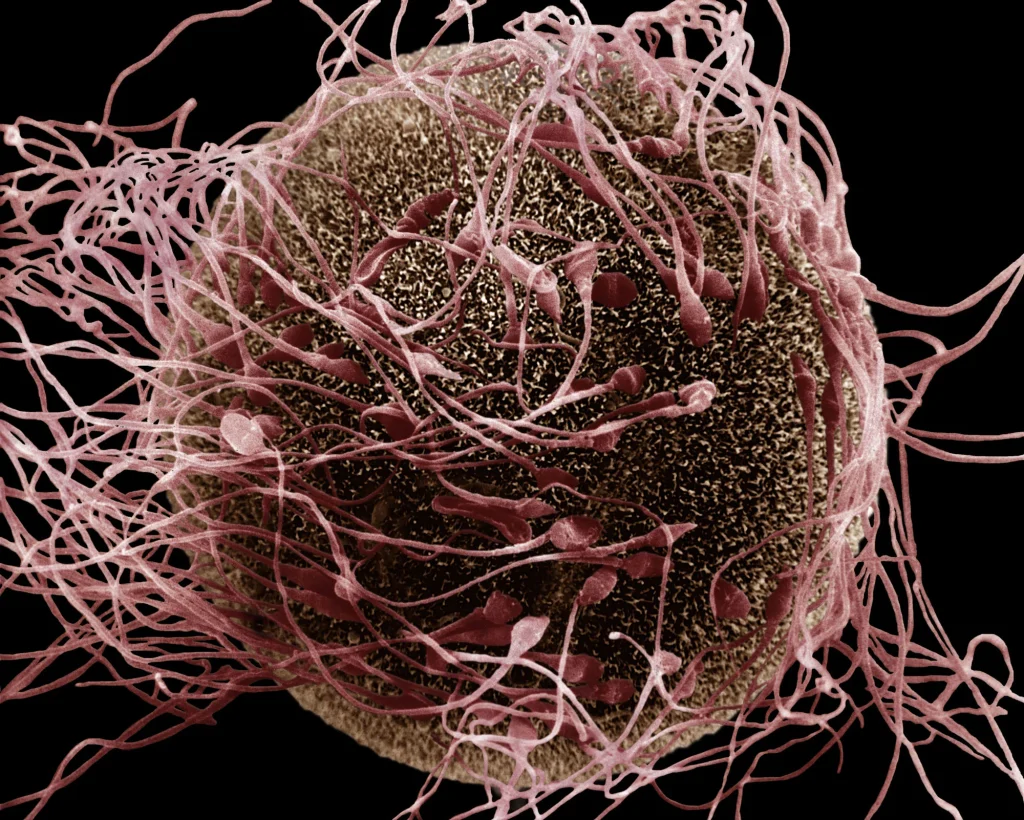
When it comes to male fertility, the focus is often on sperm count and motility. However, the quality of sperm is equally crucial for successful insemination and pregnancy. Studies have shown that a diet high in antioxidants, vitamins, and minerals can improve sperm quality and increase the chances of fertilization.
The Impact of Diet and Nutrition on the Insemination Process
Some key nutrients for sperm health include zinc, found in oysters, beef, and pumpkin seeds, which is essential for sperm production and function. Vitamin C, found in citrus fruits and berries, can also boost sperm motility and reduce oxidative stress. Additionally, a diet rich in omega-3 fatty acids, found in fish, nuts, and seeds, can improve sperm morphology, or the size and shape of the sperm.
The Role of Weight and BMI in Fertility
Maintaining a healthy weight and body mass index (BMI) is vital for fertility and successful insemination. Being overweight or underweight can cause hormonal imbalances, leading to irregular ovulation and decreased sperm quality. Studies have shown that women with a BMI of over 25 and men with a BMI of over 30 may have a harder time conceiving, while those with a lower BMI may have reduced sperm production.
Therefore, it’s essential to maintain a healthy weight through a balanced diet and regular exercise to optimize fertility and increase the chances of successful insemination.
The Importance of Hydration for Fertility
Staying hydrated is crucial for overall health, but it’s especially important for fertility. Dehydration can lead to a decrease in cervical mucus, which plays a vital role in the insemination process by helping sperm reach the egg. Additionally, being well-hydrated can help regulate hormone levels, improve egg and sperm quality, and increase blood flow to the reproductive organs.
Experts recommend drinking at least eight glasses of water a day, but this can vary depending on individual needs. It’s essential to listen to your body and make sure you’re staying adequately hydrated, especially when preparing for insemination.
Influencing Factors on Fertility
While diet and nutrition play a significant role in the insemination process, it’s essential to note that other factors can also affect fertility. Stress, smoking, alcohol consumption, and certain medications can all have a negative impact on reproductive health and decrease the chances of successful conception.
Therefore, it’s crucial to adopt a holistic approach to fertility and make healthy lifestyle choices that support overall well-being.
In summary, diet and nutrition are essential factors in the insemination process. A healthy, balanced diet rich in nutrients can improve egg and sperm quality, regulate hormone levels, and increase the chances of successful fertilization. Maintaining a healthy weight, staying hydrated, and making mindful food choices can all contribute to optimizing fertility and preparing for the journey to parenthood.
SEO Metadata: