Embryo transfer is a crucial step in the process of in vitro fertilization (IVF) where a fertilized embryo is placed into the uterus of a woman to establish pregnancy. This procedure has helped countless couples realize their dreams of becoming parents. However, the success of embryo transfer is not solely dependent on the medical procedures and techniques used, but also on various lifestyle factors that can greatly impact the outcome. In this blog post, we will explore the role of lifestyle factors in embryo transfer and how they can influence the success of the procedure.
Nutrition and Diet
One of the most important lifestyle factors that can affect embryo transfer is nutrition and diet. A healthy and balanced diet is crucial for the development and growth of the embryo. It is recommended for women who are undergoing IVF treatment to follow a diet that is rich in nutrients such as folic acid, iron, and calcium. These nutrients are essential for the development of a healthy embryo and can also improve the quality of the eggs. It is also important to limit or avoid caffeine, alcohol, and processed foods, as they can negatively impact the success of embryo transfer.
Exercise and Physical Activity
Regular exercise and physical activity can also play a significant role in embryo transfer. Studies have shown that women who engage in moderate exercise have a higher success rate in IVF treatment compared to those who are sedentary. Exercise helps to improve blood flow and circulation to the reproductive organs, which can enhance the implantation of the embryo. However, it is important to avoid high-intensity workouts and consult with a doctor before starting any exercise routine during IVF treatment.
Stress Management
The emotional and mental state of a woman can greatly affect the success of embryo transfer. Stress and anxiety can interfere with hormone levels and ovulation, making it more difficult for the embryo to implant. It is important for women to find ways to manage stress during the IVF process, such as practicing relaxation techniques, meditation, or talking to a therapist. Support from family and friends can also be beneficial in reducing stress levels.
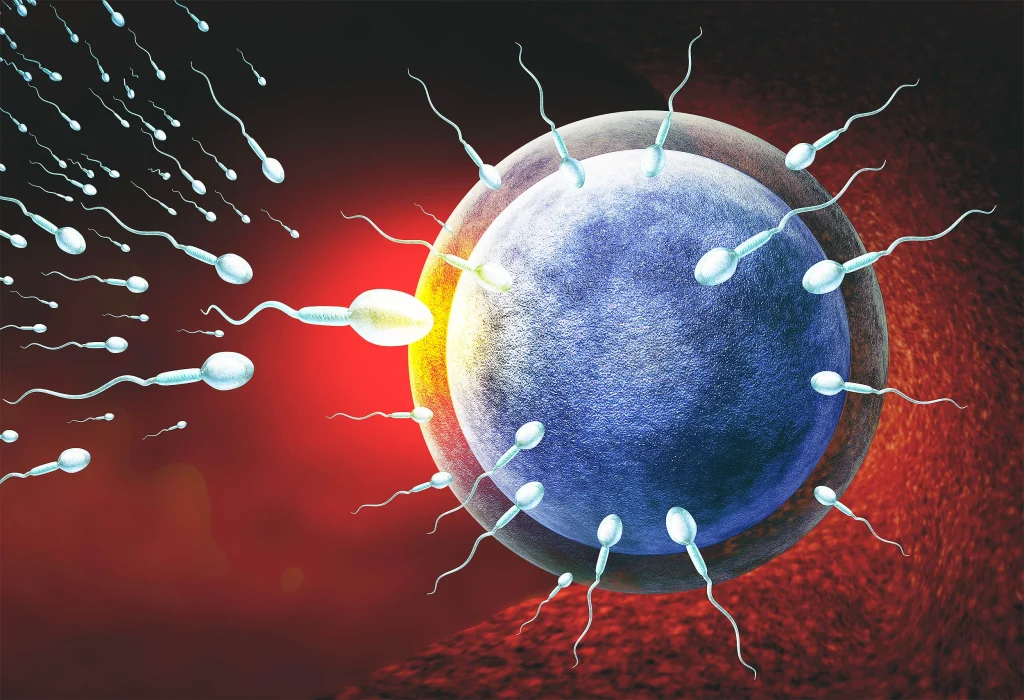
Embryo Transfer: The Role of Lifestyle Factors
Smoking and Alcohol Consumption
Smoking and alcohol consumption can have a detrimental effect on embryo transfer. Smoking can decrease the success rate of IVF treatment by up to 50%, as it can damage the eggs and sperm, and affect hormone levels. Similarly, alcohol consumption can also decrease the chances of successful embryo transfer, as it can negatively impact the quality of eggs and sperm. It is important for both partners to avoid smoking and excessive alcohol consumption during IVF treatment.
Body Weight
Maintaining a healthy body weight is crucial for the success of embryo transfer. Being underweight or overweight can affect hormone levels and ovulation, making it more difficult for the embryo to implant. Women who are undergoing IVF treatment should aim to achieve a healthy body mass index (BMI) before starting the procedure. A healthy diet and regular exercise can help in achieving and maintaining a healthy weight.
Environmental Factors
Environmental factors can also play a role in embryo transfer. Exposure to toxins, such as chemicals and pollutants, can affect the quality of eggs and sperm, making it difficult for the embryo to implant. It is important for women to avoid exposure to these toxins, especially during IVF treatment. This includes avoiding household cleaning products, pesticides, and other harmful chemicals.
In conclusion, lifestyle factors such as nutrition, exercise, stress management, smoking, alcohol consumption, body weight, and environmental factors can greatly influence the success of embryo transfer. It is important for women who are undergoing IVF treatment to make positive lifestyle choices and adopt healthy habits to improve their chances of a successful pregnancy. Consulting with a doctor and following their recommendations can also help in achieving a successful embryo transfer.
To summarize, embryo transfer is a crucial step in the IVF process, and lifestyle factors can greatly impact its success. Maintaining a healthy diet, regular exercise, managing stress, avoiding smoking and alcohol consumption, maintaining a healthy body weight, and avoiding exposure to toxins are all important in improving the chances of a successful embryo transfer.