Blog Post:
Infertility affects approximately 10-15% of couples worldwide, and it can be a devastating and emotionally taxing experience. Fortunately, advancements in modern medicine have made fertility treatments more accessible and successful. However, many couples may not realize that nutrition plays a crucial role in the success of these treatments. In this blog post, we will explore the importance of nutrition in fertility treatments and how making healthy dietary choices can improve the chances of conceiving.
Understanding Fertility Treatments:
Before we dive into the role of nutrition in fertility treatments, let’s first understand what these treatments entail. Fertility treatments are procedures or medications used to help couples who are struggling with infertility to conceive a child. These treatments can range from simple lifestyle changes to more invasive procedures such as in vitro fertilization (IVF). Some common types of fertility treatments include:
1. Medications: These include hormonal medications, such as clomiphene citrate, which stimulates ovulation in women and increases sperm production in men.
2. Intrauterine insemination (IUI): This is a procedure in which sperm is placed directly into the uterus, increasing the chances of fertilization.
3. In vitro fertilization (IVF): This is the most commonly known fertility treatment, where eggs are retrieved from the woman’s ovaries and fertilized with sperm in a laboratory. The resulting embryos are then transferred into the woman’s uterus.
The Role of Nutrition in Fertility Treatments:
While undergoing fertility treatments, many couples focus solely on the medical procedures and medications prescribed by their doctors. However, they may not realize that their diet and lifestyle choices can significantly impact the success of these treatments. Adequate nutrition is crucial for overall health and well-being, and it can also play a vital role in fertility. Here are some ways in which nutrition can affect fertility treatments:
1. Hormonal Balance:
Hormonal imbalances are a common cause of infertility in both men and women. For women, imbalances in hormones such as estrogen, progesterone, and luteinizing hormone (LH) can affect ovulation and the menstrual cycle. In men, low levels of testosterone and high levels of estrogen can lead to low sperm count and quality. A diet rich in whole, nutrient-dense foods, such as fruits, vegetables, whole grains, and lean proteins, can help regulate hormone levels and improve fertility.
2. Egg and Sperm Quality:
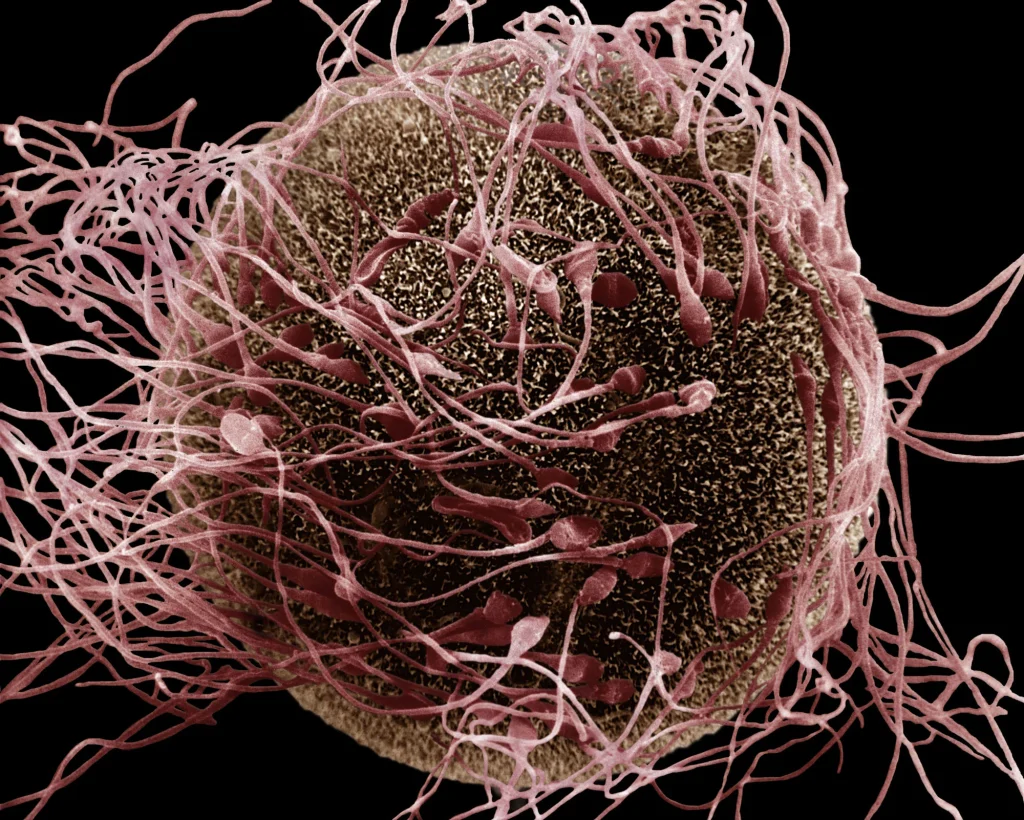
For natural conception to occur, the quality of both the egg and sperm is essential. A diet high in antioxidants, such as vitamins C and E, can help protect the eggs and sperm from oxidative damage, which can affect their quality. Foods rich in antioxidants include berries, leafy greens, nuts, and seeds. Additionally, omega-3 fatty acids found in fatty fish, flaxseeds, and chia seeds can also improve egg and sperm quality.
The Role of Nutrition in Fertility Treatments
3. Weight Management:
Being overweight or underweight can negatively impact fertility and the success of fertility treatments. Excess body fat can lead to hormonal imbalances, while being underweight can affect ovulation and menstruation. Maintaining a healthy weight through proper nutrition can help regulate hormone levels and increase the chances of conception.
4. Inflammation:
Chronic inflammation in the body can harm fertility by affecting the production of hormones and the quality of eggs and sperm. A diet high in processed foods, refined sugars, and unhealthy fats can contribute to inflammation. On the other hand, a diet rich in anti-inflammatory foods, such as fruits, vegetables, and healthy fats, can help reduce inflammation and improve fertility.
5. IVF Success Rates:
IVF is a complex and costly fertility treatment, and its success rate can vary greatly depending on various factors. One of these factors is the diet and lifestyle choices of the couple undergoing the treatment. Studies have shown that women who followed a Mediterranean-style diet, which includes plenty of fruits, vegetables, whole grains, and healthy fats, had higher success rates with IVF compared to those who did not follow this diet.
Making Healthy Dietary Choices:
Now that we understand the role of nutrition in fertility treatments, the question is, what should we eat to improve our chances of conceiving? Here are some dietary tips to keep in mind:
1. Eat a variety of fruits and vegetables: Aim for at least five servings of fruits and vegetables per day, as they are rich in vitamins, minerals, and antioxidants.
2. Choose whole grains over refined grains: Whole grains, such as brown rice, quinoa, and whole-wheat bread, are rich in fiber and nutrients, making them a healthier choice than refined grains.
3. Include lean protein sources: Opt for lean proteins, such as poultry, fish, beans, and lentils, over red meat, which can be high in saturated fat.
4. Limit processed and high-sugar foods: These foods can contribute to inflammation, hormonal imbalances, and weight gain, so it’s best to limit or avoid them altogether.
5. Stay hydrated: Drinking enough water is important for overall health, and it can also help with fertility by keeping the body well-hydrated.
In summary, nutrition plays a crucial role in the success of fertility treatments. By making healthy dietary choices, couples can improve their overall health and increase their chances of conceiving. A balanced diet rich in whole, nutrient-dense foods, along with regular exercise and stress management, can greatly contribute to a successful fertility journey.