Blog Post:
As technology continues to advance, the field of medicine is also constantly evolving. One area that has seen significant developments in recent years is artificial insemination (AI). This assisted reproductive technology has helped many couples and individuals conceive and start families. However, as we look into the future, it is clear that AI will continue to play a significant role in the world of fertility. In this blog post, we will explore how artificial insemination may look like in 2025 and what steps you can take to prepare your body for the procedure.
The Current State of Artificial Insemination:
Before we delve into the future, let’s first understand the current state of artificial insemination. AI is the process of inserting sperm into a woman’s reproductive tract through non-coital means. This can be done using various techniques, such as intrauterine insemination (IUI) or in vitro fertilization (IVF). These techniques have been around for decades and have helped many individuals and couples overcome fertility challenges.
However, AI is not a one-size-fits-all solution. It is suitable for some but may not be the best option for others. Factors such as age, overall health, and fertility issues play a significant role in determining the success of AI. Additionally, the success rates for AI vary, with IVF having a higher success rate than IUI. Therefore, it is essential to consult with a fertility specialist to determine the best course of action for your specific situation.
Looking into the Future:
Now, let’s fast forward to 2025. It is estimated that by this time, AI will have advanced significantly, providing more options and higher success rates for individuals and couples trying to conceive. Here are some of the changes we can expect to see in the field of AI by 2025:
1. Personalized Treatment Plans:
With the advancements in technology, fertility doctors will be able to create personalized treatment plans for each patient. This will involve analyzing the patient’s DNA and identifying any genetic markers that may affect their fertility. By understanding a person’s genetic makeup, doctors can tailor their treatment plan to increase the chances of success.
2. Improved Sperm Selection:
In current AI procedures, doctors select the best sperm based on their shape and movement. However, in the future, technology may allow for the selection of sperm based on their genetic makeup. This will help identify the healthiest and most viable sperm, increasing the chances of a successful pregnancy.
3. Enhanced Embryo Selection:
In IVF, embryos are typically selected based on their appearance and development. However, in the future, doctors may be able to analyze the genetic makeup of embryos to select the healthiest and most viable ones for implantation. This will not only increase the chances of a successful pregnancy but also reduce the risk of genetic disorders.
4. Non-Invasive Procedures:
Currently, AI procedures involve invasive techniques, such as inserting a catheter into the uterus. However, with advancements in technology, non-invasive procedures may become the norm. This could include using nanotechnology to deliver sperm or embryos directly to the uterus, eliminating the need for invasive procedures.
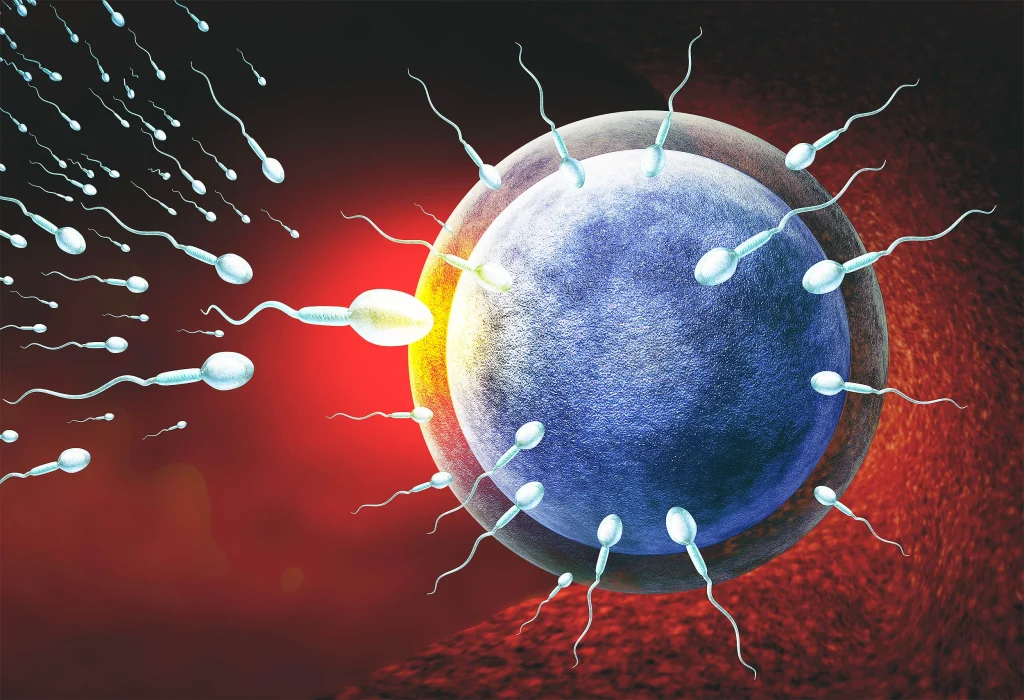
A Look into the Future: Preparing Your Body for Artificial Insemination in 2025
5. Use of Artificial Intelligence:
Artificial intelligence (AI) is already being used in many areas of medicine, and fertility treatments will not be an exception. AI can help doctors analyze vast amounts of data and identify patterns that may affect fertility. This will help doctors make more accurate diagnoses and create more effective treatment plans.
Preparing Your Body for Artificial Insemination:
While the future of AI looks promising, there are steps you can take now to prepare your body for the procedure. Here are some tips:
1. Maintain a Healthy Lifestyle:
A healthy lifestyle is crucial for overall well-being and fertility. Make sure to eat a nutritious diet, exercise regularly, and avoid harmful substances such as tobacco and excessive alcohol consumption. These lifestyle changes can help improve your chances of a successful AI procedure.
2. Understand Your Fertility:
It is essential to understand your fertility and any potential issues that may affect your chances of conception. Consult with a fertility specialist to get a better understanding of your reproductive health and any steps you can take to improve it.
3. Consider Supplements:
Certain supplements, such as folic acid and CoQ10, have been shown to improve fertility in both men and women. Consult with your doctor about which supplements may benefit you and your partner.
4. Manage Stress:
Stress can have a significant impact on fertility, so it is crucial to find ways to manage it. This can include activities such as yoga, meditation, or therapy.
5. Stay Informed:
As AI technology continues to advance, it is essential to stay informed and up-to-date on the latest developments. This will help you make informed decisions about your fertility and any potential treatments.
In summary, artificial insemination has come a long way and will continue to evolve in the future. With advancements in technology, personalized treatment plans, and non-invasive procedures, AI is expected to have higher success rates and offer more options for individuals and couples trying to conceive. By maintaining a healthy lifestyle, understanding your fertility, and staying informed, you can prepare your body for the AI procedures of the future.