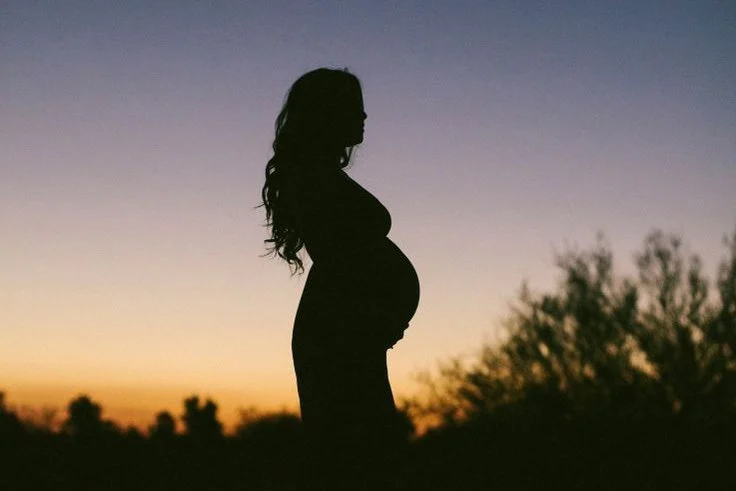
During pregnancy, women face countless decisions, but few topics spark as much debate as the choice between natural childbirth and opting for an epidural. As a physician, I want to express my utmost respect for those who choose the natural route. It’s akin to watching extreme sports; the skill and endurance displayed are awe-inspiring, yet I wouldn’t dare to attempt it myself.
Conversely, my admiration for anesthesia is profound. I remember my own anticipation for an epidural during my first pregnancy, practically counting down the weeks until its availability. By the time I was expecting my second child at the age of 37—a time referred to as a “geriatric pregnancy”—I was keenly aware of how quickly things could escalate. My doctor had called me in for urgent tests due to some concerning results, and that’s when the reality hit me.
Upon arriving at the hospital, my husband and I were ushered into a room, where we could hear the unmistakable sounds of unmediated childbirth from the next room. The cries of that woman were unlike anything I had ever experienced before. I glanced nervously at my husband, half in fear and half in awe.
As time ticked on, the intensity of those sounds only increased. I found myself thinking, “Oh my, that poor woman.” I couldn’t help but wonder if she might be contemplating naming her child “Epidural” by the end of it all.
After what felt like an eternity, our doctor finally arrived—her news was both alarming and somewhat reassuring. My blood tests indicated a condition I whimsically dubbed “Snarfenflephograph.” While there was no immediate risk to my baby or me, the doctor warned that if my condition worsened, an epidural might not be an option.
This news sent shockwaves through my mind, and I couldn’t help but mentally scream, “You brought us here to tell me I might not get my epidural?!” Luckily, I remained composed outwardly. The next morning, as my contractions intensified, I found myself in a rather precarious situation. My husband was at the pediatrician’s office, and I had to cleverly convey my urgency, which surprisingly expedited our visit.
Upon arrival at the hospital, I was already seven centimeters dilated—too far along for an epidural, or so I thought. But there was still hope! I just had to complete one last blood test. As I lay in pain, desperately trying to remember my prenatal breathing techniques, I was relieved to learn that the anesthesiologist could stay in the room while awaiting results.
When the moment arrived, the cool antiseptic on my back was a welcome relief. It’s astonishing how quickly the agony transformed into a moment of clarity where I could refocus on my husband and the impending arrival of our child rather than my pain.
Some may argue that opting for an epidural means missing out on the full birthing experience, but I liken it to choosing anesthesia for a surgical procedure. Women have been birthing for centuries, but I suspect they would have embraced modern options had they been available. If you’re undecided about an epidural, I encourage you to consider the benefits. It allows for a more relaxed experience, which can even include reading magazines and enjoying your surroundings. Just remember to keep the remote handy—you never know when you might need to adjust the volume on the TV to drown out the sounds from the next room.
For more insights on fertility and home insemination, check out this link for valuable information: Intracervical Insemination. You can also visit Make a Mom for expert guidance on your journey. For further reading on pregnancy-related topics, consider exploring Genetics and IVF Institute.
In summary, while the debate over natural versus medicated childbirth will likely continue, there’s no shame in choosing an epidural. It can transform the birthing experience into a more manageable and even enjoyable occasion.