Blog Post:
Zinc and Sperm DNA: How to Protect and Improve It
Sperm DNA is an essential component for male fertility and plays a crucial role in successful conception and healthy offspring. However, various factors can damage sperm DNA, leading to fertility issues and genetic abnormalities in offspring. One such factor is zinc deficiency, which has been linked to poor sperm quality and DNA damage. In this blog post, we will explore the relationship between zinc and sperm DNA and how to protect and improve it for better fertility and healthier offspring.
What is Zinc?
Zinc is an essential mineral that plays a vital role in various bodily functions, including cellular growth and division, immune system function, and wound healing. It is also a crucial nutrient for male reproductive health, as it is highly concentrated in the prostate gland and semen. The body does not naturally produce zinc, so it must be obtained through diet or supplements.
Zinc and Sperm DNA
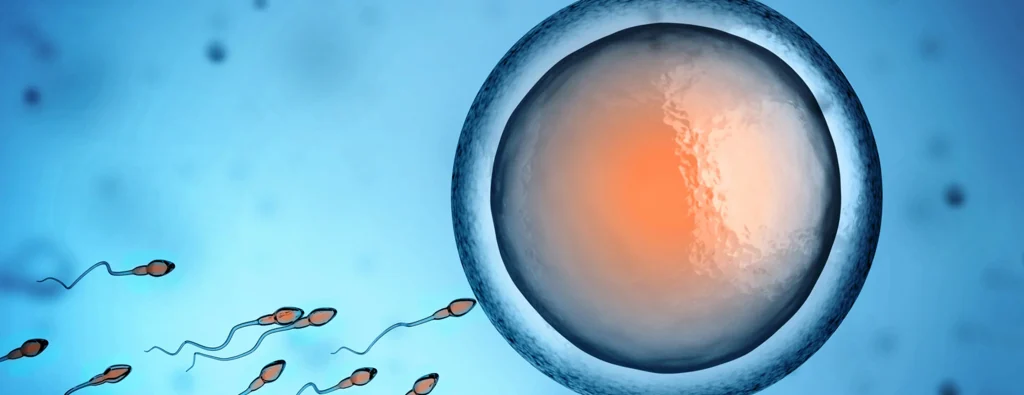
Sperm DNA is the genetic material that carries the instructions for the development and growth of an embryo. It is tightly packed inside the sperm head, protected by a protein shell. However, this shell can be easily damaged, leading to DNA fragmentation. Studies have shown that zinc plays a crucial role in maintaining the integrity of this protein shell, preventing DNA damage and fragmentation.
Zinc deficiency has been linked to poor sperm quality, reduced sperm motility, and increased DNA damage. A study conducted on infertile men found that those with low levels of zinc in their semen had a higher percentage of sperm with DNA fragmentation. Another study showed that zinc supplementation in men with low sperm counts and poor sperm quality improved their sperm DNA integrity and increased pregnancy rates.
How to Protect and Improve Sperm DNA with Zinc
1. Ensure Adequate Zinc Intake
The recommended daily intake of zinc for adult males is 11 mg. However, this may vary depending on age, health status, and dietary habits. To ensure adequate zinc intake, include zinc-rich foods in your diet, such as oysters, beef, chicken, beans, nuts, and whole grains. If you have a zinc deficiency, your doctor may recommend zinc supplements to meet your daily needs.
Zinc and Sperm DNA: How to Protect and Improve It
2. Avoid Zinc Depleting Factors
Certain factors can deplete the body’s zinc levels, including excessive alcohol consumption, smoking, high sugar intake, and stress. These factors can also affect sperm DNA integrity. Therefore, it is essential to limit or avoid them to maintain healthy zinc levels in the body.
3. Consider Zinc Supplementation
If you are planning to conceive or have been diagnosed with low sperm quality, your doctor may recommend zinc supplementation. Zinc supplements are available in various forms, including zinc gluconate, zinc sulfate, and zinc citrate. However, it is crucial to consult with your doctor before starting any supplements to determine the right dosage and to avoid any potential side effects.
4. Combine Zinc with Other Nutrients
While zinc plays a significant role in maintaining sperm DNA integrity, it is not the only nutrient that affects male fertility. Combining zinc with other nutrients, such as folate, vitamin C, vitamin E, and selenium, can provide a synergistic effect and further improve sperm quality and DNA integrity.
5. Follow a Healthy Lifestyle
Healthy lifestyle habits, such as regular exercise, maintaining a healthy weight, and reducing stress, can also help protect and improve sperm DNA. Exercise has been shown to increase testosterone levels, which can improve sperm quality. Maintaining a healthy weight can also help balance hormone levels and reduce oxidative stress, which can damage sperm DNA. Additionally, reducing stress through relaxation techniques, such as yoga and meditation, can help improve sperm quality and DNA integrity.
In conclusion, zinc plays a crucial role in maintaining sperm DNA integrity and overall male fertility. Ensuring adequate zinc intake, avoiding zinc depleting factors, and considering supplementation can help protect and improve sperm DNA. Combining zinc with other nutrients and following a healthy lifestyle can also provide additional benefits. By taking care of your zinc levels, you can increase your chances of successful conception and have healthier offspring.
Summary:
Zinc is an essential mineral for male reproductive health and plays a crucial role in protecting sperm DNA. Zinc deficiency has been linked to poor sperm quality and increased DNA damage, leading to fertility issues and genetic abnormalities in offspring. To protect and improve sperm DNA, it is essential to ensure adequate zinc intake, avoid zinc depleting factors, consider supplementation, combine zinc with other nutrients, and follow a healthy lifestyle. By taking care of your zinc levels, you can increase your chances of successful conception and have healthier offspring.