Understanding Sperm DNA Fragmentation and Its Impact on Fertility
When we think about fertility, we often focus on the health and quality of the female reproductive system. However, male factors also play a crucial role in a couple’s ability to conceive. One factor that is gaining more attention in the field of reproductive medicine is sperm DNA fragmentation. In this blog post, we will explore what sperm DNA fragmentation is, why it matters for fertility, and how it can be diagnosed and treated.
What is Sperm DNA Fragmentation?
Sperm DNA fragmentation refers to the amount of damage present in the DNA of a sperm cell. Sperm cells, like all other cells in the body, contain DNA that carries the genetic information needed for fertilization and embryo development. However, unlike other cells, sperm cells do not have the ability to repair DNA damage. This means that any damage present in the DNA of a sperm cell can have a significant impact on the health and development of the embryo.
Why Does Sperm DNA Fragmentation Matter for Fertility?
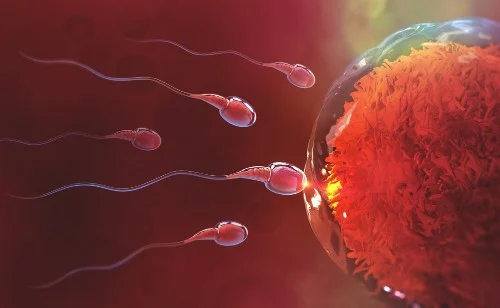
When a sperm cell fertilizes an egg, the DNA from both cells combines to form the genetic blueprint of the embryo. If the sperm DNA is damaged, it can lead to a variety of issues that can affect fertility and the health of the resulting child. Some studies have shown that high levels of sperm DNA fragmentation can lead to lower pregnancy rates, increased risk of miscarriage, and even birth defects in the offspring.
Additionally, sperm DNA fragmentation can affect the success of assisted reproductive techniques, such as in vitro fertilization (IVF). In IVF, sperm cells are selected and injected directly into the egg, bypassing the natural selection process that occurs during fertilization. This means that sperm cells with damaged DNA may still be used in the fertilization process, leading to a lower chance of embryo development and implantation.
What Causes Sperm DNA Fragmentation?
There are several factors that can contribute to sperm DNA fragmentation. One of the most common causes is oxidative stress, which occurs when there is an imbalance between the production of reactive oxygen species (ROS) and the body’s ability to neutralize them. ROS can damage the DNA of sperm cells and lead to fragmentation.
Other factors that can contribute to sperm DNA fragmentation include environmental toxins, chronic infections, hormonal imbalances, and lifestyle choices such as smoking and excessive alcohol consumption. Age can also play a role, as sperm cells from older men tend to have higher levels of DNA damage.
Understanding Sperm DNA Fragmentation and Its Impact on Fertility
Diagnosing Sperm DNA Fragmentation
To diagnose sperm DNA fragmentation, a semen analysis is typically performed. This involves collecting a sample of semen and analyzing it for various parameters, including sperm count, motility, and morphology. In recent years, a new test called the sperm chromatin structure assay (SCSA) has been developed to specifically measure DNA fragmentation in sperm cells.
The SCSA involves staining sperm cells with a special dye that can detect DNA damage. The stained cells are then analyzed using flow cytometry, a technique that can measure the amount of DNA fragmentation in each cell. This test is more accurate than traditional semen analysis in detecting sperm DNA fragmentation and can help identify couples who may require additional fertility treatment.
Treating Sperm DNA Fragmentation
The treatment of sperm DNA fragmentation depends on the underlying cause. In cases where oxidative stress is the main culprit, lifestyle modifications such as quitting smoking and reducing alcohol intake can help. Antioxidant supplements can also be prescribed to reduce oxidative stress and improve sperm DNA quality.
If a chronic infection is present, antibiotics or other medications may be prescribed to clear the infection. Hormonal imbalances can be corrected through medications or lifestyle changes. In cases where sperm DNA fragmentation is due to age, assisted reproductive techniques such as IVF with intracytoplasmic sperm injection (ICSI) can be used to bypass the damaged sperm and achieve pregnancy.
Conclusion
Sperm DNA fragmentation is a critical factor in male fertility and can have a significant impact on a couple’s ability to conceive. It is important for couples struggling with infertility to consider both male and female factors and seek proper testing and treatment. With advancements in technology and treatment options, there is hope for couples dealing with sperm DNA fragmentation to achieve their dream of starting a family.
Summary:
– Sperm DNA fragmentation refers to the amount of damage present in the DNA of a sperm cell and can affect fertility and the health of the resulting child.
– Causes of sperm DNA fragmentation include oxidative stress, environmental toxins, chronic infections, and lifestyle choices.
– The sperm chromatin structure assay (SCSA) is a new test used to diagnose sperm DNA fragmentation.
– Treatment options include lifestyle modifications, antioxidant supplements, medication for infections or hormonal imbalances, and assisted reproductive techniques such as IVF with ICSI.