Blog Post:
The Link Between Lifestyle and Sperm Health: How Your Habits Impact Fertility
When it comes to fertility and conception, most of the focus tends to be on the female partner. However, research has shown that male fertility plays a significant role in a couple’s ability to conceive. In fact, male factors contribute to approximately 30-40% of all infertility cases. One crucial aspect of male fertility is sperm health. The quality and quantity of sperm can heavily influence a man’s ability to father a child. While genetics and medical conditions can affect sperm health, lifestyle factors also play a crucial role. In this blog post, we will explore the link between lifestyle and sperm health and how you can make positive changes to improve your chances of conceiving.
The Impact of Diet on Sperm Health
It’s no secret that a healthy diet is essential for overall health and wellbeing. But did you know that it can also affect sperm health? Studies have shown that men who follow a healthy and balanced diet have better sperm quality compared to those who consume a high-fat, high-sugar diet. A diet rich in fruits, vegetables, whole grains, and lean proteins has been linked to higher sperm count, motility, and morphology (shape and size of sperm). On the other hand, a diet high in processed foods, red meat, and saturated fats has been associated with poor sperm health.
One nutrient that has been found to be particularly beneficial for sperm health is antioxidants. These are substances that help neutralize harmful free radicals in the body, which can damage cells, including sperm cells. Foods rich in antioxidants include berries, nuts, dark leafy greens, and fish. On the other hand, excessive alcohol and caffeine intake have been linked to lower sperm quality. So, if you and your partner are trying to conceive, it’s essential to maintain a healthy and balanced diet to optimize sperm health.
The Impact of Smoking and Substance Abuse on Sperm Health
Smoking is known to have numerous negative effects on overall health, and it also has a significant impact on sperm health. Studies have shown that smoking can lead to lower sperm count, motility, and abnormal sperm shape. It is also linked to DNA damage in sperm, which can lead to fertility problems and an increased risk of miscarriage. Smoking has also been found to reduce the success rates of fertility treatments such as IVF.
Similarly, substance abuse, including the use of recreational drugs, can also harm sperm health. Drug use has been linked to a decrease in sperm count, motility, and an increase in abnormal sperm. Marijuana, in particular, has been found to have a negative impact on sperm quality. It can lead to a decrease in testosterone levels, which is crucial for sperm production. So, if you and your partner are trying to conceive, it’s crucial to avoid smoking and substance abuse to optimize sperm health.
The Impact of Exercise and Weight on Sperm Health
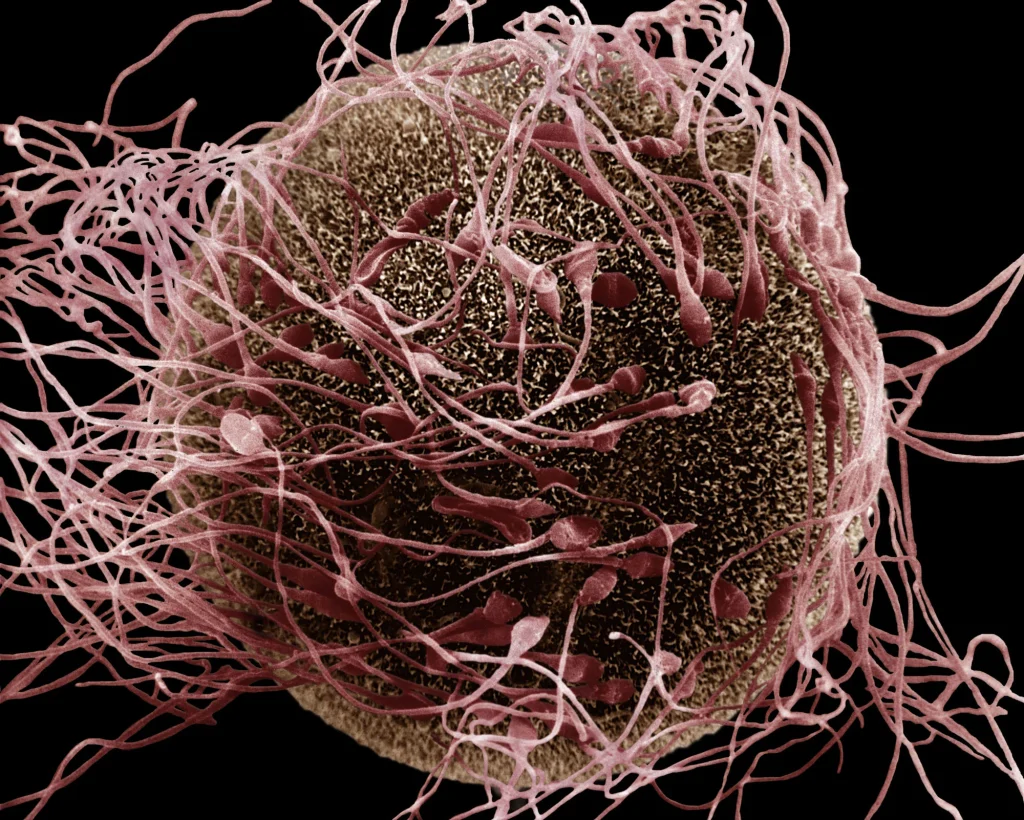
The Link Between Lifestyle and Sperm Health
Regular exercise is vital for maintaining a healthy weight and overall wellbeing. But did you know that it can also improve sperm health? Studies have shown that men who engage in moderate exercise have better sperm quality compared to those who lead a sedentary lifestyle. However, excessive exercise, especially endurance training, can have the opposite effect. It can lead to a decrease in sperm count, motility, and testosterone levels. So, it’s essential to strike a balance and engage in moderate exercise to optimize sperm health.
On the other hand, being overweight or obese can have a negative impact on sperm health. Studies have shown that men who are overweight or obese have lower sperm count, motility, and abnormal sperm compared to men with a healthy weight. Excess weight can also lead to hormonal imbalances, which can affect sperm production. So, maintaining a healthy weight through a balanced diet and regular exercise is crucial for optimizing sperm health.
The Impact of Stress on Sperm Health
In today’s fast-paced world, stress is a common occurrence for many people. However, chronic stress can have a significant impact on overall health, including sperm health. High-stress levels have been linked to lower sperm count, motility, and abnormal sperm. Stress can also lead to hormonal imbalances, which can affect sperm production. So, it’s essential to find ways to manage and reduce stress, such as practicing relaxation techniques, exercise, and seeking therapy if needed.
The Impact of Environmental Factors on Sperm Health
Apart from lifestyle factors, environmental factors can also affect sperm health. Exposure to toxins and chemicals, such as pesticides and industrial chemicals, can harm sperm production and quality. Men who work in industries that expose them to these harmful chemicals have been found to have lower sperm quality. So, if you work in such an environment, it’s essential to take necessary precautions to protect yourself from exposure.
Final Thoughts
The link between lifestyle and sperm health is undeniable. The choices we make, such as what we eat, how much we exercise, and how we manage stress, can all have a direct impact on sperm health. Making positive changes to our lifestyle habits can help optimize sperm health and increase the chances of conception. If you and your partner are trying to conceive, it’s essential to pay attention to your lifestyle habits and make necessary changes to improve sperm health. Additionally, it’s crucial to seek medical advice if you have any underlying medical conditions that may be affecting sperm health.
Summary:
Sperm health plays a crucial role in male fertility, with lifestyle factors having a significant impact on it. Diet, smoking, substance abuse, exercise, weight, stress, and environmental factors can all affect sperm quality and quantity. A healthy and balanced diet, avoiding smoking and substance abuse, engaging in moderate exercise, maintaining a healthy weight, managing stress, and avoiding exposure to harmful toxins and chemicals can help optimize sperm health and increase the chances of conception.