Blog Post: Sperm Health and Pregnancy: The Importance of Proper Nutrition for Male Fertility
When it comes to conceiving a child, many couples often focus solely on the health and nutrition of the woman. However, the male partner’s health and nutrition play a crucial role in fertility and the overall health of the baby as well. Sperm health is a vital factor in achieving a successful pregnancy, and proper nutrition is key in ensuring healthy sperm production. In this blog post, we will explore the importance of nutrition for male fertility and how it can impact pregnancy.
Sperm Health and Its Role in Pregnancy
Sperm is the male reproductive cell responsible for fertilizing the female egg, resulting in pregnancy. Sperm health, therefore, plays a crucial role in the process of conception. The quality of sperm can affect the chances of pregnancy and the overall health of the baby. Sperm health is determined by various factors such as sperm count, motility (movement), and morphology (shape and size). These factors can be influenced by genetics, lifestyle habits, and most importantly, nutrition.
The Impact of Nutrition on Sperm Health
The food we eat provides the necessary nutrients for our bodies to function properly. When it comes to male fertility, a well-balanced diet is essential for healthy sperm production. A diet lacking in essential nutrients can lead to a decrease in sperm quality and quantity, making it difficult to conceive. On the other hand, a diet rich in nutrients can improve sperm health and increase the chances of pregnancy.
Key Nutrients for Male Fertility
1. Zinc
Zinc is a mineral that plays a vital role in male reproductive health. It is involved in sperm production and helps maintain a healthy sperm count and motility. Zinc is found in high amounts in foods such as oysters, red meat, poultry, and dairy products. Vegetarian sources of zinc include beans, nuts, and whole grains.
2. Folate
Folate, also known as vitamin B9, is essential for both male and female fertility. It helps in the production of DNA and is crucial for healthy sperm development. Low levels of folate have been linked to sperm abnormalities and decreased sperm count. Foods rich in folate include leafy green vegetables, beans, citrus fruits, and fortified cereals.
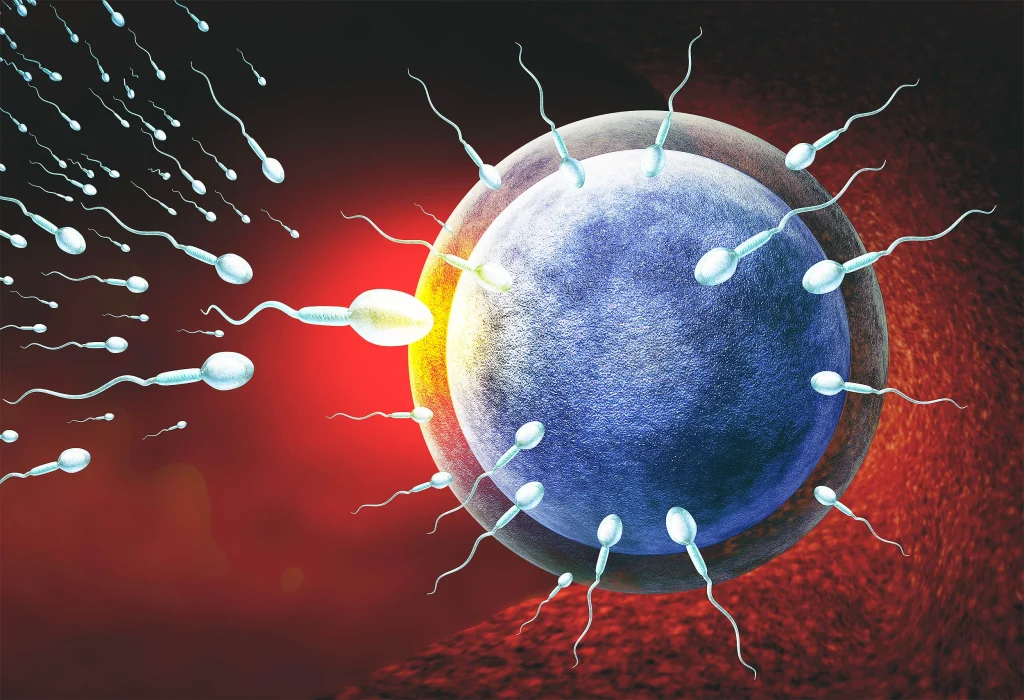
Sperm Health and Pregnancy: The Importance of Proper Nutrition for Male Fertility
3. Omega-3 Fatty Acids
Omega-3 fatty acids are essential for sperm health and can improve sperm count, motility, and morphology. These healthy fats are found in fish such as salmon, sardines, and tuna, as well as in flaxseeds, chia seeds, and walnuts.
4. Vitamin C
Vitamin C is a powerful antioxidant that helps protect sperm from damage and improves sperm quality. It also aids in the production of collagen, which is important for healthy sperm development. Citrus fruits, berries, bell peppers, and broccoli are excellent sources of vitamin C.
5. Vitamin D
Vitamin D deficiency has been linked to low sperm count and poor sperm motility. This nutrient is essential for the development and maturation of sperm. Sunlight is the best source of vitamin D, but it can also be found in fatty fish, egg yolks, and fortified dairy products.
The Negative Impact of Unhealthy Habits on Sperm Health
In addition to proper nutrition, certain lifestyle habits can also have a negative impact on sperm health. Smoking, excessive alcohol consumption, and drug use can all affect sperm quality and quantity. These habits can lead to DNA damage and decrease sperm motility, making it difficult to conceive. Engaging in regular exercise and maintaining a healthy weight can also play a significant role in male fertility.
The Importance of Preconception Nutrition for Male Fertility
Proper nutrition is not only essential for sperm health but also for preparing the body for pregnancy. The three months leading up to conception are crucial for the development of sperm, and proper nutrition during this time can improve sperm quality and increase the chances of pregnancy. It is also important for the male partner to continue to maintain a healthy diet throughout the pregnancy to support the growth and development of the baby.
In Summary
When it comes to fertility and pregnancy, proper nutrition for the male partner is just as important as it is for the female partner. A well-balanced diet rich in key nutrients such as zinc, folate, omega-3 fatty acids, vitamin C, and vitamin D can improve sperm health and increase the chances of conceiving. On the other hand, unhealthy habits and a poor diet can have a negative impact on sperm health and make it difficult to achieve a successful pregnancy. By prioritizing proper nutrition, men can play an active role in supporting their partner’s fertility journey and the health of their future child.