Blog Post:
Stress is a common and often unavoidable part of our daily lives. From work deadlines to personal relationships, stress can stem from various sources and have a significant impact on our physical and mental well-being. However, what many people may not realize is that stress can also affect sperm health and toxin accumulation in the body.
Sperm health is crucial for reproduction and the overall health of future generations. Therefore, understanding the effects of stress on sperm health and toxin accumulation is essential for both men and women. In this blog post, we will delve into the surprising effects of stress on sperm health and the risks of toxin accumulation in the body.
The Link Between Stress and Sperm Health
Stress can impact sperm health in multiple ways. One of the most significant effects of stress is on the production of testosterone, a hormone that plays a vital role in sperm production. When the body is under stress, it releases a hormone called cortisol, which can suppress the production of testosterone. As a result, sperm production may decrease, leading to a lower sperm count and poor sperm quality.
Moreover, stress can also affect the mobility of sperm. Studies have shown that men who experience chronic stress have lower sperm motility, meaning their sperm cannot swim as effectively as those who are not under stress. This can significantly impact the chances of fertilization and lead to infertility.
Furthermore, stress can also affect the structure of sperm. Research has found that men who are under significant stress have a higher percentage of abnormal sperm, which can increase the risk of genetic defects in their offspring. These defects can range from physical abnormalities to developmental disorders.
The Impact of Stress on Toxin Accumulation
Toxins are harmful substances that can enter our bodies through various means, such as food, water, and air. They can also be produced within the body due to stress. When the body is under stress, it produces an excess amount of free radicals, which can damage cells and tissues. These free radicals can also lead to the accumulation of toxins in the body.
Moreover, stress can also impact the body’s ability to eliminate toxins effectively. When we are under stress, our liver, which is responsible for filtering and detoxifying our blood, may not function optimally. As a result, toxins can build up in the body, leading to various health problems.
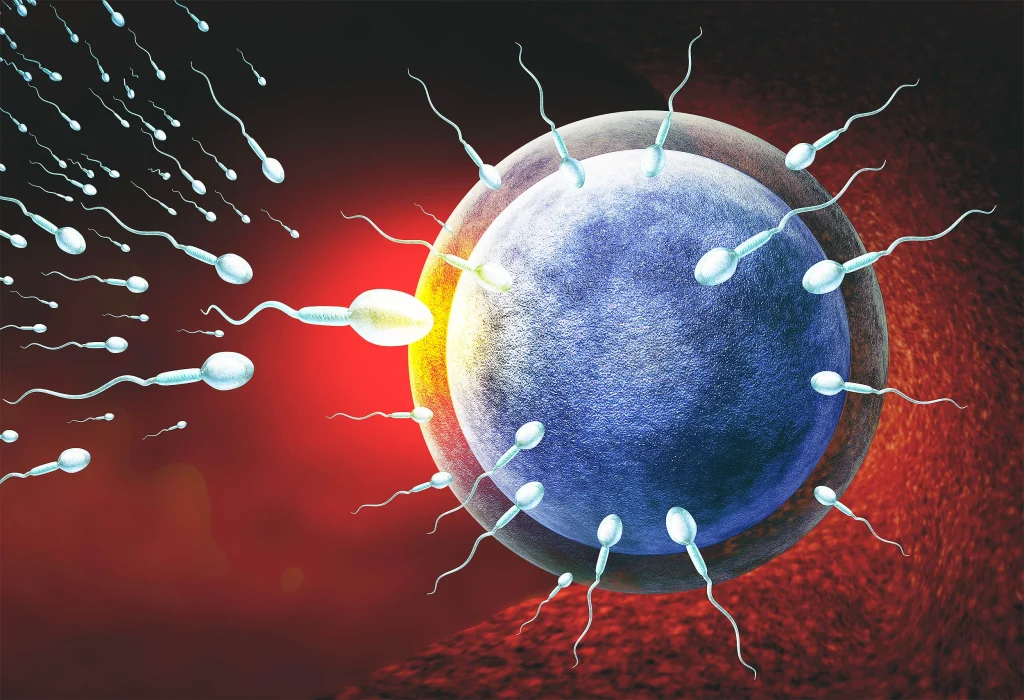
The Surprising Effects of Stress on Sperm Health and Toxin Accumulation
The Surprising Effects of Toxin Accumulation on Sperm Health
Toxin accumulation in the body can have a significant impact on sperm health. Studies have found that exposure to toxins can lead to lower sperm count, poor sperm motility, and abnormal sperm morphology. Toxins can also affect the DNA of sperm, leading to genetic defects in offspring.
Moreover, toxins can also cause oxidative stress in the body, which can damage sperm cells and impact their ability to fertilize an egg. This can increase the risk of infertility and miscarriages.
The Role of Lifestyle in Managing Stress and Toxin Accumulation
While stress and toxin accumulation can have adverse effects on sperm health, there are steps that men can take to reduce their impact. One of the most crucial factors is lifestyle. Making healthy lifestyle choices, such as eating a balanced diet, getting enough sleep, and exercising regularly, can help manage stress and reduce toxin accumulation in the body.
Additionally, avoiding or limiting exposure to known toxins, such as alcohol, tobacco, and certain chemicals, can also help improve sperm health and reduce the risk of toxin accumulation. It is also essential to manage stress through relaxation techniques, such as meditation, yoga, and deep breathing exercises.
Seeking Help
If you are struggling with stress or have concerns about toxin accumulation and its effects on your sperm health, it is essential to seek help from a healthcare professional. They can provide guidance on managing stress and making lifestyle changes that can improve sperm health and reduce the risk of toxin accumulation.
In conclusion, stress can have surprising effects on sperm health and can also contribute to toxin accumulation in the body. It is crucial to be aware of these impacts and take steps to manage stress and reduce exposure to toxins. By making healthy lifestyle choices and seeking help when needed, men can improve their sperm health and contribute to a healthier future generation.
Summary:
Stress can have unexpected effects on sperm health by impacting testosterone production, sperm mobility, and sperm structure. It can also contribute to toxin accumulation in the body, which can further affect sperm health. Toxins can lead to lower sperm count, poor motility, and DNA damage, increasing the risk of infertility. Making healthy lifestyle choices and seeking help from a healthcare professional can help manage stress and reduce toxin accumulation, ultimately improving sperm health.