Blog Post:
Sperm Health and Smoking: How to Reverse the Damage
Smoking has long been known to be detrimental to overall health, but it also has a significant impact on sperm health. Male fertility is a complex process that relies on the production and quality of sperm, and smoking can have damaging effects on both. According to the American Society for Reproductive Medicine, smoking is associated with reduced sperm count, motility, and morphology (shape and size), all of which can lead to infertility. In this blog post, we will discuss the effects of smoking on sperm health and provide tips on how to reverse the damage.
The Effects of Smoking on Sperm Health
1. Reduced Sperm Count
Sperm count refers to the number of sperm cells present in a semen sample. Studies have shown that smoking can significantly lower sperm count, making it more difficult for couples to conceive. In fact, men who smoke have been found to have up to 30% lower sperm counts than non-smokers. This decrease in sperm count can be attributed to the toxins in cigarettes, such as nicotine and carbon monoxide, which can damage the cells responsible for sperm production.
2. Decreased Sperm Motility
Sperm motility refers to the ability of sperm to swim and move towards the egg for fertilization. Smoking has been linked to reduced sperm motility, making it harder for sperm to reach the egg and fertilize it. This is due to the fact that smoking can affect the cilia (hair-like structures) in the male reproductive system, which are responsible for moving sperm towards the egg. When these cilia are damaged, sperm may become immobile or unable to reach the egg.
3. Altered Sperm Morphology
The shape and size of sperm, also known as morphology, play a crucial role in fertility. Sperm with abnormal morphology may have difficulty penetrating the egg, leading to infertility. Studies have shown that smoking can cause changes in sperm morphology, such as abnormalities in the head, tail, and midpiece. These changes can make it harder for sperm to fertilize an egg, decreasing the chances of conception.
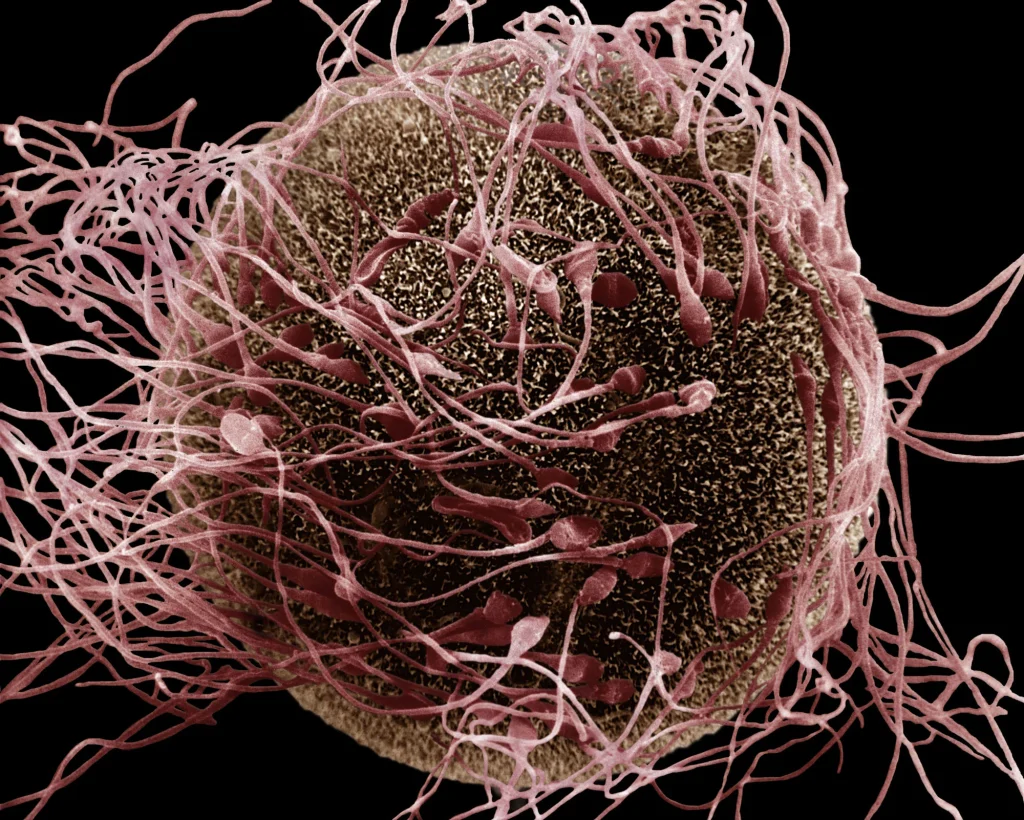
Sperm Health and Smoking: How to Reverse the Damage
How to Reverse the Damage
1. Quit Smoking
The most effective way to reverse the damage caused by smoking on sperm health is to quit smoking altogether. When a person quits smoking, the body begins to repair the damage caused by the toxins in cigarettes. This includes the cells responsible for sperm production, which can start to function normally again. It is important to note that quitting smoking may not lead to an immediate improvement in sperm health, as it can take several months for sperm to fully develop and mature.
2. Lead a Healthy Lifestyle
In addition to quitting smoking, leading a healthy lifestyle can also help improve sperm health. This includes exercising regularly, maintaining a healthy weight, and eating a balanced diet. Studies have shown that men who exercise regularly have higher sperm counts and better sperm motility than those who are sedentary. A healthy diet that is rich in fruits, vegetables, and whole grains can also provide the necessary vitamins and minerals to support sperm health.
3. Take Supplements
Certain supplements have been found to improve sperm health in men who smoke. These include antioxidants such as vitamins C and E, which can help protect sperm from oxidative damage caused by smoking. Coenzyme Q10 has also been shown to improve sperm motility and morphology in smokers. However, it is important to consult with a healthcare professional before taking any supplements, as they may interact with medications or have side effects.
4. Consider Assisted Reproductive Techniques
In some cases, couples may need to turn to assisted reproductive techniques, such as in vitro fertilization (IVF), to conceive. These techniques involve collecting sperm and eggs and fertilizing them in a laboratory before transferring the fertilized egg to the woman’s uterus. While these techniques do not directly address the damage caused by smoking on sperm health, they can still help couples achieve pregnancy.
Summary:
Smoking has a significant impact on sperm health, leading to reduced sperm count, decreased motility, and altered morphology. Quitting smoking and leading a healthy lifestyle can help reverse the damage, as well as taking supplements and considering assisted reproductive techniques. It is important for men who smoke to prioritize their reproductive health and take steps to improve their sperm health if they plan to conceive with their partner.