Blog Post:
The modern world is filled with stressors, from busy work schedules to financial concerns to societal pressures. As a result, many people are finding themselves constantly stressed and struggling to maintain their mental and physical health. One area that is often overlooked when it comes to combating stress and improving overall health is exercise. In fact, regular physical activity has been shown to have numerous benefits, from reducing stress and anxiety to boosting immune function and improving cardiovascular health. But did you know that exercise can also play a crucial role in improving sperm health?
In this blog post, we will explore the link between exercise and stress, as well as how physical activity can impact sperm health. We will also discuss the best types of exercise for reducing stress and improving sperm quality and provide some tips for incorporating exercise into your daily routine. So let’s dive in and discover the power of exercise in combating stress and improving sperm health.
The Link Between Exercise and Stress
Stress is a natural response to challenging or threatening situations. In small doses, it can actually be beneficial, motivating us to take action and perform at our best. However, when stress becomes chronic, it can have a negative impact on both our physical and mental well-being. Chronic stress has been linked to a range of health issues, including high blood pressure, heart disease, depression, and anxiety.
Exercise has long been recognized as an effective way to reduce stress and improve overall mood. When we exercise, our bodies release endorphins, also known as “feel-good” hormones. These endorphins act as natural painkillers and can also boost our mood, providing a sense of relaxation and well-being. Regular exercise has also been shown to reduce the levels of stress hormones in the body, such as cortisol, which can contribute to chronic stress.
Additionally, exercise can help to distract the mind from stressors, as well as provide a healthy outlet for releasing tension and pent-up emotions. This can lead to improved mental clarity and a sense of calm, making it easier to manage stress in daily life.
Exercise and Sperm Health
In recent years, there has been a growing interest in the impact of exercise on male fertility. Studies have shown that men who engage in regular physical activity have better sperm quality than those who lead sedentary lifestyles. This is due to several factors, including improved blood flow and hormonal balance, which can have a positive effect on sperm production and motility.
One study conducted by researchers at Harvard University found that men who engaged in moderate to vigorous physical activity for at least 15 hours per week had a 73% higher sperm count than those who exercised for less than five hours per week. Another study showed that men who participated in high-intensity interval training (HIIT) had a significant increase in sperm quality compared to those who did not engage in any form of physical activity.
The Best Types of Exercise for Stress and Sperm Health
While any form of physical activity can have a positive impact on stress and sperm health, some types of exercise may be more beneficial than others. Here are some of the best types of exercise for reducing stress and improving sperm quality:
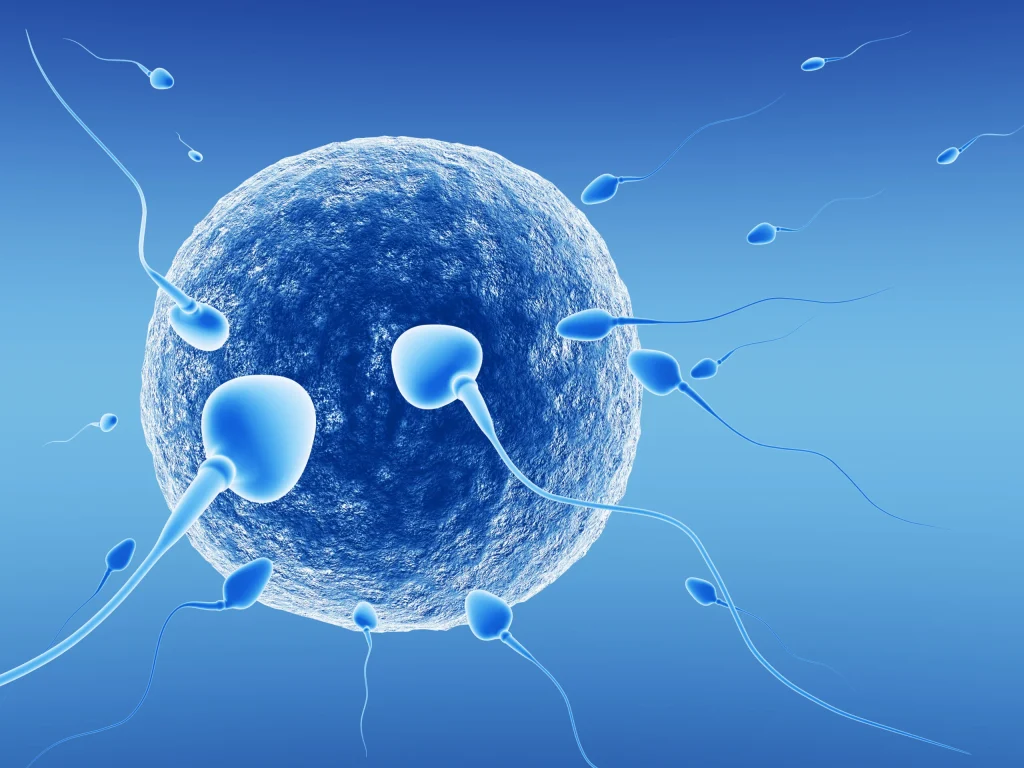
The Role of Exercise in Combating Stress and Improving Sperm Health
1. Cardiovascular Exercise: Activities such as running, cycling, and swimming are great for improving cardiovascular health and reducing stress. They also help to increase blood flow and oxygenation, which can have a positive effect on sperm production and motility.
2. Resistance Training: Strength training exercises, such as weightlifting, have been shown to have a positive impact on testosterone levels, which can improve sperm quality. Resistance training also helps to build muscle mass and increase metabolism, leading to better overall health.
3. Yoga and Mindful Movement: Activities such as yoga, Pilates, and tai chi combine physical movement with mindfulness and deep breathing, making them great for reducing stress and promoting relaxation. These forms of exercise can also improve flexibility and balance, which can help prevent injuries during other types of physical activity.
Tips for Incorporating Exercise into Your Daily Routine
Now that we understand the benefits of exercise for stress and sperm health, it’s time to discuss how to incorporate it into our daily routines. Here are some tips to help you get started:
1. Start Small: If you are new to exercise, start with small, achievable goals and build up gradually. This will help prevent injury and make it easier to stick to your routine.
2. Find Something You Enjoy: The key to making exercise a regular part of your life is to find an activity that you enjoy. This could be anything from dancing to hiking to playing a sport. Experiment with different forms of exercise until you find something that you look forward to doing.
3. Make Time for It: With busy schedules, it can be challenging to find time for exercise. However, it’s crucial to prioritize it just as you would any other important task. Set aside specific times in your day to dedicate to physical activity, and stick to them.
4. Mix It Up: Doing the same type of exercise can become monotonous and may also lead to overuse injuries. Mix up your routine by trying different activities, which can also help to target different muscle groups and prevent boredom.
5. Stay Consistent: Consistency is key when it comes to seeing the benefits of exercise. Aim for at least 30 minutes of moderate to vigorous physical activity most days of the week.
Summary:
In summary, exercise plays a crucial role in combating stress and improving sperm health. Regular physical activity can help to reduce stress levels, boost mood, and improve overall well-being. It can also have a significant impact on sperm quality, increasing sperm count and motility. The best types of exercise for stress and sperm health include cardiovascular exercise, resistance training, and mindful movement activities. By incorporating exercise into your daily routine and staying consistent, you can reap the numerous benefits it offers for both your mental and physical health.