Sperm health is a crucial aspect of male reproductive function and is essential for successful conception. While there are various factors that can affect sperm health, such as genetics and lifestyle choices, one lifestyle that has been shown to have a positive impact on sperm health is the Mediterranean lifestyle.
The Mediterranean lifestyle, also known as the Mediterranean diet, is a way of eating that is based on the traditional dietary patterns of countries bordering the Mediterranean Sea. It is characterized by a high consumption of fruits, vegetables, whole grains, legumes, and healthy fats, with moderate amounts of fish, poultry, and dairy, and limited intake of red meat and processed foods. However, beyond just diet, the Mediterranean lifestyle also includes other lifestyle factors that can contribute to overall health, including physical activity, stress management, and social support.
In recent years, there has been increasing research on the potential benefits of the Mediterranean lifestyle for sperm health. Let’s dive deeper into the topic and explore the various ways in which the Mediterranean lifestyle can positively impact sperm health, beyond just diet.
1. Improved Nutrient Intake
The Mediterranean diet is rich in essential nutrients such as antioxidants, vitamins, and minerals, which are crucial for sperm health. Antioxidants, in particular, play a vital role in protecting sperm from oxidative damage, which can lead to decreased sperm motility and DNA damage. The high consumption of fruits and vegetables in the Mediterranean diet provides a significant source of antioxidants, such as vitamin C, vitamin E, and beta-carotene.
Furthermore, the Mediterranean diet also includes healthy fats, such as olive oil and nuts, which are sources of omega-3 fatty acids. These fatty acids have been linked to improved sperm quality and motility. A study published in the journal Andrology found that men who followed a Mediterranean diet had higher levels of omega-3 fatty acids in their sperm, which was associated with better sperm quality.
2. Lower Inflammation
Inflammation can have a negative impact on sperm health, leading to decreased sperm production and quality. The Mediterranean diet has been shown to have anti-inflammatory effects, mainly due to its high consumption of fruits, vegetables, and healthy fats. These foods are rich in phytochemicals, which have anti-inflammatory properties and can help reduce inflammation in the body.
Moreover, the Mediterranean diet also limits the intake of processed and high-fat foods, which are known to promote inflammation. By reducing inflammation in the body, the Mediterranean lifestyle can potentially improve sperm health and increase fertility.
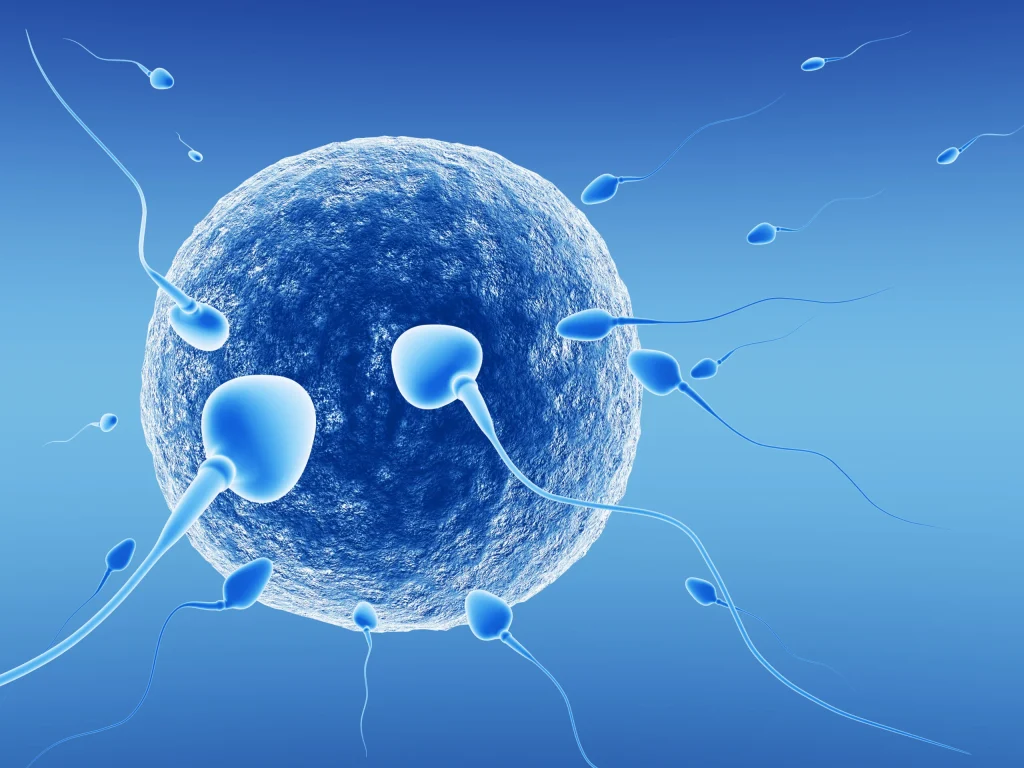
Sperm Health and the Mediterranean Lifestyle: Beyond Just Diet
3. Weight Management
Obesity has been linked to decreased sperm quality and fertility in men. The Mediterranean diet, which is rich in whole foods and limits the intake of processed and high-fat foods, can aid in weight management. A study published in the journal Fertility and Sterility found that men on a Mediterranean diet had a lower body mass index (BMI), waist circumference, and body fat percentage compared to those on a Western diet.
In addition to weight management, the Mediterranean lifestyle also promotes physical activity, which is essential for maintaining a healthy weight and overall well-being. Regular exercise has been linked to improved sperm quality and fertility in men.
4. Stress Management
It’s no secret that stress can have a negative impact on overall health, including sperm health. The Mediterranean lifestyle promotes stress management through its emphasis on social support, relaxation techniques, and leisure activities. These practices can help reduce stress and promote a more balanced and positive outlook on life.
A study published in the journal Reproductive Biology and Endocrinology found that men who followed a Mediterranean diet had lower levels of oxidative stress and cortisol, a hormone associated with stress, compared to those on a Western diet. By managing stress levels, the Mediterranean lifestyle can potentially improve sperm health and fertility.
5. Social Support
The Mediterranean lifestyle places a strong emphasis on social support and community, which has been shown to have a positive impact on overall health and well-being. In terms of sperm health, social support can help reduce stress levels, promote healthy behaviors, and create a supportive environment for couples trying to conceive.
Moreover, the Mediterranean lifestyle encourages family meals, which can provide a sense of connection and shared experiences. A study published in the Journal of Human Nutrition and Dietetics found that men who regularly ate meals with their families had better sperm quality and motility.
In summary, the Mediterranean lifestyle goes beyond just diet and includes various factors that can contribute to overall health and well-being, including sperm health. By following a Mediterranean diet and incorporating other lifestyle practices such as stress management, physical activity, and social support, men can potentially improve their sperm health and increase their chances of successful conception.
In conclusion, research has shown that the Mediterranean lifestyle has a positive impact on sperm health. Its emphasis on nutrient-rich whole foods, stress management, physical activity, and social support can potentially improve sperm quality and increase fertility. So, if you and your partner are considering starting a family, incorporating the Mediterranean lifestyle into your daily routine may be a beneficial step to take.