Blog Post Title: The Impact of Environmental Toxins on Sperm Health: How Pollution and Chemical Exposure Affect Male Fertility
Sperm health is a crucial factor in male fertility and the ability to conceive a child. However, in recent years, there has been a concerning decline in sperm quality and quantity among men worldwide. While there are many factors that can contribute to this decline, one significant culprit is environmental toxins. Our modern world is filled with various pollutants and chemicals that can have a severe impact on sperm health. In this blog post, we will explore the effects of environmental toxins on sperm health and discuss ways to minimize exposure for better reproductive outcomes.
Environmental toxins are substances found in our environment that can be harmful to living organisms. They can enter our bodies through various routes, including ingestion, inhalation, and absorption through the skin. These toxins can come from different sources, such as air pollution, water contamination, and exposure to chemicals in our everyday products. Unfortunately, these toxins can have a detrimental effect on sperm health, leading to a decline in male fertility.
One of the most significant impacts of environmental toxins on sperm health is the disruption of hormone levels. Hormones play a crucial role in sperm production and maturation, and any interference can result in decreased sperm quality and quantity. For example, exposure to pesticides, such as DDT, has been linked to lower testosterone levels and reduced sperm quality in men. Similarly, exposure to phthalates, found in plastic products, can disrupt hormone levels and potentially lead to decreased sperm count and motility.
Moreover, environmental toxins can also damage sperm DNA. Sperm carry the genetic material needed for fertilization, and any damage to their DNA can lead to infertility or even birth defects in offspring. Exposure to air pollutants, such as polycyclic aromatic hydrocarbons (PAHs), has been linked to DNA damage in sperm. Studies have also shown that exposure to heavy metals like lead, mercury, and cadmium can cause DNA fragmentation in sperm, leading to lower fertility rates.
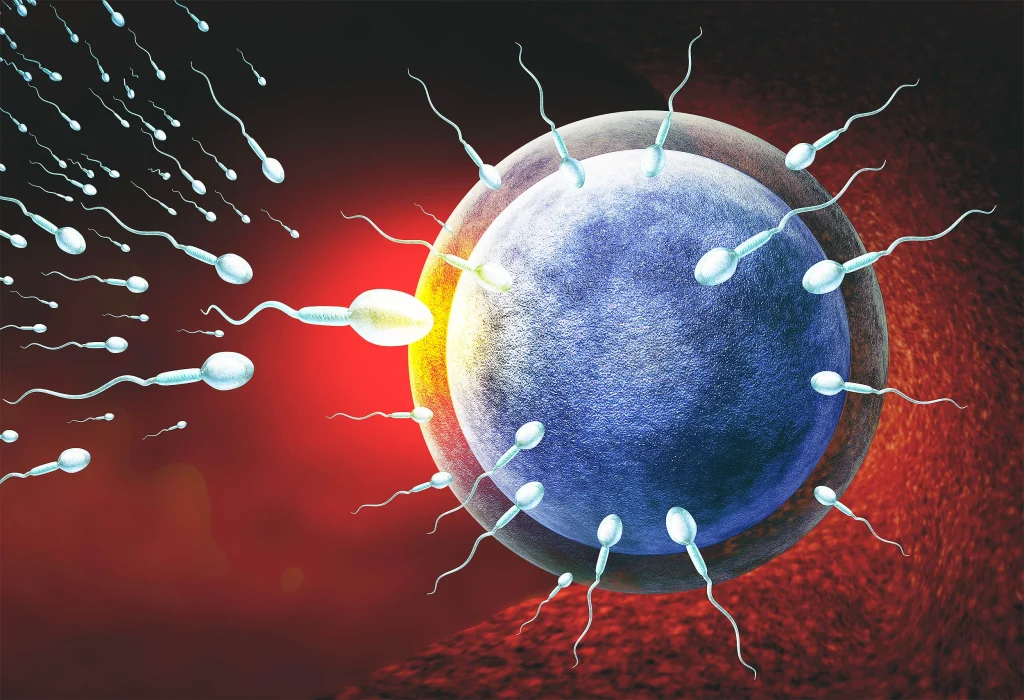
The Impact of Environmental Toxins on Sperm Health
Another concerning effect of environmental toxins on sperm health is their impact on sperm motility. Sperm need to be able to swim and navigate the female reproductive tract to fertilize an egg successfully. However, exposure to toxins like PCBs (polychlorinated biphenyls) and dioxins can impair sperm motility, making it more challenging for them to reach and fertilize an egg. This can significantly decrease a couple’s chances of conception and lead to fertility issues.
Aside from affecting sperm health directly, environmental toxins can also have indirect impacts on male fertility. For example, toxins like BPA (bisphenol-A), commonly found in plastic products, can mimic estrogen in the body. This can lead to an imbalance of hormones and potentially decrease sperm quality and quantity. Additionally, exposure to toxins has been linked to erectile dysfunction, which can also affect fertility outcomes.
So what can we do to protect sperm health from the detrimental effects of environmental toxins? The first step is to identify and avoid potential sources of exposure. This can include using natural and organic products, avoiding processed and packaged foods, and choosing organic produce whenever possible. It is also essential to limit exposure to air pollutants by avoiding areas with heavy traffic or industrial facilities. Additionally, it is crucial to properly dispose of household chemicals and limit the use of pesticides and herbicides.
Another way to minimize the impact of environmental toxins on sperm health is through a healthy lifestyle. Regular exercise, a balanced diet, and avoiding smoking and excessive alcohol consumption can help reduce the harmful effects of toxins on the body. These healthy habits can also improve overall fertility outcomes.
In conclusion, environmental toxins have a significant impact on sperm health and male fertility. The exposure to these harmful substances can disrupt hormone levels, damage sperm DNA, and impair sperm motility, leading to fertility issues. It is crucial to identify and avoid potential sources of exposure and maintain a healthy lifestyle to protect sperm health and improve fertility outcomes. By taking these steps, we can minimize the impact of environmental toxins and ensure a healthier future for ourselves and our offspring.
SEO Metadata: