Blog Post: A Nutritional Guide to Improving Sperm Count and Motility
When it comes to fertility, both men and women play a crucial role. While many couples may think that infertility is a female issue, studies have shown that 1 in 3 cases of infertility are due to male factors. One of the most important aspects of male fertility is the quality and quantity of sperm. Low sperm count and poor sperm motility can greatly impact a couple’s chances of conceiving. Fortunately, there are steps that men can take to improve their sperm count and motility, and it all starts with proper nutrition.
In this blog post, we will discuss the key nutrients and foods that can help improve sperm count and motility.
1. Essential Nutrients for Sperm Health
To produce healthy sperm, the body needs an adequate supply of certain essential nutrients. These include:
– Zinc: Zinc is a crucial mineral for male fertility as it plays a key role in sperm production and quality. It also helps to maintain normal testosterone levels, which is important for sexual function and sperm health.
– Vitamin C: Vitamin C is a powerful antioxidant that helps combat oxidative stress and protects sperm from damage. It also helps to increase sperm motility.
– Vitamin D: Low levels of vitamin D have been linked to poor semen quality. Studies have shown that supplementing with vitamin D can improve sperm count and motility.
– Omega-3 Fatty Acids: Omega-3 fatty acids are essential for sperm health as they help to improve sperm count, motility, and morphology.
– Folic Acid: Folic acid is crucial for the development of healthy sperm and DNA. It has also been linked to improved sperm motility.
2. Foods to Boost Sperm Count and Motility
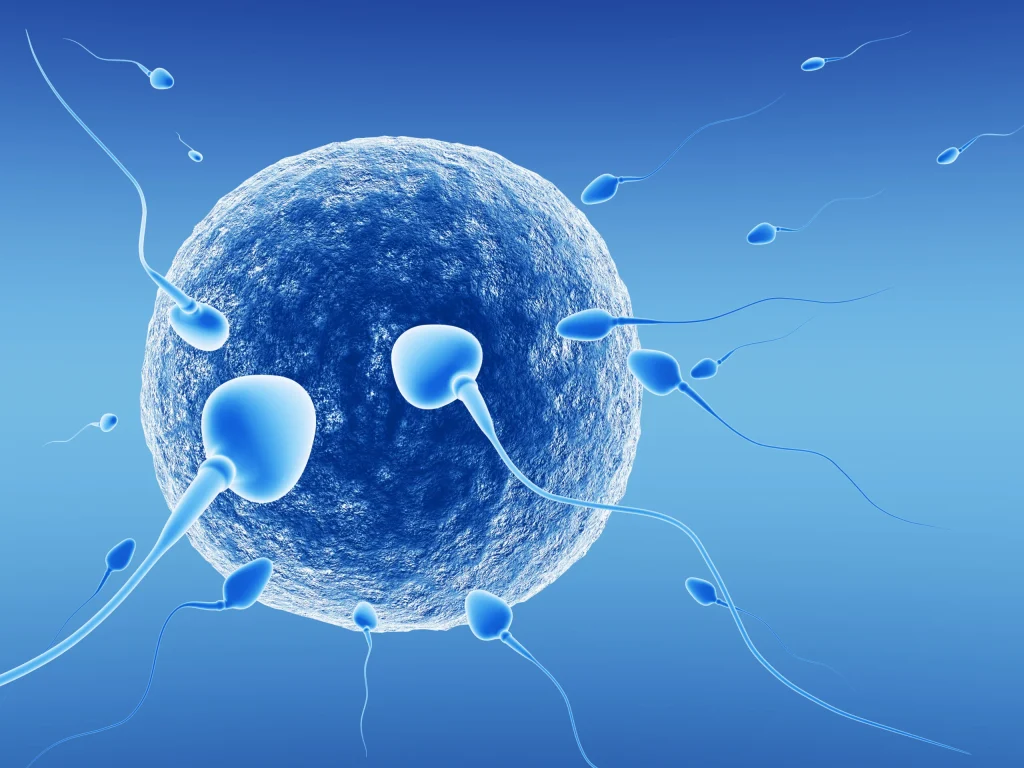
A Nutritional Guide to Improving Sperm Count and Motility
Now that we know which nutrients are essential for sperm health, let’s take a look at the foods that are rich in these nutrients.
– Oysters: Oysters are a great source of zinc, which is essential for sperm production and quality. They also contain high levels of vitamin B12, which has been linked to improved sperm count.
– Citrus Fruits: Citrus fruits like oranges, grapefruits, and lemons are rich in vitamin C, which helps to protect sperm from damage and improve motility.
– Fatty Fish: Fatty fish like salmon, tuna, and sardines are rich in omega-3 fatty acids, which are essential for sperm health.
– Eggs: Eggs are a great source of vitamin D, which has been linked to improved sperm quality. They are also rich in folic acid, which is crucial for healthy sperm development.
– Leafy Greens: Leafy greens like spinach, kale, and broccoli are rich in folic acid and antioxidants, which help to protect sperm from damage.
– Nuts and Seeds: Nuts and seeds like almonds, walnuts, and pumpkin seeds are rich in zinc and omega-3 fatty acids, which are essential for sperm health.
– Avocado: Avocados are a great source of vitamin E, which has been linked to improved sperm motility.
– Lean Meats: Lean meats like chicken and turkey are good sources of zinc and vitamin B12, both of which are important for sperm production and quality.
3. Other Tips for Improving Sperm Health
In addition to consuming a healthy and balanced diet, there are other lifestyle changes that men can make to improve their sperm count and motility.
– Avoid Excessive Alcohol Consumption: Excessive alcohol consumption has been linked to poor sperm quality and should be avoided.
– Quit Smoking: Smoking has been linked to reduced sperm count and motility. Quitting smoking can greatly improve sperm health.
– Maintain a Healthy Weight: Being overweight or underweight can affect hormone levels and sperm production. Maintaining a healthy weight can help improve sperm health.
– Reduce Stress: Chronic stress can affect hormone levels and sperm production. Finding ways to manage stress, such as exercise or meditation, can help improve sperm health.
– Get Enough Sleep: Lack of sleep can also affect hormone levels and sperm production. Aim for 7-9 hours of quality sleep each night to improve sperm health.
In conclusion, proper nutrition is crucial for improving sperm count and motility. By incorporating the essential nutrients and foods mentioned in this blog post into your diet and making healthy lifestyle changes, you can greatly improve your chances of conceiving. If you are struggling with fertility, it is always best to consult with a healthcare professional for personalized advice.
Summary:
Male fertility is just as important as female fertility and poor sperm count and motility can greatly impact a couple’s chances of conceiving. The key nutrients for sperm health include zinc, vitamin C, D, omega-3 fatty acids, and folic acid. Foods that are rich in these nutrients include oysters, citrus fruits, fatty fish, eggs, leafy greens, nuts and seeds, avocado, and lean meats. Other tips for improving sperm health include avoiding excessive alcohol consumption, quitting smoking, maintaining a healthy weight, reducing stress, and getting enough sleep.