Title: Eating for Fertility: A Nutritional Guide for Men on the Path to Parenthood
Summary:
When it comes to fertility, most of the focus is often on women. However, studies have shown that men’s diet and nutrition play a crucial role in their ability to conceive. In fact, male infertility accounts for almost 50% of all fertility issues. Therefore, it is important for men to pay attention to their diet and make necessary changes to increase their chances of becoming fathers. In this blog post, we will discuss the key nutrients and dietary guidelines that men should follow to improve their fertility and increase their chances of parenthood.
The Role of Nutrition in Male Fertility:
Nutrition has a significant impact on male fertility as it affects sperm quality, quantity, and motility. A balanced and healthy diet can help improve these factors, while a poor diet can lead to hormonal imbalances, low sperm count, and other fertility issues. Therefore, it is essential for men to pay attention to their nutrition and make necessary changes to boost their fertility.
Key Nutrients for Male Fertility:
1. Antioxidants:
Antioxidants are crucial for protecting sperm from damage caused by free radicals. They can improve sperm quality and motility, and also reduce the risk of DNA damage. Vitamin C, Vitamin E, Zinc, and Selenium are some of the important antioxidants that men should include in their diet.
2. Omega-3 Fatty Acids:
Omega-3 fatty acids are essential for sperm production and motility. They also have anti-inflammatory properties that can help improve sperm quality. Foods rich in omega-3 fatty acids include oily fish, flaxseeds, chia seeds, and walnuts.
3. Vitamin D:
Vitamin D deficiency has been linked to male infertility. It plays a vital role in sperm health and testosterone production. Some sources of Vitamin D include sunlight, fatty fish, egg yolks, and fortified dairy products.
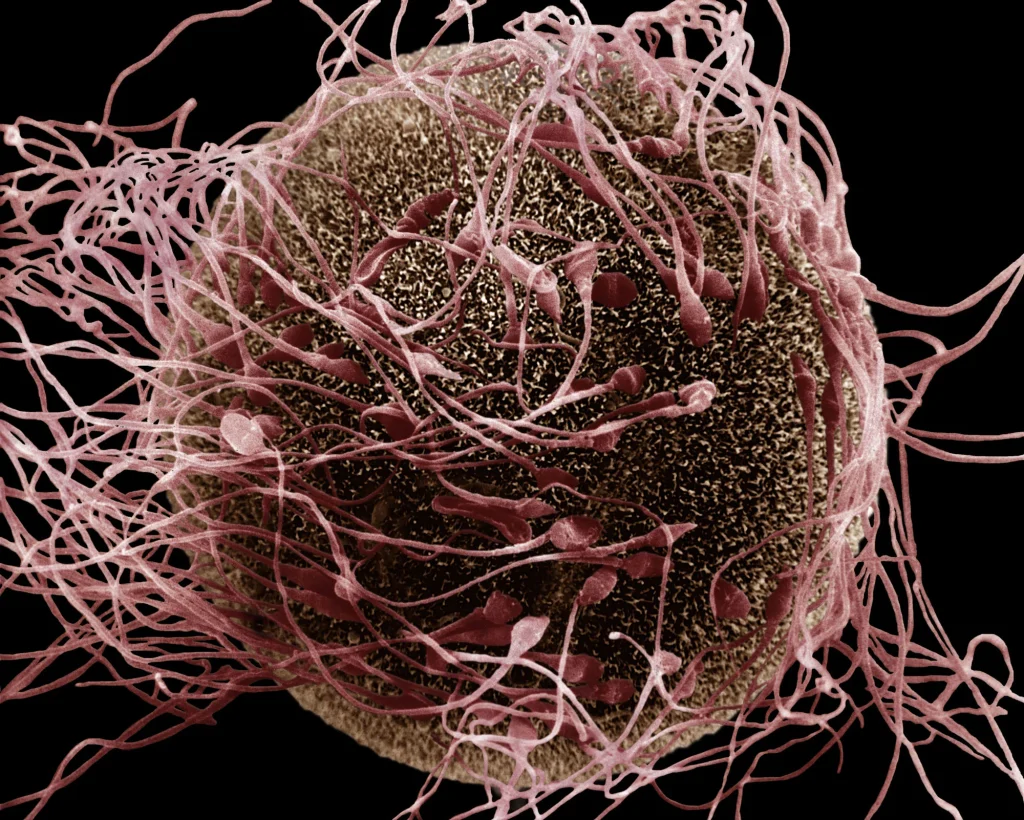
Eating for Fertility: A Nutritional Guide for Men on the Path to Parenthood
4. B Vitamins:
B vitamins, particularly folate, B12, and B6, are crucial for sperm production and DNA synthesis. These vitamins can be found in green leafy vegetables, legumes, nuts, and whole grains.
5. Iron:
Iron deficiency can lead to low sperm count and poor sperm motility. Men should include iron-rich foods like lean meats, seafood, beans, and dark leafy greens in their diet.
Dietary Guidelines for Male Fertility:
1. Eat a Balanced Diet:
A balanced diet that includes a variety of fruits, vegetables, whole grains, lean proteins, and healthy fats is essential for overall health and fertility. Men should limit their intake of processed foods, sugary drinks, and red meat as they can negatively impact fertility.
2. Avoid Excessive Alcohol Consumption:
Excessive alcohol consumption has been linked to decreased sperm quality and testosterone levels. Men should limit their alcohol intake and avoid binge drinking to improve their fertility.
3. Quit Smoking:
Smoking not only affects overall health but also has a negative impact on sperm quality and quantity. Men trying to conceive should quit smoking to increase their chances of becoming fathers.
4. Maintain a Healthy Weight:
Obesity and being underweight can both affect male fertility. Men should aim to maintain a healthy weight by following a balanced diet and regular exercise.
5. Stay Hydrated:
Dehydration can lead to a decrease in semen volume, which can affect fertility. Men should ensure they drink enough water to stay hydrated and maintain healthy sperm production.
In conclusion, the saying “you are what you eat” holds true when it comes to male fertility. A balanced and healthy diet, along with a healthy lifestyle, can significantly improve a man’s chances of becoming a father. By following the key nutrients and dietary guidelines mentioned above, men can take active steps towards improving their fertility and achieving their dream of parenthood.