Blog Post: Sowing the Seeds of Fertility: A Nutritional Guide for Men
Infertility is a growing concern for many couples, and while it is often attributed to issues with women, it is important to recognize that men also play a crucial role in fertility. In fact, male infertility is the cause of about 30% of all infertility cases. While there are various factors that can contribute to male infertility, one often overlooked aspect is nutrition.
Just like women, men need to pay attention to their diet and overall health when it comes to fertility. In this blog post, we will discuss the importance of proper nutrition for male fertility and provide a comprehensive guide on the nutrients and foods that can help men improve their chances of conceiving.
The Role of Nutrition in Male Fertility
The food we eat has a significant impact on our overall health, and it is no different when it comes to fertility. In fact, studies have shown that certain nutrients can affect sperm quality and quantity, as well as overall reproductive health in men.
One of the key factors in male fertility is sperm count, which refers to the number of sperm present in a semen sample. A low sperm count can significantly decrease the chances of conception. Studies have found that men who follow a nutrient-rich diet have higher sperm counts and better sperm quality compared to those with poor dietary habits.
Furthermore, nutrition plays a critical role in sperm morphology, which refers to the size and shape of sperm. Abnormal sperm morphology can also reduce fertility, as it can affect sperm motility (ability to move and fertilize an egg). A healthy, well-balanced diet can help improve sperm morphology and increase the chances of conception.
Essential Nutrients for Male Fertility
Now that we understand the importance of nutrition in male fertility, let’s dive into the specific nutrients that men should focus on to improve their reproductive health.
1. Zinc
Zinc is an essential mineral for male fertility. It plays a crucial role in sperm production and is required for the proper functioning of the male reproductive system. Studies have shown that low levels of zinc in men can lead to low sperm count and poor sperm quality. Foods rich in zinc include oysters, beef, chicken, pumpkin seeds, and cashews.
2. Vitamin C
Vitamin C is a powerful antioxidant that can help protect sperm from DNA damage. It also plays a crucial role in sperm production and motility. Studies have found that men with vitamin C deficiency have a higher risk of infertility. Citrus fruits, berries, kiwi, and bell peppers are excellent sources of vitamin C.
3. Vitamin D
Vitamin D is another crucial nutrient for male fertility. It helps regulate testosterone levels, which is essential for sperm production. A deficiency in vitamin D has been linked to low sperm count and poor sperm motility. Foods rich in vitamin D include fatty fish, egg yolks, and fortified dairy products.
4. Omega-3 Fatty Acids
Omega-3 fatty acids are essential for overall health and are also beneficial for male fertility. They help regulate hormones and improve sperm quality. Foods rich in omega-3 fatty acids include salmon, sardines, flaxseeds, and chia seeds.
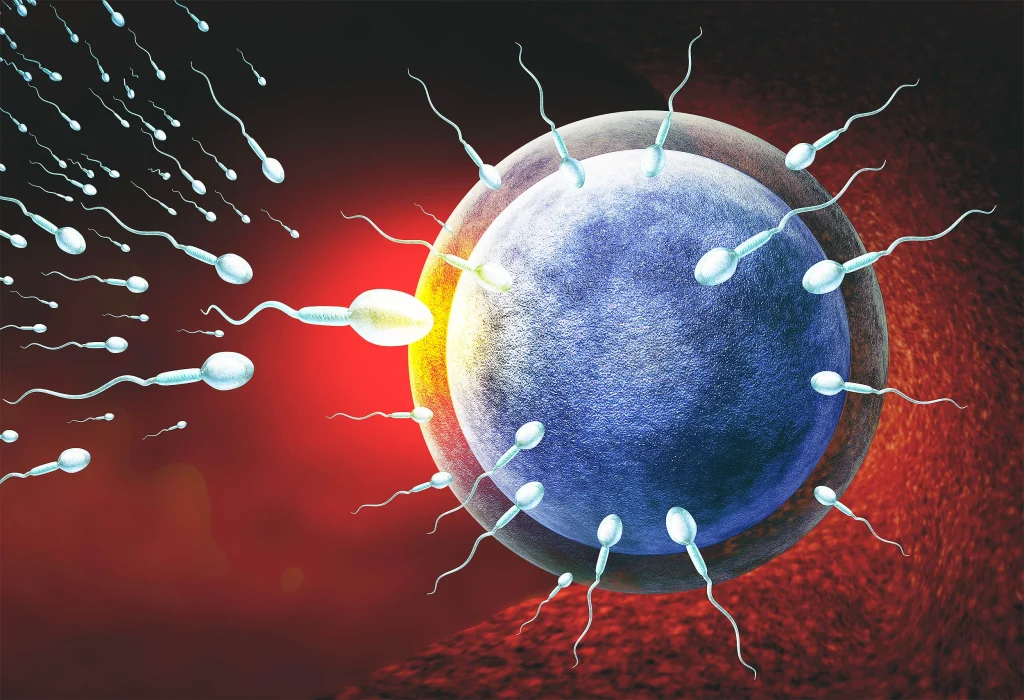
Sowing the Seeds of Fertility: A Nutritional Guide for Men
5. Lycopene
Lycopene is a powerful antioxidant that has been linked to improved sperm quality and motility. It is found in red fruits and vegetables such as tomatoes, watermelon, and red bell peppers.
6. Folate
Folate, also known as folic acid, is essential for both men and women when it comes to fertility. It helps with sperm development and has been linked to improved sperm quality. Foods rich in folate include leafy greens, beans, and fortified grains.
7. Selenium
Selenium is another mineral that is crucial for male fertility. It helps protect sperm from damage and is required for healthy sperm development. Brazil nuts, tuna, and beef are good sources of selenium.
In addition to these key nutrients, it is important for men to consume a well-balanced diet that includes a variety of fruits, vegetables, whole grains, and lean proteins. Avoiding processed and high-fat foods is also recommended for optimal fertility.
Lifestyle Factors for Male Fertility
In addition to proper nutrition, there are certain lifestyle factors that can have an impact on male fertility. These include:
1. Maintaining a healthy weight: Being overweight or underweight can affect hormone levels and sperm production.
2. Exercise: Regular physical activity can help improve overall health and fertility.
3. Avoiding excessive alcohol and tobacco use: Both alcohol and tobacco have been linked to decreased sperm quality and quantity.
4. Stress management: Chronic stress can affect hormone levels and sperm production. Finding healthy ways to manage stress, such as meditation or exercise, can be beneficial for fertility.
Conclusion
In conclusion, proper nutrition is crucial for male fertility. Consuming a well-balanced diet that includes key nutrients such as zinc, vitamin C, and omega-3 fatty acids can help improve sperm count, quality, and motility. Additionally, maintaining a healthy weight, regular exercise, and managing stress are important factors to consider for optimal fertility.
Remember, male fertility is not just a concern for couples trying to conceive but is also an indicator of overall health. By following a nutrient-rich diet and healthy lifestyle habits, men can sow the seeds of fertility and improve their chances of conceiving.
SEO Metadata: