Blog Post:
Sperm quality and male infertility are two closely related topics that have become increasingly prevalent in today’s society. With more and more couples struggling to conceive, it is important to understand the connection between sperm quality and male infertility. In this blog post, we will explore the factors that affect sperm quality, how it impacts male fertility, and what can be done to improve sperm quality and increase the chances of conception.
Sperm Quality: What is it and How is it Measured?
Sperm quality refers to the health and viability of a man’s sperm. It is measured by three main factors: sperm count, sperm motility, and sperm morphology. Sperm count refers to the number of sperm cells in a given sample, with a healthy count being at least 15 million per milliliter. Sperm motility refers to the sperm’s ability to move and swim, with at least 40% of the sperm being considered motile. Lastly, sperm morphology refers to the shape and size of the sperm, with a higher percentage of normal-shaped sperm being associated with better fertility.
Factors Affecting Sperm Quality:
There are several factors that can impact sperm quality. Some of the most common ones include:
1. Age: As men age, their sperm quality tends to decline. This is due to a decrease in testosterone levels and an increase in DNA damage in sperm cells.
2. Lifestyle Habits: Unhealthy lifestyle habits such as smoking, excessive alcohol consumption, and drug use can all negatively affect sperm quality. These habits can lead to oxidative stress, which damages sperm cells and impacts their overall quality.
3. Diet and Nutrition: A diet lacking in essential nutrients, such as zinc and folate, can also impact sperm quality. These nutrients are crucial for sperm production and motility.
4. Environmental Factors: Exposure to certain chemicals and toxins, such as pesticides and heavy metals, can also decrease sperm quality. This is because these substances can disrupt the hormonal balance in the body and damage sperm cells.
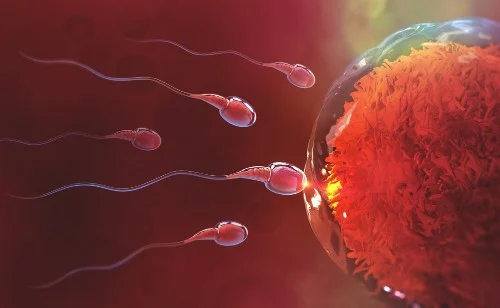
Sperm Quality and Male Infertility: Understanding the Connection
5. Medical Conditions: Certain medical conditions, such as infections, hormonal imbalances, and varicoceles (enlarged veins in the testicles), can also affect sperm quality. These conditions can cause inflammation and damage to sperm-producing cells.
Impact of Sperm Quality on Male Infertility:
Sperm quality is closely linked to male fertility, with poor sperm quality being a leading cause of male infertility. When sperm quality is low, it becomes harder for sperm cells to reach and fertilize the female egg, decreasing the chances of conception. In some cases, sperm quality can also affect the development of the embryo, leading to miscarriage.
Ways to Improve Sperm Quality and Male Fertility:
The good news is that there are steps men can take to improve their sperm quality and increase their chances of conception. Some of these include:
1. Healthy Lifestyle Habits: Quitting smoking, limiting alcohol consumption, and avoiding drug use can all help improve sperm quality. These lifestyle changes can also reduce oxidative stress and improve overall health.
2. Proper Nutrition: A diet rich in essential nutrients, such as zinc, folate, and antioxidants, can help improve sperm quality. Foods like leafy greens, nuts, and lean proteins are all good sources of these nutrients.
3. Reduce Exposure to Toxins: It is essential to limit exposure to chemicals and toxins in the environment. This can be done by avoiding areas with heavy pollution, using natural cleaning products, and wearing protective gear when working with chemicals.
4. Seek Medical Treatment: If a medical condition is the cause of low sperm quality, seeking treatment for the condition can help improve fertility. In some cases, fertility treatments such as in vitro fertilization (IVF) may be necessary.
5. Consider Supplements: Certain supplements, such as CoQ10, L-carnitine, and vitamin D, have been found to improve sperm quality in men. However, it is important to consult with a healthcare professional before taking any supplements.
In summary, sperm quality and male infertility are closely interconnected, and poor sperm quality can significantly impact a man’s fertility. By making lifestyle changes, improving nutrition, and seeking medical treatment when necessary, men can improve their sperm quality and increase their chances of conception.