Sperm vitality is a crucial factor in male reproductive health. It refers to the overall health and quality of sperm, including factors such as sperm motility, sperm count, and sperm morphology. Low sperm vitality can significantly impact a man’s ability to conceive a child, making it essential for men to understand the link between sperm vitality and reproductive health. In this blog post, we will explore 11 factors that can affect sperm vitality and provide tips for maintaining optimal reproductive health.
1. Lifestyle Factors
The lifestyle choices a man makes have a significant impact on his overall health, including his reproductive health. Factors such as smoking, excessive alcohol consumption, and drug use can all affect sperm vitality. Studies have shown that smoking can cause sperm to have abnormal shapes, leading to decreased motility and fertility. Similarly, excessive alcohol consumption can reduce testosterone levels, which is essential for sperm production. Therefore, making positive lifestyle changes such as quitting smoking and limiting alcohol consumption can improve sperm vitality.
2. Diet
A healthy diet is crucial for maintaining good overall health, including male reproductive health. Foods rich in antioxidants, such as fruits and vegetables, can help protect sperm from damage and improve sperm quality. On the other hand, a diet high in processed foods, trans fats, and sugar can negatively impact sperm vitality. It is recommended to follow a balanced diet, including lean proteins, whole grains, and healthy fats, to support sperm health.
3. Exercise
Regular exercise is essential for maintaining good overall health, and it also plays a role in sperm vitality. Studies have shown that men who engage in moderate exercise have higher sperm counts and better sperm motility than those who lead sedentary lifestyles. However, excessive exercise can have the opposite effect, leading to decreased sperm production. Therefore, finding a balance and engaging in moderate exercise can improve sperm vitality.
4. Stress
Stress can have a significant impact on reproductive health, including sperm vitality. When the body is under stress, it produces a hormone called cortisol, which can interfere with testosterone production and sperm quality. Finding ways to manage stress, such as exercise, meditation, or counseling, can have a positive impact on sperm vitality.
5. Environmental Toxins
Exposure to environmental toxins, such as pesticides, heavy metals, and chemicals, can affect sperm vitality. These toxins can cause DNA damage to sperm, leading to decreased fertility. It is important to limit exposure to these toxins by using protective gear when handling chemicals and choosing organic produce whenever possible.
6. Age
Age is another factor that can affect sperm vitality. As men age, their sperm quality and quantity tend to decline. Studies have shown that men over the age of 40 have a higher risk of producing sperm with genetic abnormalities, leading to decreased fertility. Therefore, it is essential for men to be aware of their age and its potential impact on their reproductive health.
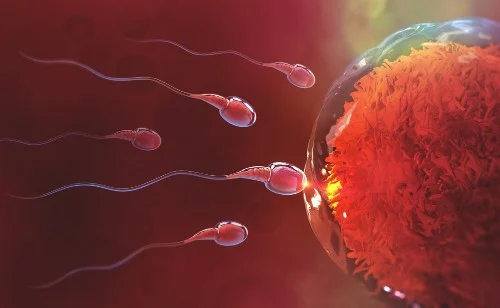
The Link Between Sperm Vitality and Male Reproductive Health: 11 Factors to Consider
7. Genetics
Genetics also play a role in male reproductive health and sperm vitality. Some genetic conditions, such as Klinefelter syndrome and cystic fibrosis, can affect sperm quality and fertility. It is recommended for men to undergo genetic testing if they are experiencing fertility issues to determine if there are any underlying genetic factors at play.
8. Medications
Certain medications, such as those used to treat high blood pressure, depression, and cancer, can affect sperm vitality. It is essential to discuss any medications you are taking with your doctor if you are trying to conceive to ensure they are not impacting your sperm health.
9. Hormonal Imbalances
Hormonal imbalances, such as low testosterone levels, can affect sperm vitality. Testosterone is essential for sperm production, and low levels can lead to decreased sperm count and quality. If you suspect you have a hormonal imbalance, it is crucial to consult with a doctor for proper diagnosis and treatment.
10. Infections
Infections, such as sexually transmitted infections (STIs), can also affect sperm vitality. These infections can cause inflammation and damage to the reproductive organs, leading to decreased sperm production and quality. It is important to practice safe sex and get tested regularly for STIs to protect your reproductive health.
11. Medical Conditions
Certain medical conditions, such as diabetes, can affect sperm vitality. Diabetes can damage blood vessels and nerves, leading to decreased blood flow to the reproductive organs and affecting sperm production. It is essential to manage any underlying medical conditions to maintain good reproductive health.
In conclusion, sperm vitality is a critical factor in male reproductive health. While some factors, such as age and genetics, are beyond our control, others, such as lifestyle choices, can be modified to improve sperm vitality. By following a healthy diet, exercise routine, managing stress, and avoiding toxins, men can support their reproductive health and increase their chances of conception.
SEO Metadata: