When it comes to fertility and reproductive health, there are many factors that can impact a person’s ability to conceive. One often overlooked aspect is the role of diet in sperm health and vitality. In recent years, there has been a growing body of research linking certain dietary habits to sperm quality and fertility. In this blog post, we will explore some key tips for a sperm-friendly diet that can help boost vitality and improve fertility.
1. Eat a Balanced Diet
The first and most crucial tip for a sperm-friendly diet is to eat a balanced and nutritious diet. This means including a variety of fruits, vegetables, whole grains, lean proteins, and healthy fats in your meals. Consuming a well-rounded diet will provide your body with the necessary nutrients, vitamins, and minerals needed for optimal sperm production and function.
2. Increase Your Intake of Antioxidants
Antioxidants are essential for sperm health as they help protect sperm cells from damage caused by oxidative stress. Foods rich in antioxidants, such as berries, nuts, and leafy greens, can help boost sperm quality and fertility. Additionally, incorporating antioxidant-rich supplements like vitamin C, vitamin E, and CoQ10 can also be beneficial.
3. Avoid Processed Foods
Processed foods, such as fast food, frozen meals, and packaged snacks, contain high levels of preservatives, additives, and unhealthy fats that can have a negative impact on sperm health. These foods are often low in nutrients and can lead to weight gain and inflammation, which can affect sperm production and quality. It is best to limit or avoid processed foods and opt for whole, natural foods instead.
4. Consume Healthy Fats
Healthy fats, such as omega-3 fatty acids, are essential for sperm health. They help improve sperm motility and increase the production of healthy sperm cells. Good sources of healthy fats include fish, avocado, olive oil, and nuts. Incorporating these healthy fats into your diet can help improve sperm quality and boost fertility.
5. Limit Alcohol and Caffeine Intake
Excessive alcohol and caffeine consumption have been linked to lower sperm count and poor sperm quality. It is important to limit your intake of these substances or avoid them altogether if you are trying to conceive. Instead, opt for healthier alternatives like herbal teas and water to stay hydrated.
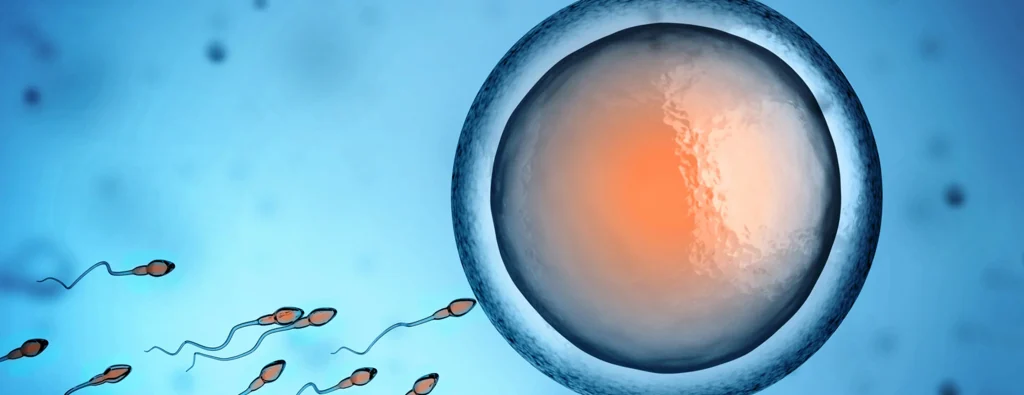
Tips for a Sperm-Friendly Diet to Boost Vitality and Fertility
6. Stay Hydrated
Staying hydrated is crucial for overall health and fertility. Drinking enough water helps improve blood flow and nutrient delivery to the reproductive organs, which is essential for sperm production. Aim to drink at least eight glasses of water a day to keep your body well-hydrated.
7. Increase Intake of Zinc and Folic Acid
Both zinc and folic acid play a vital role in male fertility. Zinc is essential for sperm production and testosterone levels, while folic acid helps with sperm maturation and DNA synthesis. Foods rich in zinc include oysters, beef, and pumpkin seeds, while folic acid can be found in leafy greens, beans, and fortified grains.
8. Incorporate Fermented Foods
Fermented foods, such as yogurt, kefir, and kimchi, are rich in probiotics, which can help improve gut health and digestion. A healthy gut microbiome is essential for overall health and fertility, as it helps with the absorption of nutrients and supports the immune system. Adding fermented foods to your diet can help improve sperm quality and boost fertility.
9. Maintain a Healthy Weight
Being underweight or overweight can have a negative impact on sperm health and fertility. It is essential to maintain a healthy weight by following a balanced diet and engaging in regular physical activity. Exercising regularly can help improve blood flow and boost testosterone levels, which can have a positive effect on sperm quality.
10. Consider a Sperm-Friendly Diet Plan
If you are struggling with fertility issues, it may be beneficial to consult a healthcare professional or a registered dietician to create a sperm-friendly diet plan tailored to your specific needs. They can help you identify any nutritional deficiencies and make necessary dietary changes to improve sperm quality and increase fertility.
In summary, following a sperm-friendly diet can have a significant impact on male fertility and reproductive health. Eating a balanced diet, incorporating antioxidant-rich foods, staying hydrated, and maintaining a healthy weight are key factors in boosting sperm vitality. Limiting alcohol and caffeine intake, increasing consumption of zinc and folic acid, and incorporating fermented foods can also have a positive effect on sperm health. By following these tips, anyone can improve their sperm quality and increase their chances of conceiving.