Sperm morphology, or the study of the size and shape of sperm cells, plays a crucial role in conception. While sperm count and motility are often the focus when it comes to male fertility, the shape of sperm cells can also have a significant impact on a couple’s ability to conceive. In this comprehensive guide, we will delve into the importance of sperm morphology in conception, the factors that can affect it, and the steps that can be taken to improve it.
Understanding Sperm Morphology
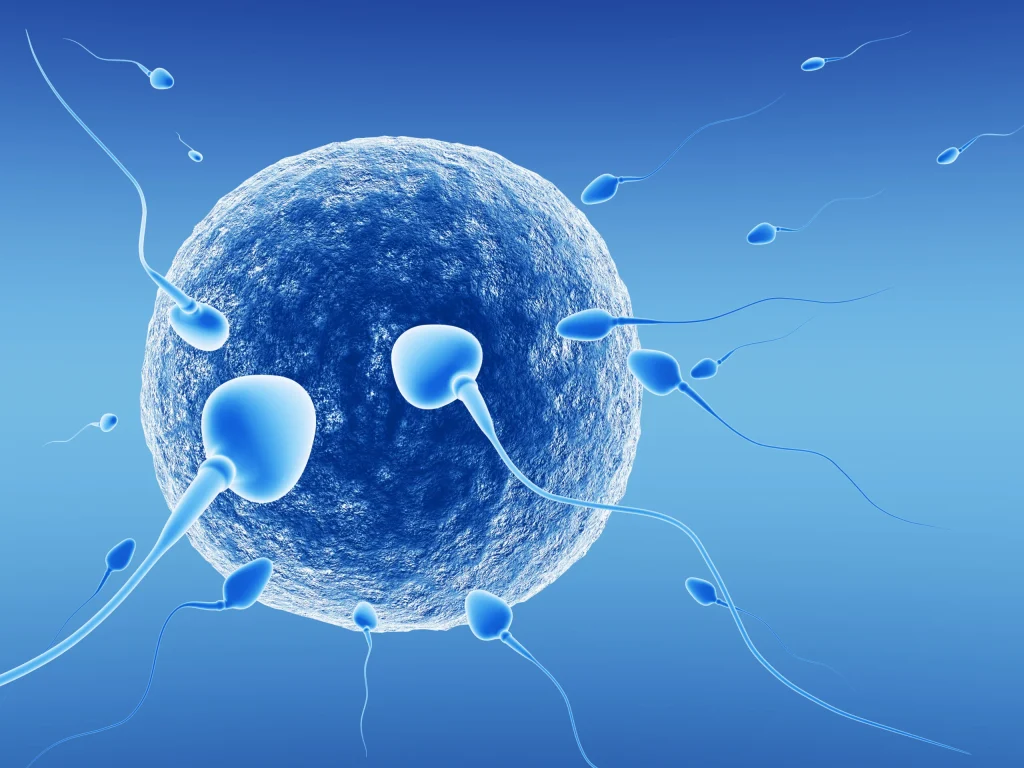
Sperm morphology refers to the physical characteristics of sperm cells, including their size, shape, and structure. Generally, a healthy sperm cell should have an oval head, a long tail, and be around 50 micrometers in length. However, abnormalities in sperm morphology can lead to difficulties in fertilization and conception.
The Role of Sperm Morphology in Conception
Sperm morphology is essential for natural conception. The shape of sperm cells plays a vital role in their ability to swim and reach the egg. Abnormalities in sperm morphology, such as a misshapen head or a short tail, can hinder the sperm’s movement and reduce its chances of reaching and fertilizing the egg.
In addition, sperm morphology also affects the quality of the genetic material within the sperm. Abnormalities in the shape of sperm cells can lead to chromosomal defects, which can result in miscarriages, birth defects, or even infertility.
Factors Affecting Sperm Morphology
Several factors can affect sperm morphology, including genetics, lifestyle choices, and underlying health conditions. Some men may have a genetic predisposition to abnormal sperm morphology, while others may develop it due to environmental factors such as exposure to toxins or radiation.
Lifestyle choices, such as smoking, excessive alcohol consumption, and poor diet, can also impact sperm morphology. These habits can lead to oxidative stress, which can damage sperm cells and affect their morphology.
Underlying health conditions such as infections, hormonal imbalances, and varicocele (enlarged veins in the scrotum) can also contribute to abnormal sperm morphology.
The Role of Sperm Morphology in Assisted Reproductive Techniques
In cases where natural conception is not possible, assisted reproductive techniques, such as in vitro fertilization (IVF) or intrauterine insemination (IUI), may be used. In these procedures, sperm morphology is a critical factor in the success rates.
The Role of Sperm Morphology in Conception: A Comprehensive Guide
During IVF, sperm cells are directly injected into the egg, bypassing the need for the sperm to swim and fertilize the egg on its own. In this case, sperm with abnormal morphology may still be able to fertilize the egg, but the chances of success are lower.
For IUI, where sperm is placed directly into the woman’s uterus, normal sperm morphology is crucial for the sperm to reach and fertilize the egg.
Improving Sperm Morphology
While some factors affecting sperm morphology, such as genetics, cannot be changed, there are steps that can be taken to improve sperm morphology and increase the chances of conception.
First and foremost, adopting a healthy lifestyle is crucial. Quitting smoking, limiting alcohol consumption, and maintaining a balanced diet can help reduce oxidative stress and improve sperm morphology.
Seeking treatment for underlying health conditions, such as infections or hormonal imbalances, can also help improve sperm morphology.
Additionally, taking supplements that contain antioxidants, such as vitamins C and E, can help protect sperm cells from oxidative stress and improve their morphology.
In some cases, assisted reproductive techniques, such as intracytoplasmic sperm injection (ICSI), may be recommended. This procedure involves injecting a single sperm directly into the egg, bypassing any issues with sperm morphology.
In Conclusion
Sperm morphology is a crucial factor in conception, and abnormalities in sperm shape can impact a couple’s ability to conceive. Understanding the role of sperm morphology and taking steps to improve it can increase the chances of natural conception or success with assisted reproductive techniques.
Summary: Sperm morphology, or the study of the size and shape of sperm cells, plays a crucial role in conception. Abnormalities in sperm shape can hinder their movement and reduce their chances of fertilizing the egg. Factors such as genetics, lifestyle choices, and underlying health conditions can affect sperm morphology. Adopting a healthy lifestyle, seeking treatment for underlying health conditions, and taking supplements can help improve sperm morphology. In assisted reproductive techniques, sperm morphology is a critical factor for success. In cases where natural conception is not possible, ICSI may be recommended. Understanding the role of sperm morphology and taking steps to improve it can increase the chances of conception.