Blog Post:
When it comes to fertility and conception, there are many factors that can impact a couple’s chances of successfully conceiving. One important aspect that often gets overlooked is the impact of exercise on sperm count and fertility. While exercise has numerous health benefits, it’s important to find the right balance when trying to conceive. In this blog post, we will explore the relationship between sperm count and exercise and provide tips for finding the right balance for fertility.
First, it’s important to understand the basics of sperm count and how it affects fertility. Sperm count refers to the number of sperm present in one milliliter of semen. According to the World Health Organization (WHO), a healthy sperm count is considered to be at least 15 million sperm per milliliter. However, even with a healthy sperm count, other factors such as sperm motility and shape can also impact fertility.
So, how does exercise impact sperm count? Research shows that regular physical activity can improve overall sperm quality and increase sperm count. This is because exercise helps to regulate hormone levels, particularly testosterone, which is crucial for sperm production. Additionally, regular exercise can also improve blood flow to the testicles, which can help to increase sperm production.
However, it’s important to note that the type and intensity of exercise can also play a role in sperm count and fertility. High-intensity exercises, such as long-distance running or cycling, can actually have a negative impact on sperm count. This is because these types of exercises can cause the body’s temperature to rise, which can harm sperm production. It’s important to find a balance and not overdo it with high-intensity exercises if you’re trying to conceive.
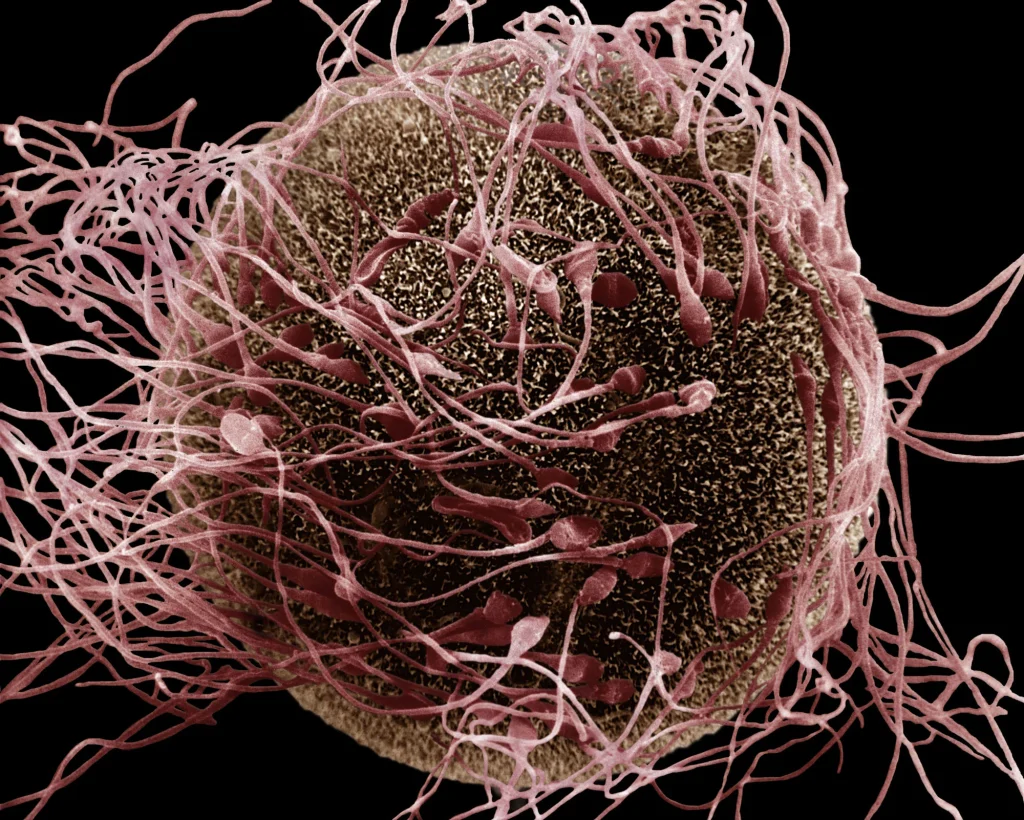
Sperm Count and Exercise: Finding the Right Balance for Fertility
On the other hand, moderate exercise, such as brisk walking, weightlifting, or yoga, can have a positive impact on sperm count and fertility. These types of exercises are less likely to cause a rise in body temperature and can still provide the necessary benefits for hormone regulation and blood flow.
In addition to the type and intensity of exercise, the frequency also plays a role in sperm count and fertility. Research suggests that men who exercise regularly have higher sperm counts compared to those who are sedentary. However, it’s important to find the right balance and not over-exercise. Over-exercising can lead to physical and mental stress, which can negatively impact sperm production and overall fertility.
So, what is the right balance for exercise and fertility? The key is moderation and finding the right type of exercise for your body. It’s recommended to engage in moderate exercise for at least 30 minutes, three to five times a week. This can include a combination of cardiovascular exercises and strength training. It’s also important to listen to your body and not push yourself too hard. If you’re feeling overly fatigued or experiencing any pain, it’s important to take a break and allow your body to rest and recover.
In addition to exercise, maintaining a healthy diet is also crucial for sperm count and fertility. Eating a well-balanced diet that includes plenty of fruits, vegetables, whole grains, and lean proteins can provide the necessary nutrients for sperm production. Avoiding excessive alcohol consumption and smoking can also have a positive impact on sperm count and fertility.
Aside from exercise and diet, there are other lifestyle factors that can impact sperm count and fertility. These include managing stress levels, getting enough sleep, and avoiding exposure to environmental toxins. It’s important to address these factors as well when trying to conceive.
In summary, exercise can have a positive impact on sperm count and fertility, but it’s important to find the right balance. Moderate exercise, combined with a healthy diet and lifestyle, can help to improve sperm quality and increase the chances of successful conception. It’s also important to consider the type and intensity of exercise and not overdo it, as this can have a negative impact on sperm production. By finding the right balance and taking care of your overall health, you can increase your chances of starting a family.