Embryo adoption, sometimes referred to as embryo donation, is a unique form of adoption that involves adopting and implanting a donated embryo into the uterus of a woman who is unable to conceive on her own. This method of family building has gained popularity in recent years due to its lower cost compared to traditional adoption and fertility treatments. However, like any adoption process, there are certain realities and challenges that prospective parents should be aware of when considering low-cost embryo adoption.
In this blog post, we will explore the realities of low-cost embryo adoption, what to expect during the process, and provide some tips for prospective parents who are interested in this form of family building.
The Cost of Low-Cost Embryo Adoption
One of the main reasons why couples and individuals choose low-cost embryo adoption is the financial aspect. Traditional adoption and fertility treatments can be very expensive, sometimes costing tens of thousands of dollars. In contrast, low-cost embryo adoption can cost as little as $5,000 to $10,000. This significant difference in cost is due to the fact that the embryos have already been created and are being donated by couples who have completed their own fertility treatments.
However, it is important to note that there are still additional costs involved in the process, such as legal fees, medical expenses, and home study fees. These costs can vary depending on the agency or clinic you choose, so it is essential to do your research and understand all the potential expenses before committing to the process.
Finding a Match
Just like traditional adoption, finding a match in low-cost embryo adoption can be a lengthy and emotional process. Prospective parents will need to work with an agency or clinic to create a profile that highlights their personal and family background, their reasons for choosing embryo adoption, and their preferences for the donor family. This profile will then be shared with potential donors, and the matching process will begin.
While some donors may choose to remain anonymous, others may be open to communicating and establishing a relationship with the adoptive family. It is essential to have an open and honest conversation about expectations and boundaries with the donor family to ensure a healthy and positive relationship for all parties involved.
The Adoption Process
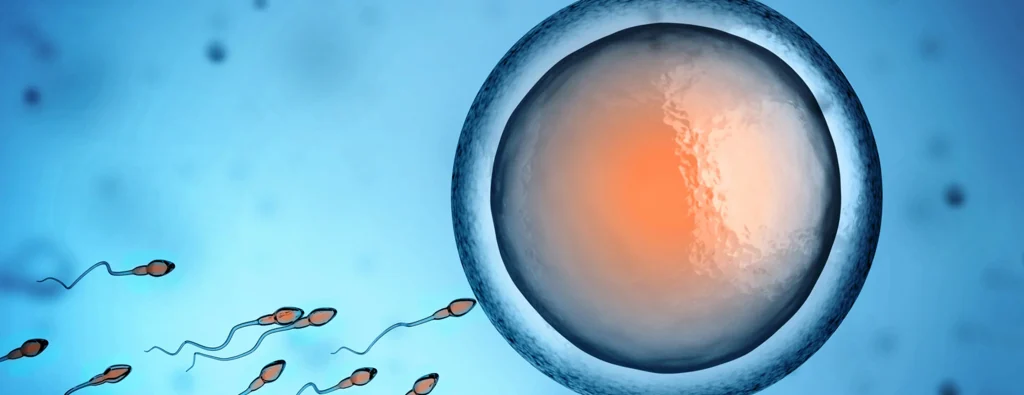
The Realities of Low-Cost Embryo Adoption: What to Expect
Once a match has been made, the adoption process begins. This process is similar to traditional adoption, and prospective parents will need to go through a home study, background checks, and other necessary steps to ensure they are fit to provide a loving and stable home for the adopted embryo.
After the home study is completed, the adoptive family will need to work with a fertility clinic to prepare for the embryo transfer. This process involves taking medications to prepare the uterus for implantation and closely monitoring the woman’s cycle to determine the best time for the transfer. The actual transfer is a relatively quick and painless procedure, and the woman will need to rest for a few days afterwards to increase the chances of a successful implantation.
The Emotional Aspect
Embryo adoption, like any form of adoption, can be an emotional rollercoaster for all parties involved. Prospective parents may feel a range of emotions, from excitement and hope to fear and anxiety. It is important to have a strong support system in place and to be open and honest about your feelings throughout the process.
For the donor family, it can also be an emotional experience to know that their biological child is being carried and raised by another family. It is essential to have clear communication and boundaries in place to ensure a healthy and positive relationship for all parties involved.
The Success Rate
One of the most crucial factors to consider in low-cost embryo adoption is the success rate. While traditional adoption and fertility treatments also have their own success rates, embryo adoption has a higher chance of success since the embryos have already been created and are typically of high quality.
However, it is important to keep in mind that not every embryo transfer will result in a successful pregnancy. Many factors, such as the age and health of the adoptive mother, can affect the success rate. It is essential to have realistic expectations and to be prepared for the possibility of multiple transfers before achieving a successful pregnancy.
In summary, low-cost embryo adoption can be an affordable and viable option for couples and individuals struggling with infertility. However, it is crucial to understand the cost, matching process, adoption process, and emotional aspects involved. Having a strong support system, open communication, and realistic expectations can help make the journey to parenthood through embryo adoption a positive and rewarding experience.
SEO metadata: