Summary:
Embryo adoption is a lesser-known option for individuals and couples struggling with infertility. While traditional adoption and in vitro fertilization (IVF) can be costly and have their own barriers, embryo adoption offers a low-cost alternative that is changing lives. In this blog post, we will explore the process of embryo adoption, the benefits of this option, and how it is breaking down barriers for those looking to build their families.
Embryo adoption, also known as embryo donation, involves receiving embryos from a donor couple and having them implanted in the recipient’s uterus. These embryos are often leftover from someone else’s IVF treatment and would otherwise be discarded. This option provides a way for individuals or couples to experience pregnancy and childbirth, and for donors to give the gift of life to those in need.
One of the biggest barriers to traditional adoption is the significant financial cost. The average cost of domestic adoption in the United States can range from $25,000 to $50,000, while international adoption can cost upwards of $40,000. In contrast, embryo adoption can cost as little as $3,000 to $8,000, making it a more affordable option for many families. This lower cost has opened up the opportunity for more people to consider embryo adoption as a way to build their families.
Another barrier to traditional adoption is the lengthy and often unpredictable process. It can take years for a couple to be matched with a birth mother, and there is no guarantee that the adoption will be successful. With embryo adoption, the process is much more streamlined and predictable. Once a match is made between donors and recipients, the embryo transfer can be done in a matter of weeks. This allows for a more timely and efficient way to build a family.
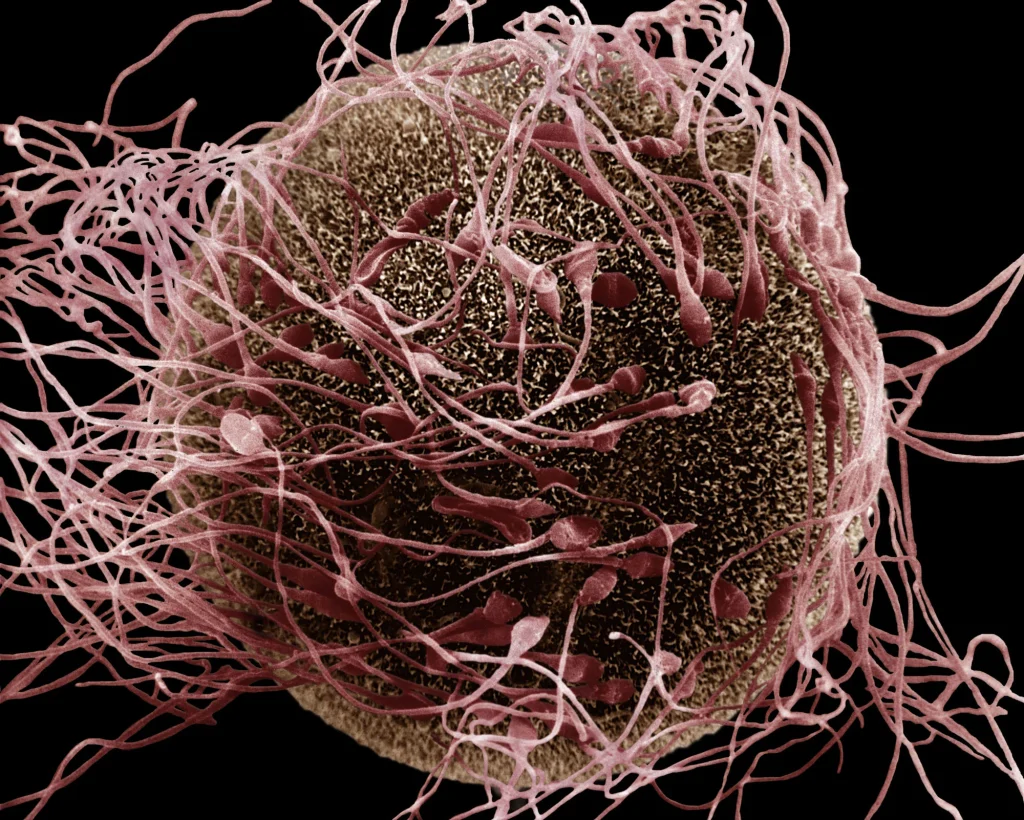
Breaking Down Barriers: How Low-Cost Embryo Adoption is Changing Lives
In addition to being a low-cost option, embryo adoption also offers a unique opportunity for families to have a biological connection to their child. Unlike traditional adoption where the child is not biologically related to the adoptive parents, embryo adoption allows for the embryo to be carried and delivered by the recipient, giving them a biological link to their child.
Another significant benefit of embryo adoption is the opportunity for open communication between donors and recipients. In traditional adoptions, there is often little to no contact between the birth parents and the adoptive family. However, with embryo adoption, there is the potential for open and ongoing communication between the donors and recipients. This allows for a more positive and fulfilling experience for all parties involved.
Embryo adoption also has the potential to help alleviate the issue of frozen embryos that are no longer needed by the original IVF couple. It is estimated that there are over 1 million frozen embryos in the United States alone, with many of them unlikely to be used by the original donors. By choosing embryo adoption, these embryos can have a chance at life and give hope to those struggling with infertility.
While embryo adoption offers many benefits and is becoming a more popular option, it is not without its challenges. Some may have concerns about the genetic background of the embryo or feel conflicted about carrying and giving birth to a child that is not biologically related to them. However, these concerns can be addressed through thorough counseling and education provided by the adoption agency.
In conclusion, low-cost embryo adoption is a game-changer for individuals and couples facing infertility. It offers a more affordable and efficient option for building a family, while also providing a biological connection and the potential for open communication with donors. By breaking down barriers and offering hope to both donors and recipients, embryo adoption is truly changing lives.