Summary:
Insemination is the process of introducing sperm into the female reproductive system in order to fertilize an egg and achieve pregnancy. While traditionally done in a medical setting, many couples and individuals are now opting for at-home insemination as a more affordable and intimate option. In this step-by-step guide, we will discuss the basics of at-home insemination and provide tips and advice for a successful and comfortable experience.
Step 1: Understand the Basics
Before embarking on at-home insemination, it is important to understand the basics of the process. This includes knowing the different types of insemination, such as intrauterine insemination (IUI) and intracervical insemination (ICI), as well as understanding the menstrual cycle and ovulation.
Step 2: Gather Supplies
The next step is to gather all the necessary supplies for at-home insemination. This includes a sterile syringe, sterile collection cup, ovulation predictor kits, and sperm. You may choose to use fresh sperm from a known donor or purchase frozen sperm from a sperm bank.
Step 3: Timing is Key
Timing is crucial in at-home insemination. It is important to track your ovulation using ovulation predictor kits and plan for insemination during your most fertile days. This increases the chances of a successful pregnancy.
Step 4: Prepare the Sperm
If using fresh sperm from a known donor, it is important to have the donor ejaculate into the sterile collection cup and then use the syringe to collect the sperm. If using frozen sperm, it must be thawed according to the instructions provided by the sperm bank.
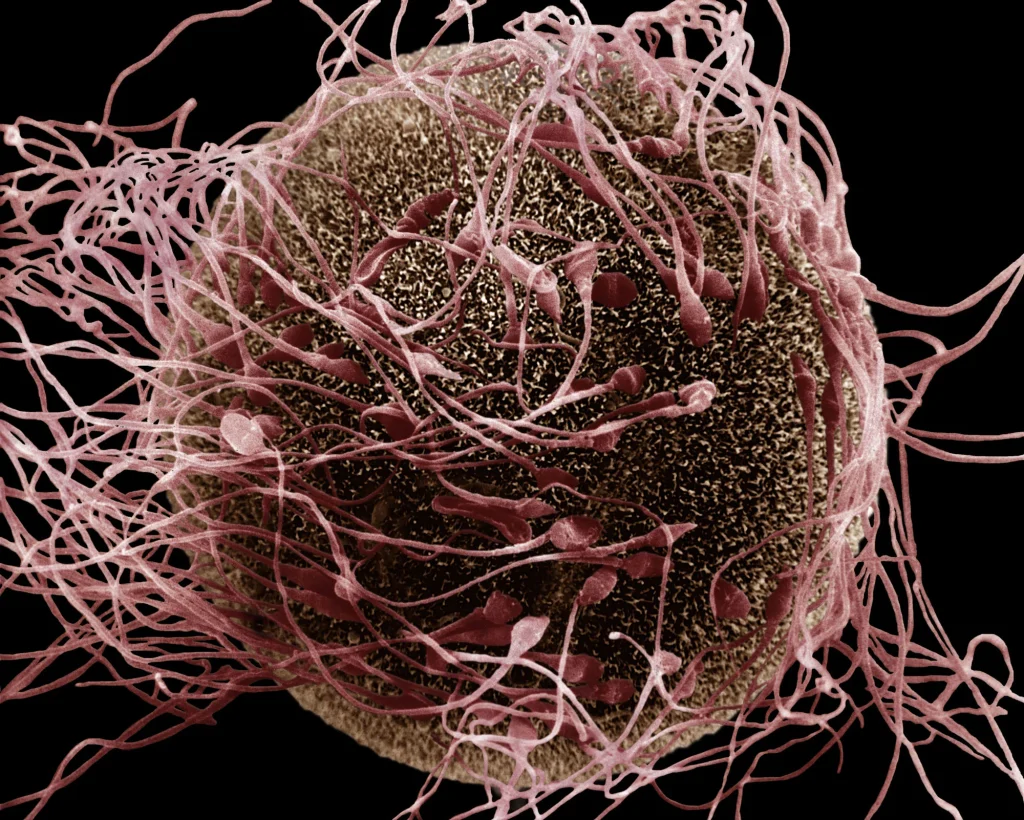
A Step-by-Step Guide to At-Home Insemination
Step 5: Prepare the Body
Before insemination, it is important to prepare the body. This includes emptying the bladder and washing the hands and genital area with warm water. It is also recommended to use a lubricant that mimics cervical mucus to aid in the insertion of the syringe.
Step 6: Insert the Sperm
Using the syringe, insert the sperm into the vagina and deposit it near the cervix. It may be helpful to elevate the hips or use a pillow to tilt the pelvis upwards. This helps the sperm to reach the cervix and increases the chances of fertilization.
Step 7: Rest and Relax
After insemination, it is important to rest and relax for at least 15-20 minutes. This allows the sperm to travel towards the cervix and increases the chances of fertilization. It is also recommended to avoid any strenuous activities or intercourse for the next 24 hours.
Step 8: Wait for Results
The two-week wait can be nerve-wracking, but it is important to be patient and wait for the results. Pregnancy tests can be taken around the time of your expected period, but it is recommended to wait a few extra days for more accurate results.
Tips for Success:
– Track your ovulation using ovulation predictor kits and plan for insemination during your most fertile days.
– Use a sperm-friendly lubricant to aid in the insertion of the syringe.
– Elevate your hips or use a pillow to tilt the pelvis upwards during and after insemination.
– Rest and relax for at least 15-20 minutes after insemination.
– Be patient and wait for the results.
In conclusion, at-home insemination can be a successful and intimate option for achieving pregnancy. By understanding the basics, gathering necessary supplies, timing correctly, and following the steps and tips outlined in this guide, you can increase your chances of a successful pregnancy. Remember to always consult with a healthcare provider for any concerns or questions.