Gamete intrafallopian transfer (GIFT) is a fertility treatment that has been around for decades and offers a variety of benefits for couples struggling with infertility. In this blog post, we will break down the benefits of GIFT and explore why it may be a viable option for those seeking to start a family.
First, let’s understand what GIFT is and how it differs from other fertility treatments. GIFT involves collecting eggs from the woman’s ovaries and mixing them with sperm in a laboratory. The resulting mixture, or gametes, is then placed directly into the fallopian tubes using a small catheter. This process is similar to in vitro fertilization (IVF), except that in IVF, the fertilized embryos are then implanted into the uterus instead of the fallopian tubes.
So, what are the benefits of GIFT? Let’s take a closer look.
1. Increased Chance of Natural Conception
One of the main benefits of GIFT is that it offers a higher chance of natural conception compared to IVF. By placing the gametes directly into the fallopian tubes, GIFT allows for fertilization to occur in the body, just like in a natural conception. This may be beneficial for couples who have been unsuccessful with IVF or have certain fertility issues that may hinder the success of IVF.
2. No Risk of Multiple Pregnancies
Unlike IVF, which can result in multiple pregnancies due to the possibility of multiple embryos being implanted, GIFT only involves the placement of gametes into the fallopian tubes. This significantly reduces the risk of multiple pregnancies, which can come with its own set of challenges and complications.
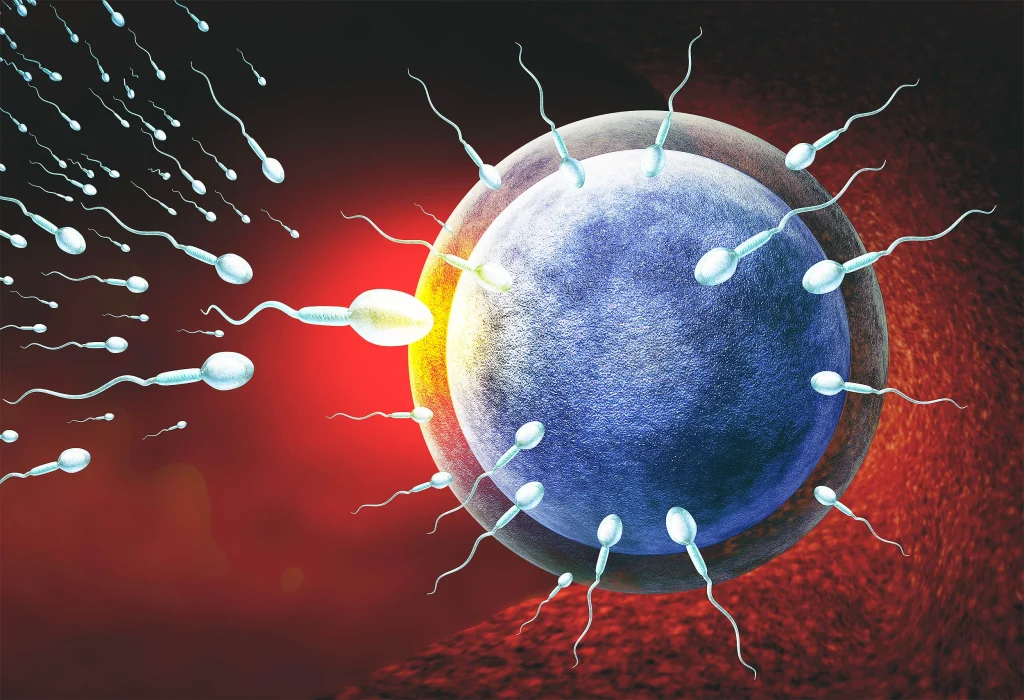
Breaking Down the Benefits of Gamete Intrafallopian Transfer
3. Avoids the Need for Egg Retrieval
In IVF, the woman’s eggs are retrieved from the ovaries using a needle. This can be a stressful and uncomfortable procedure for some women. With GIFT, there is no need for egg retrieval, as the eggs are collected during a minor surgical procedure called laparoscopy. This may be a more appealing option for women who are uncomfortable with the idea of egg retrieval.
4. Potential Cost Savings
For some couples, GIFT may be a more cost-effective option compared to IVF. This is because GIFT does not involve the extra step of fertilizing the eggs in a laboratory, which can add to the overall cost of treatment. Additionally, GIFT may result in a successful pregnancy in one cycle, whereas IVF may require multiple cycles before achieving a successful pregnancy.
5. Can Be Combined with Other Fertility Treatments
GIFT can also be combined with other fertility treatments, such as intrauterine insemination (IUI), to increase the chances of pregnancy. This may be beneficial for couples who have been unsuccessful with other treatments or have certain fertility issues that require a combination of treatments.
6. May be a Good Option for Religious or Ethical Reasons
Some couples may choose GIFT over IVF for religious or ethical reasons. In GIFT, fertilization occurs inside the body, which may be more aligned with certain beliefs or values. This may make GIFT a more desirable option for these couples.
In conclusion, GIFT offers a variety of benefits for couples struggling with infertility. From a higher chance of natural conception to potential cost savings, GIFT may be a viable option for those seeking to start a family. It is important to consult with a fertility specialist to determine if GIFT is the right treatment for you and your partner. With advancements in technology and medical techniques, GIFT continues to be a promising option for couples on their journey towards parenthood.
Summary: Gamete intrafallopian transfer (GIFT) is a fertility treatment that involves placing eggs and sperm directly into the fallopian tubes, offering benefits such as increased chance of natural conception, no risk of multiple pregnancies, potential cost savings, and the ability to be combined with other fertility treatments. It may also be a preferred option for couples with religious or ethical concerns. It is recommended to consult with a fertility specialist to determine if GIFT is the right treatment option.