Blog Post Title: Exploring the Potential Side Effects of Fertility Treatments
Fertility treatments have become increasingly common in recent years, offering hope to couples struggling to conceive. While these treatments can be successful in helping couples achieve their dream of having a child, they also come with potential side effects that should not be ignored. In this blog post, we will explore the potential side effects of fertility treatments and provide information on how to manage them.
Types of Fertility Treatments
There are several types of fertility treatments available, each with its own set of potential side effects. The most common types of treatments include:
1. Intrauterine Insemination (IUI): This involves placing sperm directly into the uterus during the woman’s ovulation period.
2. In vitro fertilization (IVF): This is a process where the eggs are fertilized outside the body and then placed back into the uterus.
3. Intracytoplasmic Sperm Injection (ICSI): This is similar to IVF, but instead of fertilizing the eggs with sperm, a single sperm is injected into each egg.
4. Donor eggs or sperm: In some cases, couples may opt to use donor eggs or sperm to increase their chances of conceiving.
Potential Side Effects of Fertility Treatments
1. Multiple Pregnancies: One of the most common side effects of fertility treatments is a multiple pregnancy. This can happen when more than one egg is fertilized and implanted in the uterus, resulting in twins, triplets, or even more. While having multiple babies may seem like a blessing, it also increases the risk of complications during pregnancy and delivery.
2. Ovarian Hyperstimulation Syndrome (OHSS): OHSS is a potentially serious side effect of fertility treatments, where the ovaries become swollen and painful. This can happen when the ovaries are overstimulated to produce multiple eggs. Symptoms of OHSS include bloating, abdominal pain, and nausea. In severe cases, it can lead to fluid buildup in the chest and abdomen, which can be life-threatening.
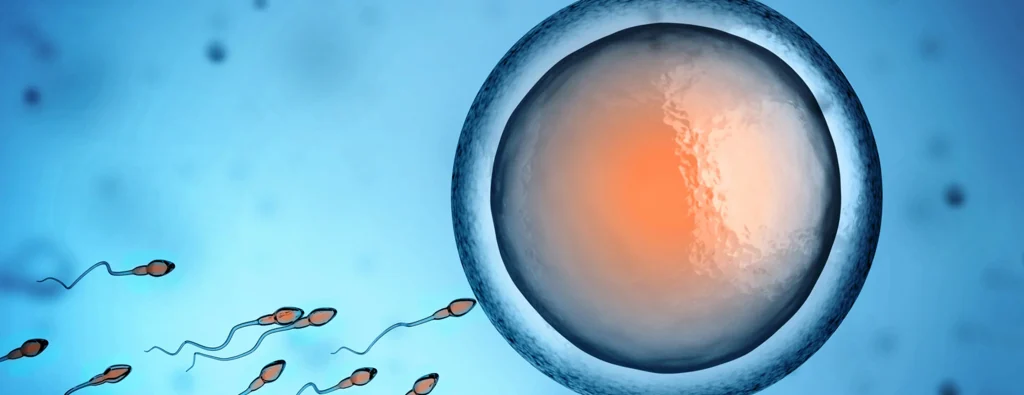
Exploring the Potential Side Effects of Fertility Treatments
3. Ectopic Pregnancy: Ectopic pregnancy occurs when the fertilized egg implants outside the uterus, usually in the fallopian tubes. This can be a result of damage to the tubes caused by previous surgeries, infections, or endometriosis. Fertility treatments, especially IVF, can increase the risk of ectopic pregnancy.
4. Ovarian Cancer: Some studies have suggested a link between fertility treatments and an increased risk of ovarian cancer. However, the results are inconclusive, and more research is needed to establish a definitive connection.
5. Mood swings and emotional distress: The emotional toll of fertility treatments can be significant for couples. The process of trying to conceive can be stressful, and the hormones used in the treatments can cause mood swings and emotional distress. It is essential to have a support system in place and seek counseling if needed.
Managing Side Effects
While fertility treatments come with potential side effects, there are ways to manage and minimize them. Here are some tips to help you cope with the side effects:
1. Consult with your doctor: It is crucial to discuss any concerns or questions you have with your doctor before starting fertility treatments. They can provide you with information on the potential side effects and how to manage them.
2. Follow medication instructions: It is essential to follow the medication instructions given by your doctor carefully. This will help reduce any potential risks and side effects.
3. Take care of your emotional well-being: Going through fertility treatments can be emotionally draining. It is essential to take care of your mental health and seek support from your partner, family, or a therapist.
4. Eat a healthy diet: A well-balanced diet can help manage some side effects of fertility treatments, such as bloating and mood swings. Avoiding processed and sugary foods can also help reduce inflammation and improve overall health.
5. Rest and relax: The stress of trying to conceive and undergoing fertility treatments can take a toll on your body. Make sure to get enough rest and indulge in activities that help you relax and unwind.
Summary:
Fertility treatments offer hope to couples struggling to conceive, but they also come with potential side effects that should not be ignored. These side effects include multiple pregnancies, ovarian hyperstimulation syndrome, ectopic pregnancy, and mood swings. It is essential to consult with a doctor, follow medication instructions, and take care of your emotional and physical well-being while undergoing fertility treatments.