When a couple is trying to conceive, it can be a frustrating and emotional journey when it doesn’t happen as quickly as expected. While infertility is often portrayed as a male issue, the reality is that female infertility is just as common. In fact, according to the Centers for Disease Control and Prevention (CDC), approximately 12% of women in the United States have difficulty getting pregnant or carrying a pregnancy to term.
Infertility is defined as the inability to become pregnant after one year of trying for women under 35, and after six months for women over 35. However, there are some signs and symptoms of female infertility that may warrant seeking help from a doctor sooner rather than later. In this blog post, we will discuss when to seek help for female infertility, including common signs and symptoms to look out for.
1. Irregular or Absent Periods
One of the most common signs of female infertility is irregular or absent periods. A regular menstrual cycle is a sign of a healthy reproductive system. If a woman’s period is absent or irregular, it could indicate an underlying issue such as polycystic ovary syndrome (PCOS) or thyroid problems. These conditions can affect ovulation and make it difficult for a woman to get pregnant.
2. Painful Periods
While some cramping and discomfort during periods is normal, severe and debilitating pain is not. Painful periods, also known as dysmenorrhea, can be a sign of endometriosis, a condition where the tissue that lines the uterus grows outside of it. This can cause damage to the reproductive organs and lead to infertility.
3. Hormonal Imbalances
Hormones play a crucial role in a woman’s reproductive system. Any imbalances in hormones, such as high levels of prolactin or low levels of thyroid hormones, can interfere with ovulation and make it difficult to conceive. Women who experience symptoms such as weight gain, acne, or changes in hair growth may have a hormonal imbalance that can contribute to infertility.
4. Pelvic Inflammatory Disease (PID)
PID is a serious infection of the reproductive organs that can cause scarring and damage, leading to infertility. It is usually caused by sexually transmitted infections (STIs) such as chlamydia and gonorrhea. If left untreated, PID can cause long-term complications, including infertility.
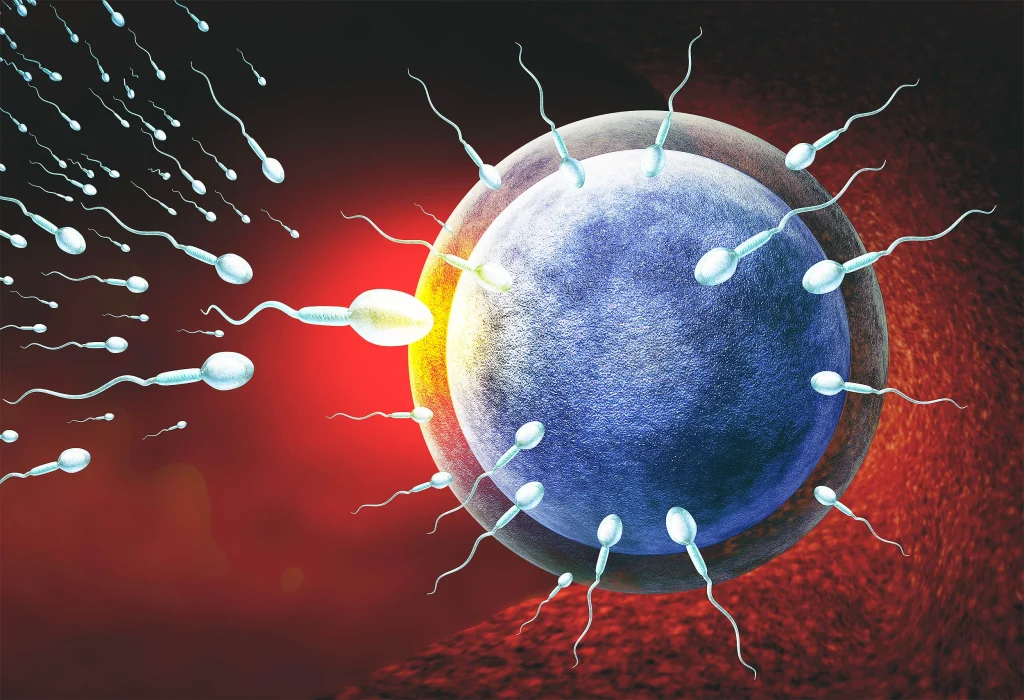
When to Seek Help for Female Infertility: Signs and Symptoms
5. Age
As women age, their fertility declines. This is due to the natural aging process of the reproductive system, which can affect the quality and quantity of a woman’s eggs. Women over the age of 35 may experience a decline in fertility, and those over 40 may have a harder time getting pregnant and carrying a pregnancy to term.
6. Previous Miscarriages
If a woman has experienced two or more miscarriages, it could be a sign of an underlying issue that is causing the losses. Some of these issues may include hormonal imbalances, uterine abnormalities, or genetic factors. Seeking help from a doctor after multiple miscarriages can help identify and address any underlying issues that may be contributing to infertility.
7. Family History
If a woman has a family history of infertility or early menopause, it is worth seeking help from a doctor to assess her own fertility. Certain genetic conditions can affect fertility and may be passed down from parents to their children. Knowing this information can help a woman make informed decisions about her reproductive health.
8. Lifestyle Factors
Certain lifestyle factors can also contribute to female infertility. These may include smoking, excessive alcohol consumption, and being overweight or underweight. These habits can affect hormone levels and interfere with ovulation, making it difficult to conceive.
9. Trying for a Year with No Success
As mentioned earlier, if a woman is under the age of 35 and has been trying to conceive for a year with no success, it is recommended to seek help from a doctor. Women over 35 should seek help after six months of trying. A doctor can assess the couple’s fertility and provide guidance on the next steps, whether it be fertility treatments or lifestyle changes.
10. Partner’s Infertility
Lastly, if a woman’s partner has been diagnosed with male infertility, it is essential to seek help from a doctor. Infertility can affect both partners, and addressing the issue as a couple can increase the chances of successful treatment.
In conclusion, there are various signs and symptoms of female infertility that may warrant seeking help from a doctor. These include irregular or absent periods, painful periods, hormonal imbalances, age, previous miscarriages, family history, lifestyle factors, trying for a year with no success, and partner’s infertility. Seeking help from a doctor can help identify any underlying issues and provide guidance on the best course of action. Remember that infertility is a common issue, and seeking help is the first step towards starting a family.