For many individuals and couples, starting a family is a top priority. However, sometimes life circumstances or medical conditions can make it difficult to conceive naturally. In these situations, fertility preservation can play a crucial role in family planning. This process involves preserving reproductive cells or tissues for future use, allowing individuals to have biological children even after facing fertility challenges. In this blog post, we will explore the role of fertility preservation in family planning and how it can provide hope and options for those looking to start a family.
Understanding Fertility Preservation
Fertility preservation is a term used to describe various techniques and procedures that aim to preserve reproductive cells or tissues for future use in conceiving a child. These techniques can be used by both men and women and are typically recommended for individuals facing fertility challenges due to medical treatments, such as chemotherapy or radiation, or those with conditions that may affect their fertility, such as endometriosis or polycystic ovary syndrome (PCOS). It can also be an option for individuals who are not yet ready to start a family but want to preserve their fertility for later in life.
Types of Fertility Preservation
The most common types of fertility preservation are egg, sperm, and embryo freezing. Egg freezing, also known as oocyte cryopreservation, involves harvesting a woman’s eggs, freezing them, and storing them for later use. Sperm freezing, on the other hand, involves collecting and freezing a man’s sperm for future use. Embryo freezing is a process where eggs are fertilized with sperm in a lab, and the resulting embryo is then frozen and stored for later use.
Other options for fertility preservation include ovarian tissue freezing, where a small piece of ovarian tissue is removed and frozen for later use, and testicular tissue freezing for men, where a small piece of testicular tissue is removed and frozen for future use.
Importance of Fertility Preservation in Family Planning
For individuals facing fertility challenges due to medical treatments, fertility preservation can offer hope and a chance to have biological children in the future. Chemotherapy and radiation treatments can damage reproductive cells, making it difficult or impossible to conceive naturally. By preserving eggs or sperm before undergoing these treatments, individuals can increase their chances of having a biological child later in life.
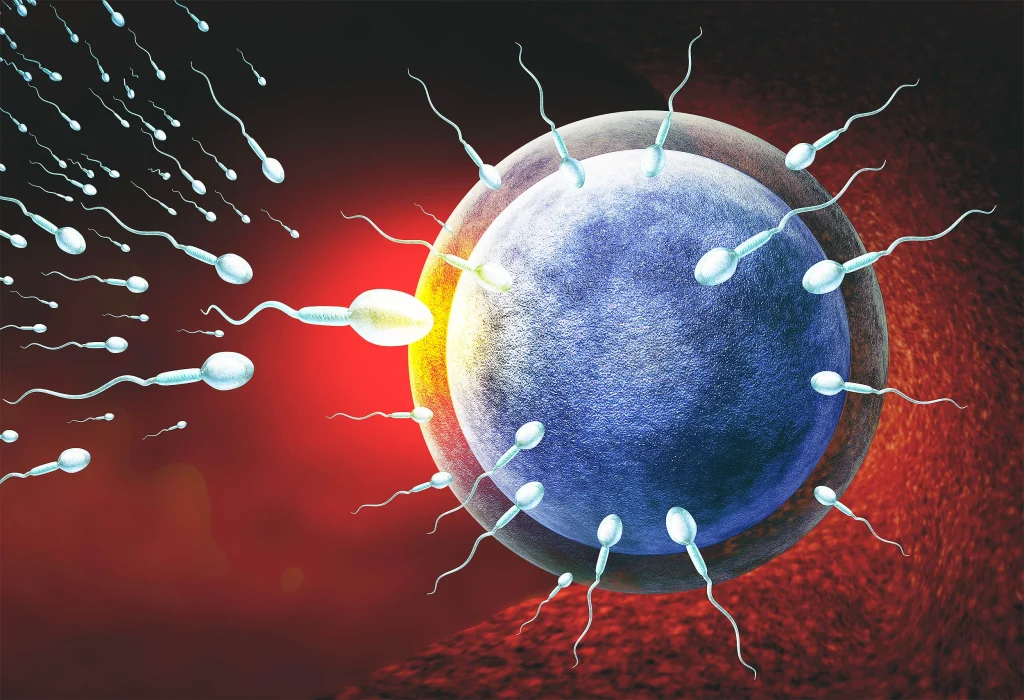
The Role of Fertility Preservation in Family Planning
Fertility preservation can also be a crucial option for those with medical conditions that may affect their fertility. For women with conditions such as endometriosis or PCOS, preserving eggs can provide peace of mind and the opportunity to have children in the future. It can also be a viable option for women facing early menopause or those who have had their ovaries removed due to medical reasons.
Furthermore, fertility preservation can also play a role in family planning for individuals who are not yet ready to start a family. With the advancements in egg and sperm freezing technologies, individuals can choose to preserve their fertility until they are ready to have children. This can be beneficial for those who want to focus on their careers, travel, or other personal goals before starting a family.
Challenges and Considerations
While fertility preservation offers promising options for family planning, there are some challenges and considerations to keep in mind. The cost of fertility preservation can be a significant barrier for many individuals, as it is not always covered by insurance. Additionally, the success rates of fertility treatments may vary, and there is no guarantee that preserved eggs or sperm will result in a successful pregnancy in the future.
It is also essential to consider the emotional and psychological impact of fertility preservation. For some, it can be a source of hope and relief, while for others, it may bring feelings of anxiety and stress. It is crucial to have open and honest conversations with healthcare providers and loved ones to understand the potential risks and benefits of fertility preservation fully.
In Conclusion
Fertility preservation can play a significant role in family planning for individuals facing fertility challenges. It offers hope and options for those looking to start a family, whether it be due to medical treatments, conditions, or personal choices. While there are challenges and considerations to consider, advancements in technology have made fertility preservation a viable option for many. With proper guidance and support, individuals can make informed decisions about their reproductive health and have the opportunity to create the family they desire.
In summary, fertility preservation is the process of preserving reproductive cells or tissues for future use in conceiving a child. It can offer hope and options for individuals facing fertility challenges due to medical treatments or conditions. Fertility preservation can also be an option for those not yet ready to start a family. While there are challenges and considerations, advancements in technology have made it a viable option for many. Proper guidance and support are crucial in making informed decisions about reproductive health and family planning.