Blog Post: The Role of Nutrition in Maintaining Reproductive Health at 30
As we enter our thirties, many changes occur in our bodies, including changes in our reproductive health. This is a crucial time to prioritize our health, especially when it comes to our reproductive system. Nutrition plays a vital role in maintaining reproductive health at 30 and beyond. In this blog post, we will delve into the importance of nutrition for reproductive health and discuss the key nutrients that are essential for maintaining optimal reproductive function.
The Link Between Nutrition and Reproductive Health
Our reproductive system is a complex network of organs, hormones, and biochemical reactions. It is responsible for the production of hormones, the maturation of eggs, sperm production, and the ability to conceive and carry a healthy pregnancy. As we age, our reproductive system undergoes changes that can affect its overall function.
One of the most significant factors that can impact reproductive health is nutrition. The food we eat provides the building blocks for our bodies to function correctly, and this is especially true for our reproductive system. Poor nutrition can lead to hormonal imbalances, irregular menstrual cycles, low sperm count, and other fertility issues.
Nutrients for Maintaining Reproductive Health at 30
1. Folate
Folate, also known as vitamin B9, is a crucial nutrient for reproductive health. It plays a vital role in the production of DNA and RNA, which are essential for the development of healthy eggs and sperm. Folate is also crucial for preventing birth defects, such as spina bifida, in the early stages of pregnancy. It is recommended that women of childbearing age consume 400-600 micrograms of folate per day to maintain optimal reproductive health.
2. Iron
Iron is essential for the production of hemoglobin, a protein in red blood cells that carries oxygen to all parts of the body. It is particularly crucial for women as they lose iron through menstruation. Iron deficiency can lead to anemia, which can cause irregular menstrual cycles and affect fertility. It is recommended that women consume 18 milligrams of iron per day, and this can be achieved through consuming iron-rich foods such as red meat, poultry, seafood, beans, and leafy green vegetables.
3. Omega-3 Fatty Acids
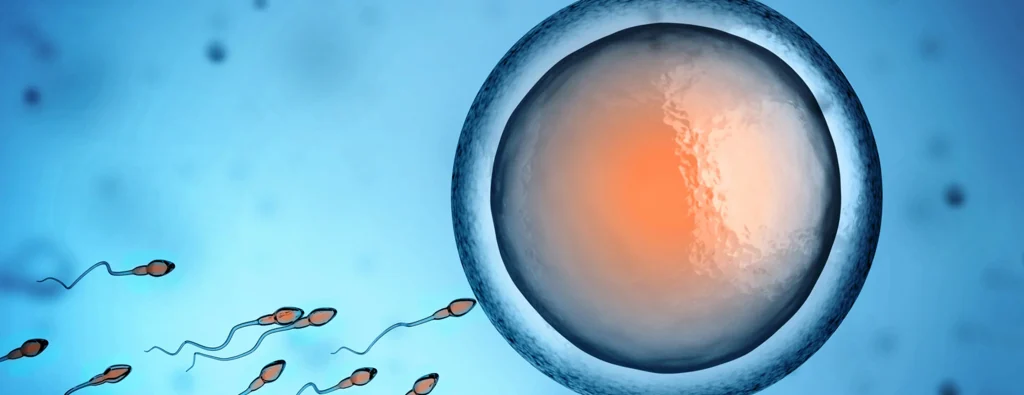
The Role of Nutrition in Maintaining Reproductive Health at 30
Omega-3 fatty acids, specifically EPA and DHA, are essential for reproductive health. These fatty acids play a vital role in the production of hormones and can help regulate the menstrual cycle. They also have anti-inflammatory properties, which can help reduce the risk of conditions such as endometriosis and polycystic ovary syndrome (PCOS). Omega-3 fatty acids can be found in fatty fish, such as salmon and sardines, as well as in flaxseeds, chia seeds, and walnuts.
4. Vitamin D
Vitamin D is crucial for reproductive health as it helps regulate hormone production and aids in the development of healthy eggs and sperm. Low levels of vitamin D have been linked to conditions such as PCOS and can also affect fertility. It is recommended that adults consume 600-800 international units (IU) of vitamin D per day, and this can be achieved through consuming vitamin D-rich foods such as fatty fish, fortified dairy products, and eggs.
5. Zinc
Zinc is a mineral that is essential for reproductive health. It plays a vital role in the production of sex hormones, such as testosterone and estrogen. It also helps with the development of healthy eggs and sperm. Low levels of zinc have been linked to fertility issues, such as low sperm count and poor egg quality. It is recommended that adults consume 8-11 milligrams of zinc per day, and this can be achieved through consuming foods such as oysters, beef, pumpkin seeds, and chickpeas.
The Importance of a Balanced Diet
In addition to these key nutrients, a balanced and varied diet is crucial for maintaining reproductive health. A diet rich in fruits, vegetables, whole grains, lean proteins, and healthy fats can provide the essential vitamins and minerals needed for optimal reproductive function. It is also important to limit the intake of processed and sugary foods, as they can lead to inflammation and hormonal imbalances.
The Role of Nutrition in Pregnancy
Maintaining a healthy diet is not only crucial for reproductive health, but it also plays a vital role in a healthy pregnancy. Adequate nutrition during pregnancy is essential for the growth and development of the baby, as well as the health of the mother. It is recommended that pregnant women consume a diet rich in fruits, vegetables, whole grains, lean proteins, and healthy fats, as well as taking a prenatal vitamin to ensure adequate intake of key nutrients.
Summary:
As we enter our thirties, it is essential to prioritize our health, especially when it comes to our reproductive system. Nutrition plays a vital role in maintaining reproductive health at 30 and beyond. Key nutrients such as folate, iron, omega-3 fatty acids, vitamin D, and zinc are essential for optimal reproductive function. A balanced and varied diet is crucial for providing these nutrients, and it is also important to limit processed and sugary foods. Adequate nutrition is also crucial during pregnancy for the health of both the mother and baby. By prioritizing nutrition, we can maintain our reproductive health and increase the chances of a healthy pregnancy.