Queering Parenthood: A Look at Non-Traditional Family Structures
The traditional idea of a family often includes a mother, father, and children living under one roof. However, as society progresses and becomes more accepting, the concept of what a family looks like has also evolved. With the rise of LGBTQ+ rights and visibility, non-traditional family structures are becoming more prevalent and accepted. In this blog post, we will explore what it means to queer parenthood and the various forms of non-traditional families.
Defining Queer Parenthood
Queer parenthood refers to the experience of LGBTQ+ individuals or couples raising children. This can take many forms, including adoption, surrogacy, fostering, or having biological children through assisted reproductive technologies. Queer parents are not limited to just same-sex couples, as single LGBTQ+ individuals may also choose to become parents.
Challenges Faced by Queer Parents
Despite the increasing acceptance of non-traditional families, queer parents still face many challenges in society. One of the main obstacles is legal recognition and protection. In many countries, LGBTQ+ individuals or couples are not allowed to adopt or have limited rights when it comes to their children. This can lead to issues with custody, inheritance, and other legal matters.
Another challenge that queer parents face is prejudice and discrimination. Children of LGBTQ+ parents may face bullying or exclusion from their peers, and their parents may also face discrimination in their daily lives. This can have a negative impact on the mental health and well-being of both the children and their parents.
Non-Traditional Family Structures
One of the most common forms of non-traditional families is same-sex parenting. This can involve two men or two women raising children together. Same-sex parents may choose to adopt, foster, or have biological children through assisted reproductive technologies. These families may also include co-parenting arrangements, where two LGBTQ+ individuals or couples raise children together without being in a romantic relationship.
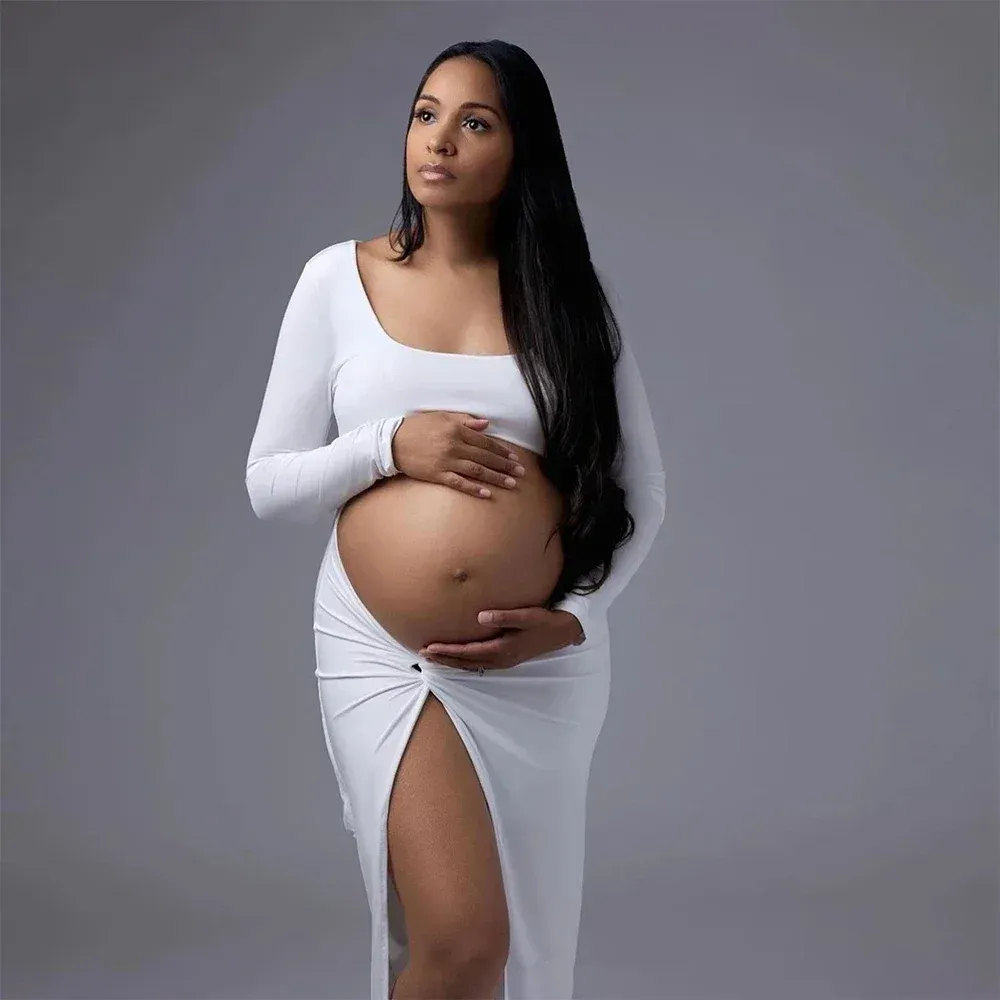
Queering Parenthood: A Look at Non-Traditional Family Structures
Another form of non-traditional family structure is single-parenting within the LGBTQ+ community. This can involve a single LGBTQ+ individual raising a child on their own through adoption, surrogacy, or assisted reproductive technologies. Single-parent families may also include a child being raised by a single LGBTQ+ parent and their extended family or chosen family, creating a support network for the child.
Trans and gender non-conforming individuals may also choose to become parents, creating unique family structures. They may choose to have biological children through assisted reproductive technologies or adopt children. These families may also include co-parenting arrangements, where the child is raised by multiple individuals who may not identify as traditional parents.
The Impact of Non-Traditional Families
Research has shown that children raised in non-traditional families have similar outcomes to those raised in traditional families. There is no evidence to support that having LGBTQ+ parents negatively impacts a child’s development or well-being. In fact, children raised in non-traditional families may have more exposure to diversity and acceptance, leading to more open-minded and empathetic individuals.
Non-traditional families also challenge the traditional gender roles and stereotypes that are often associated with parenthood. Same-sex parents and single LGBTQ+ parents are breaking down barriers and showing that anyone can be a nurturing and loving parent, regardless of their gender or sexual orientation.
Creating Inclusive Spaces for Queer Parents
In order to truly support and embrace non-traditional families, it is important to create inclusive spaces for queer parents. This includes schools, healthcare facilities, and community organizations. These spaces should be welcoming and accepting of LGBTQ+ individuals and families, and provide resources and support for their unique needs.
Education and awareness are also crucial in creating inclusive spaces. It is important for individuals to understand and respect the different forms of non-traditional families and to challenge any biases or stereotypes they may hold.
In conclusion, queer parenthood and non-traditional family structures are becoming more prominent and accepted in society. These families face challenges and obstacles, but also bring diversity and new perspectives to the concept of family. By creating inclusive spaces and promoting education and awareness, we can support and celebrate all forms of families.