Blog Post:
Reproductive endocrinology is a field of medicine that focuses on the hormonal and reproductive health of both men and women. It deals with the diagnosis and treatment of disorders related to the endocrine system and reproductive organs. Nutrition plays a crucial role in the overall health of our bodies, and it is especially important in the realm of reproductive endocrinology. In this blog post, we will discuss the importance of nutrition in reproductive endocrinology and how it can impact fertility, pregnancy, and overall reproductive health.
Nutrition and Fertility:
Fertility refers to the ability to conceive and carry a pregnancy to full term. Many factors can affect fertility, including age, lifestyle habits, and underlying medical conditions. Nutrition is a key factor that can significantly impact fertility in both men and women. In women, a balanced and healthy diet is crucial for maintaining regular menstrual cycles and ovulation. A deficiency in essential nutrients can cause irregular or absent periods, which can make it difficult to conceive. Additionally, certain micronutrient deficiencies, such as iron and folate, can increase the risk of infertility and pregnancy complications.
In men, nutrition also plays a crucial role in fertility. Studies have shown that a diet rich in antioxidants, such as vitamins C and E, can improve sperm quality and motility. On the other hand, a diet high in processed foods and trans fats can decrease sperm count and motility, leading to male infertility. Therefore, maintaining a well-balanced diet with a variety of fruits, vegetables, whole grains, and lean proteins is essential for both men and women trying to conceive.
Nutrition and Pregnancy:
Nutrition is equally important during pregnancy as it directly affects the health of both the mother and the developing baby. A well-balanced diet during pregnancy can reduce the risk of gestational diabetes, pre-eclampsia, and other pregnancy complications. It can also ensure that the baby receives all the necessary nutrients for proper growth and development.
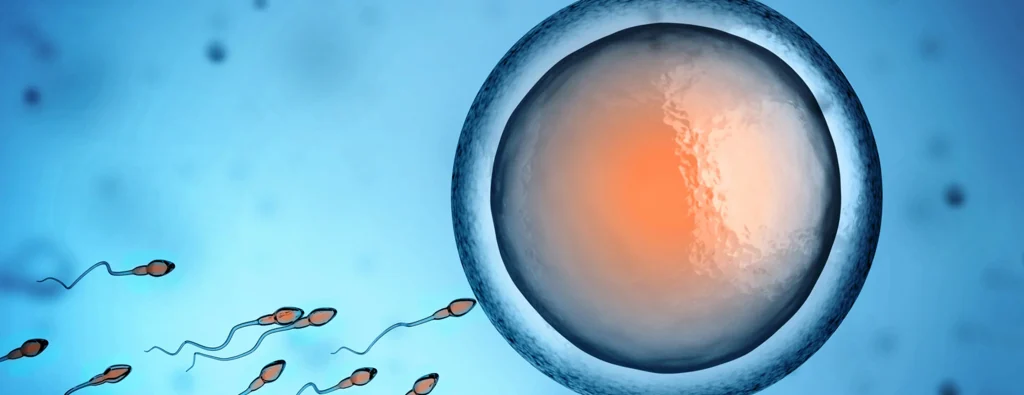
The Importance of Nutrition in Reproductive Endocrinology
One of the essential nutrients during pregnancy is folic acid. It plays a crucial role in the development of the baby’s neural tube, which eventually becomes the brain and spinal cord. A deficiency in folic acid during pregnancy can lead to neural tube defects that can have severe consequences for the baby. Therefore, it is recommended for all women of childbearing age to consume at least 400 micrograms of folic acid daily to prevent such birth defects.
Good nutrition during pregnancy also includes adequate intake of protein, iron, calcium, and other essential vitamins and minerals. These nutrients are vital for the development of the baby’s bones, muscles, and organs. They also help in the formation of the placenta and the production of breast milk.
Nutrition and Reproductive Health:
Aside from fertility and pregnancy, nutrition also plays a crucial role in overall reproductive health. In women, certain health conditions such as polycystic ovary syndrome (PCOS) and endometriosis can affect reproductive health and fertility. Both of these conditions are associated with insulin resistance and inflammation, which can be managed through a healthy diet.
A diet high in fruits, vegetables, whole grains, and healthy fats can help regulate insulin levels and reduce inflammation in the body. This, in turn, can improve symptoms of PCOS and endometriosis and increase the chances of conception. On the other hand, a diet high in processed foods and sugar can worsen these conditions and contribute to hormonal imbalances, leading to irregular periods and infertility.
In men, a healthy diet can also play a role in maintaining reproductive health. Studies have shown that men with obesity or poor dietary habits are more likely to have lower testosterone levels and sperm quality. Therefore, maintaining a healthy weight and consuming a balanced diet can help improve male reproductive health.
In conclusion, nutrition is a vital component of reproductive endocrinology. A well-balanced diet with a variety of nutrients is crucial for fertility, pregnancy, and overall reproductive health in both men and women. It is essential to consume a diet rich in fruits, vegetables, whole grains, lean protein, and healthy fats while limiting processed and sugary foods to maintain optimal reproductive health.
SEO metadata: