Summary:
Egg donation is a process in which a woman (known as the egg donor) donates her eggs to another woman (known as the recipient) in order to help the recipient become pregnant. This can be a life-changing experience for both the donor and the recipient, and it requires careful consideration and understanding of the process. In this ultimate guide to egg donation, we will cover everything you need to know about egg donation, from the initial steps to the potential risks and rewards.
The first step in the egg donation process is finding a reputable and trustworthy agency. Egg donation agencies act as intermediaries between donors and recipients, helping to match them based on their preferences and requirements. It is important to thoroughly research and choose an agency that is transparent, ethical, and has a good track record.
Next, potential egg donors will need to go through a rigorous screening process to ensure they are physically and mentally fit to donate. This process includes medical and psychological evaluations, as well as genetic testing to rule out any potential hereditary disorders. Once a donor is cleared, the agency will help them create a profile that will be shared with potential recipients.
For recipients, the process involves finding the right donor and coordinating with their doctor to synchronize their cycles. The donor will then undergo a series of injections to stimulate her ovaries and produce multiple eggs. The eggs are retrieved through a minor surgical procedure and are then fertilized with the recipient’s partner’s sperm or donated sperm in a laboratory.
After the eggs are fertilized, they are monitored for a few days to ensure they are developing properly. The best quality embryo(s) are then transferred into the recipient’s uterus, and the remaining embryos can be frozen for future use. The recipient will then undergo a pregnancy test to determine if the transfer was successful.
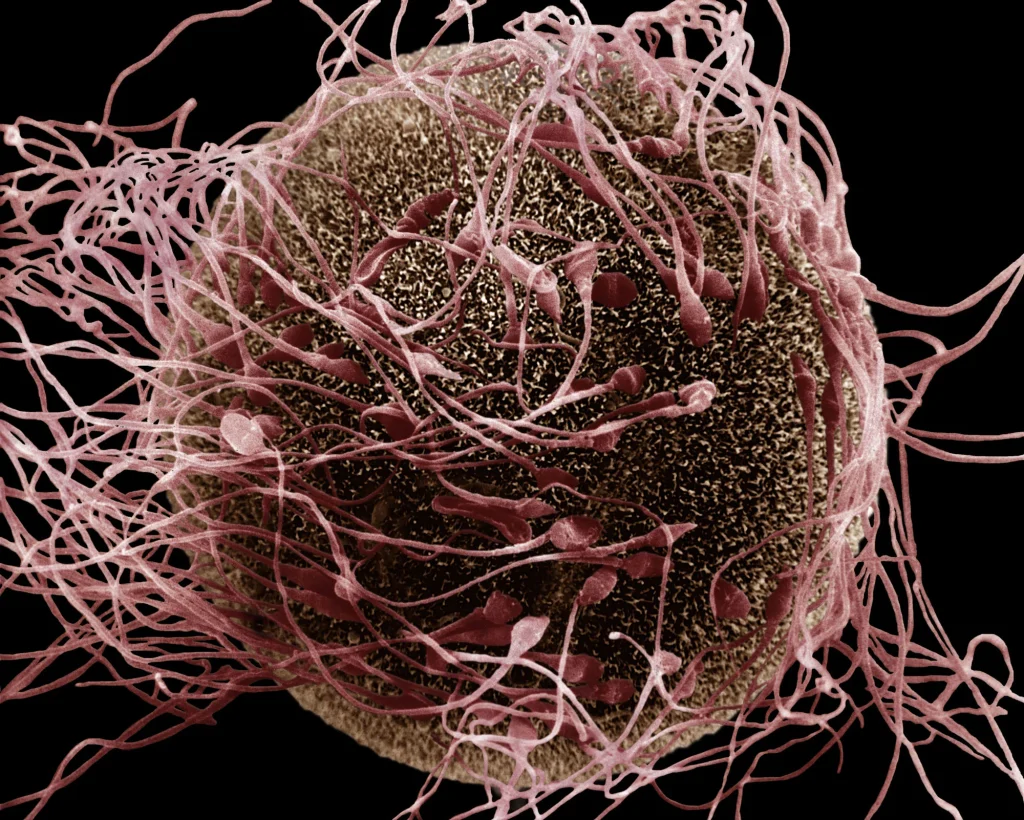
The Ultimate Guide to Egg Donation: Everything You Need to Know
Egg donation can be an emotionally and physically intense process for both the donor and recipient. Donors may experience side effects from the hormone injections, and recipients may face the emotional rollercoaster of hoping for a successful pregnancy. It is important for both parties to have a support system in place and to communicate openly with each other.
One of the most common concerns about egg donation is the potential risks involved. While the procedure itself is generally safe, there is a small risk of complications such as infection, bleeding, or damage to the ovaries. However, with proper screening and monitoring, these risks can be minimized.
Egg donors also have the right to receive compensation for their time, effort, and potential risks involved in the process. The amount of compensation varies depending on the agency and the country, but it is important for donors to understand the legal and financial aspects of egg donation before committing to it.
In addition to the physical and emotional aspects, there are also legal considerations to take into account. Laws and regulations surrounding egg donation vary from country to country, so it is important to seek legal advice and understand the legal implications of egg donation in your specific location.
Egg donation can also have a long-lasting impact on the donor and recipient’s relationship. Some donors and recipients choose to have an open relationship, where they can stay in touch and potentially have future contact. Others prefer to have a more anonymous relationship. It is important for both parties to discuss and agree on their preferences before the donation takes place.
In conclusion, egg donation can be a rewarding and life-changing experience for both donors and recipients. It is important for all parties involved to have a thorough understanding of the process and to have a support system in place. By choosing a reputable agency, undergoing thorough screening, and understanding the potential risks and rewards, egg donation can bring hope and joy to those struggling with infertility.