Blog Post Title: Ovulation Tracking and Your Lifestyle: How Diet and Exercise Impact Fertility
Summary:
Ovulation tracking is a valuable tool for women who are trying to conceive. It involves monitoring changes in the body that indicate when ovulation is occurring, such as changes in basal body temperature and cervical mucus. While ovulation tracking can help increase the chances of getting pregnant, it is important to also consider how lifestyle factors, particularly diet and exercise, can impact fertility.
Diet plays a crucial role in fertility as it affects hormone levels and overall reproductive health. Eating a well-balanced diet that includes whole foods, healthy fats, and a variety of fruits and vegetables is important for maintaining a healthy weight and promoting regular ovulation. In contrast, a diet high in processed foods, unhealthy fats, and added sugars can disrupt hormonal balance and lead to conditions such as polycystic ovary syndrome (PCOS) which can affect ovulation.
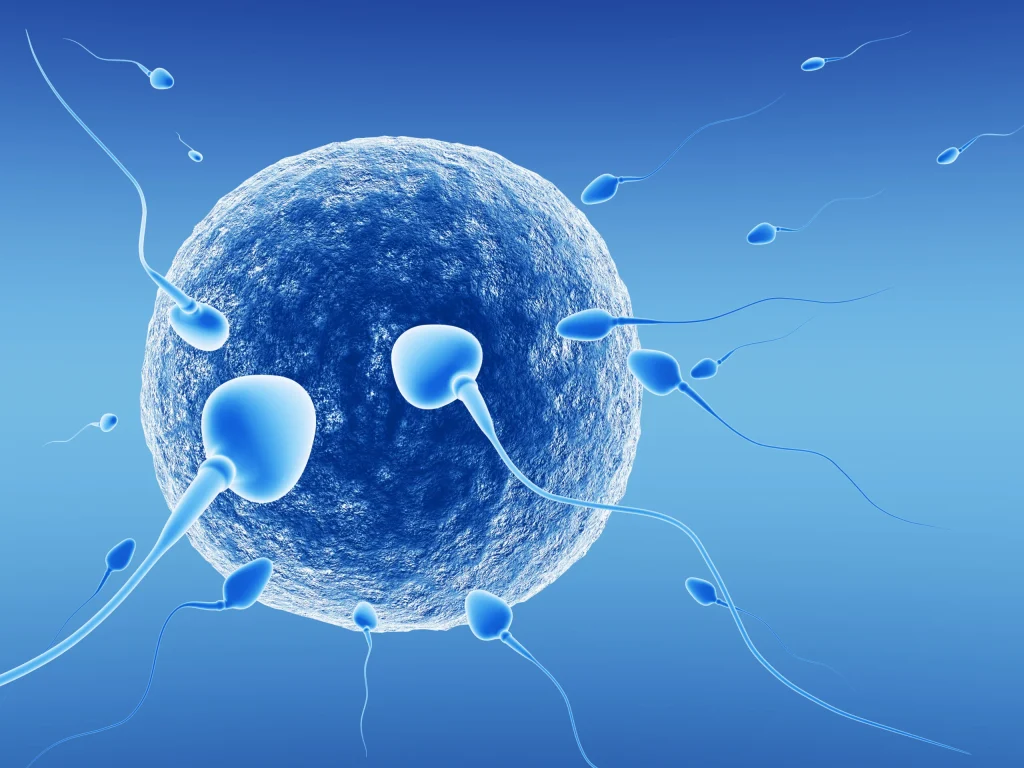
Ovulation Tracking and Your Lifestyle: How Diet and Exercise Impact Fertility
In addition to a healthy diet, regular exercise is also important for fertility. Maintaining a healthy weight through exercise can help regulate hormone levels and improve ovulation. However, excessive exercise or extreme weight loss can also have negative impacts on fertility, so it is important to find a balance and avoid over-exercising.
Stress is another lifestyle factor that can affect fertility. High levels of stress can disrupt the delicate balance of hormones, leading to irregular ovulation and possibly even infertility. Finding ways to manage stress, such as through yoga, meditation, or other relaxation techniques, can be beneficial for both physical and emotional well-being.
Sleep is often overlooked when it comes to fertility, but it plays a critical role in regulating hormones and promoting overall health. Lack of sleep or poor quality sleep can affect hormone levels and lead to irregular ovulation. It is recommended to get 7-9 hours of quality sleep each night to support fertility.
In addition to lifestyle factors, certain environmental toxins and chemicals can also impact fertility. These can include exposure to pesticides, BPA, and other chemicals found in everyday products. It is important to be aware of these potential exposures and take steps to minimize them, such as choosing organic produce, using natural and non-toxic household products, and avoiding plastic containers and water bottles.
In conclusion, ovulation tracking is an important tool for increasing the chances of getting pregnant, but it is also important to consider lifestyle factors that can impact fertility. Maintaining a healthy diet, regular exercise, managing stress, getting enough sleep, and avoiding environmental toxins can all play a role in supporting reproductive health. By making positive lifestyle choices, women can improve their chances of conceiving and have a healthy pregnancy.