Blog Post Title: The Ultimate Guide to Essential Tools for Ovulation Tracking
Ovulation tracking is a crucial aspect of fertility and family planning. By monitoring your ovulation cycle, you can increase your chances of conception or prevent unwanted pregnancy. In the past, tracking ovulation involved tedious manual calculations and guesswork. However, with the advancement of technology, there are now various tools available to make ovulation tracking easier and more accurate. In this blog post, we will discuss the essential tools for ovulation tracking and how they can help you on your journey to parenthood.
1. Ovulation Predictor Kits (OPKs)
OPKs are one of the most popular tools for ovulation tracking. They work by detecting the surge of luteinizing hormone (LH) in your urine, which happens a day or two before ovulation. OPKs are easy to use and can accurately predict when you are most fertile. They come in various forms, such as strips, digital tests, and fertility monitors. It is recommended to start using OPKs a few days before your expected ovulation date to increase the chances of detecting the LH surge.
2. Basal Body Temperature (BBT) Thermometer
Tracking your basal body temperature is another way to predict ovulation. Your BBT is your body’s lowest resting temperature, which increases slightly after ovulation due to the release of progesterone. By charting your BBT every morning, you can identify a rise in temperature, indicating that you have ovulated. BBT thermometers are more sensitive than regular thermometers and can detect minor changes in your body temperature. For accurate results, you must take your temperature at the same time every morning before getting out of bed.
3. Ovulation Tracking Apps
In this digital age, there is an app for everything, including ovulation tracking. Ovulation tracking apps are convenient and user-friendly, making it easy to keep track of your menstrual cycle, fertile days, and symptoms. These apps use various methods, such as BBT tracking, cervical mucus analysis, and OPK results, to predict your fertile window. They also provide useful features like ovulation calendars, reminders, and even community forums to connect with others on a similar journey.
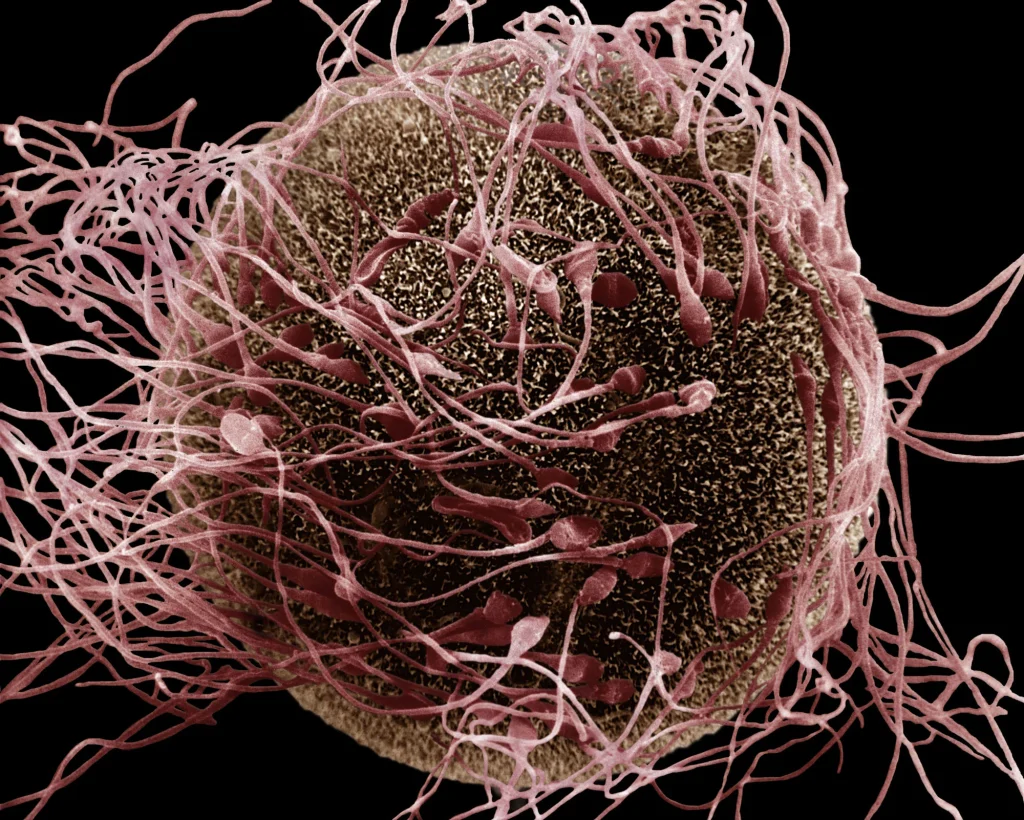
Essential Tools for Ovulation Tracking
4. Cervical Mucus (CM) Monitoring
Cervical mucus, also known as cervical fluid, is a crucial indicator of fertility. As you approach ovulation, your CM changes in consistency and color, becoming clear, slippery, and stretchy. This type of mucus helps sperm travel to the egg and increases the chances of conception. By monitoring your CM and recording its changes, you can identify your most fertile days. You can do this by checking your CM with clean fingers or by using a fertility-friendly lubricant, which mimics the natural consistency of CM.
5. Fertility Monitors
Fertility monitors are advanced devices that combine various tracking methods, such as BBT, CM, and LH surge detection, to predict your ovulation window accurately. These monitors use algorithms and data analysis to track your cycle and provide personalized insights. Some monitors also come with additional features like pregnancy testing, period tracking, and even syncing with your smartphone for easy data management.
6. Ovulation Microscopes
Ovulation microscopes are small, portable devices that use saliva to predict ovulation. They work by detecting changes in the electrolyte levels in your saliva, which increases as you approach ovulation. By using an ovulation microscope, you can observe your saliva under a microscope and identify a fern-like pattern, indicating that you are ovulating. These microscopes are reusable, making them a cost-effective option for long-term ovulation tracking.
7. Fertility Bracelets
Fertility bracelets are wearable devices that use your body’s natural temperature changes to predict ovulation. These bracelets track your skin temperature, which increases slightly after ovulation, and use that data to determine your fertile days. They also come with other features like sleep tracking, stress monitoring, and personalized insights to improve your overall well-being.
In conclusion, ovulation tracking is crucial for anyone trying to conceive or avoid pregnancy. With the right tools, it can be a simple and accurate process. Whether you prefer traditional methods like BBT tracking or modern devices like fertility monitors, there is a tool suitable for every individual’s needs and preferences. By using these essential tools, you can take control of your fertility and make informed decisions about your reproductive health.
Summary: In this blog post, we discussed the essential tools for ovulation tracking, including OPKs, BBT thermometers, ovulation tracking apps, CM monitoring, fertility monitors, ovulation microscopes, and fertility bracelets. These tools make ovulation tracking easier and more accurate, helping individuals on their journey to parenthood. By using a combination of these tools, you can identify your fertile window and make informed decisions about your reproductive health.