Title: Ovulation Tracking and Exercise: Finding the Right Balance
Introduction:
Ovulation is a crucial process for women who are trying to conceive. It is the time when a mature egg is released from the ovary, ready to be fertilized by sperm. However, many factors can affect ovulation, and one of them is exercise. While exercise is essential for overall health and well-being, too much or too little of it can disrupt the delicate balance of hormones needed for ovulation. In this blog post, we will explore the connection between ovulation tracking and exercise and provide tips for finding the right balance.
Understanding Ovulation:
Ovulation is a complex process that involves the release of a mature egg from the ovary. It is regulated by hormones, primarily estrogen and progesterone. These hormones are responsible for preparing the body for pregnancy. During ovulation, the egg travels through the fallopian tube, where it can be fertilized by sperm. If fertilization does not occur, the egg disintegrates, and the uterine lining sheds during menstruation.
Tracking Ovulation:
For women who are trying to conceive, tracking ovulation is crucial. It helps them determine the most fertile days of their menstrual cycle, increasing their chances of getting pregnant. There are several methods for tracking ovulation, including tracking basal body temperature, changes in cervical mucus, and using ovulation predictor kits. These methods can be used individually or in combination to get a more accurate picture of ovulation.
Exercise and Ovulation:
Regular exercise has numerous benefits for women, including maintaining a healthy weight, reducing stress, and improving overall physical and mental well-being. However, when it comes to ovulation, exercise can have both positive and negative effects. Moderate exercise can help regulate hormones and improve ovulation, while excessive exercise can disrupt hormone balance and delay or even stop ovulation. On the other hand, sedentary behavior can also negatively affect ovulation.
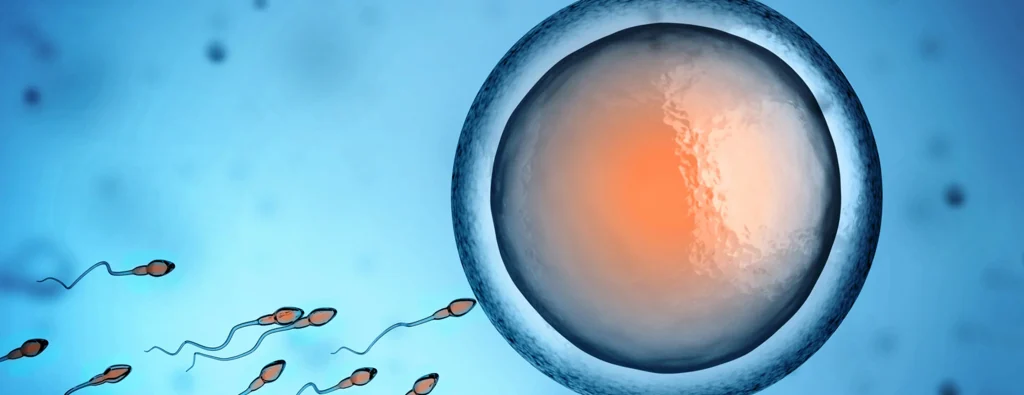
Ovulation Tracking and Exercise: Finding the Right Balance
Finding the Right Balance:
The key to finding the right balance between ovulation tracking and exercise is moderation. Moderate exercise, such as brisk walking, yoga, or cycling, can help regulate hormones and improve ovulation. It is recommended to engage in at least 30 minutes of moderate exercise five days a week. High-intensity exercises, such as running, heavy weight lifting, or long-distance cycling, should be limited to two or three times a week to avoid overexertion.
On the other hand, it is essential to avoid leading a sedentary lifestyle. Sedentary behavior, such as sitting for extended periods, can disrupt hormone balance and negatively affect ovulation. Even if you have a desk job, it is recommended to take short breaks to stand up and move around. Incorporating regular physical activity into your daily routine can also help improve ovulation.
Timing is also crucial when it comes to exercise and ovulation. Women who are trying to conceive should avoid intense exercise during their fertile window, which is usually around day 10 to day 17 of their menstrual cycle. Instead, focus on moderate exercises during this time to support ovulation and increase chances of conception.
Listen to Your Body:
One of the most critical aspects of finding the right balance between ovulation tracking and exercise is listening to your body. Pay attention to how your body responds to different types of exercise and adjust accordingly. If you experience irregular or missed periods, extreme fatigue, or other symptoms that could indicate a disruption in ovulation, it is essential to consult a healthcare provider. They can help you find the right balance between exercise and ovulation.
Conclusion:
In conclusion, exercise and ovulation are closely connected, and finding the right balance between the two is crucial for women trying to conceive. Moderate exercise can improve hormone balance and support ovulation, while excessive exercise or a sedentary lifestyle can have a negative impact. By incorporating regular moderate exercise, listening to your body, and timing exercise appropriately, you can support ovulation and increase your chances of conceiving.