Sperm donation is a process where a man donates his sperm to help couples or individuals who are unable to conceive a child on their own. This process has become increasingly popular and is a vital part of assisted reproductive technology. However, one crucial aspect that is often overlooked is the quality of the sperm being donated. In this blog post, we will discuss the importance of sperm quality in donation and why it should be a top priority for both donors and recipients.
Firstly, let’s understand what sperm quality means. Sperm quality refers to the health and viability of the sperm. This includes factors such as sperm count, motility, and morphology. A high-quality sperm has a better chance of fertilizing an egg and resulting in a healthy pregnancy. On the other hand, poor sperm quality can lead to difficulties in conception or even the birth of a child with genetic abnormalities.
Now, let’s explore why sperm quality is crucial in the context of donation. The main purpose of sperm donation is to help people who are struggling with fertility issues. These could be couples where the male partner has a low sperm count or motility, single women, or same-sex couples. In all these cases, the quality of the donated sperm is of utmost importance. If a couple or an individual is already facing fertility challenges, receiving poor quality sperm could further complicate their journey towards parenthood.
Moreover, sperm donation is often used in procedures such as intrauterine insemination (IUI) or in vitro fertilization (IVF). In these procedures, the sperm is artificially introduced to the woman’s reproductive system, and it is crucial for the sperm to be of high quality to increase the chances of success. If the sperm quality is poor, the success rates of these procedures may decrease significantly.
Another essential factor to consider is the potential health risks associated with using low-quality sperm. If the donated sperm has genetic abnormalities or is infected with sexually transmitted diseases, it can have serious repercussions for both the recipient and the potential child. Therefore, it is vital for sperm donors to undergo thorough medical and genetic testing to ensure the quality and safety of their sperm.
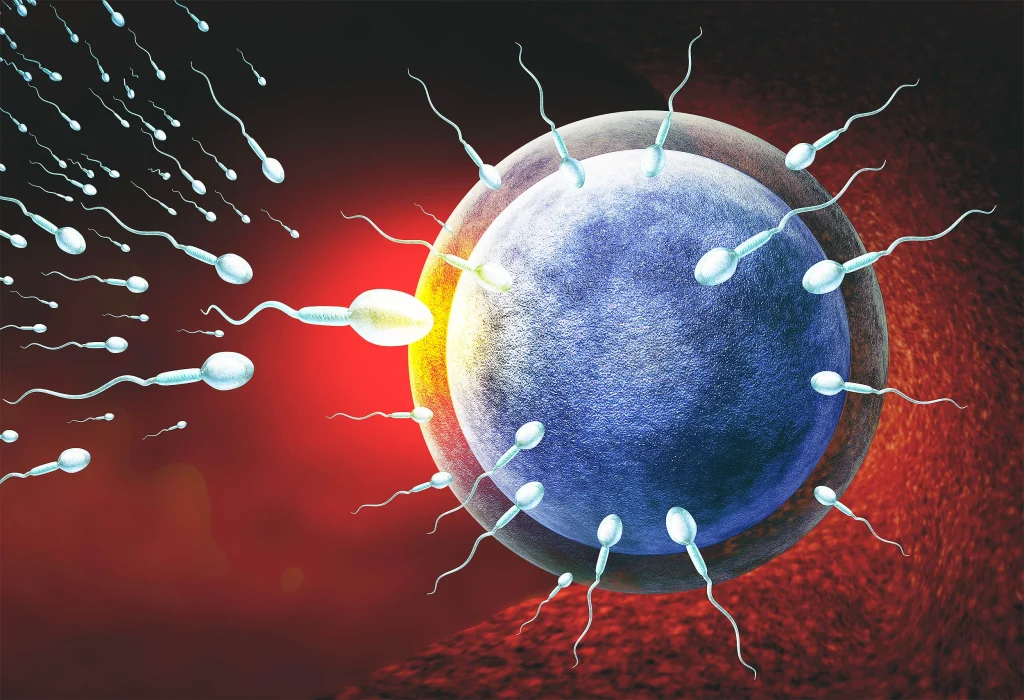
The Importance of Sperm Quality in Donation
Furthermore, sperm quality is not only crucial for the recipients’ success but also for the donor’s satisfaction. Donors who are motivated by the desire to help others may feel discouraged if their sperm is not of good quality and may not be able to fulfill their goal of helping someone else conceive. This can also lead to a decrease in the number of donors and, in turn, affect the availability of sperm for those in need.
Now that we understand the importance of sperm quality in donation, let’s discuss how donors can ensure that they are producing high-quality sperm. The first step is to maintain a healthy lifestyle, including a balanced diet and regular exercise. Smoking, excessive alcohol consumption, and drug use can all have a negative impact on sperm quality. It is also essential for donors to avoid exposure to environmental toxins and excessive heat, such as hot tubs or saunas, which can affect sperm production.
In addition to a healthy lifestyle, donors should also undergo thorough medical and genetic testing before donating their sperm. This includes screening for sexually transmitted diseases, genetic abnormalities, and overall sperm health. This not only ensures the quality and safety of the donated sperm but also protects the recipient and potential child from potential health risks.
In conclusion, the quality of sperm in donation is a crucial factor that should not be overlooked. It is essential for the success of assisted reproductive procedures and the safety of the recipients and potential children. Therefore, donors should prioritize maintaining a healthy lifestyle and undergo thorough medical and genetic testing to ensure the highest quality of their sperm. Recipients should also be aware of the importance of sperm quality and choose a reputable sperm bank that follows rigorous screening and testing protocols. By prioritizing sperm quality, we can help more people achieve their dream of parenthood through sperm donation.
In summary, sperm quality is a critical aspect of sperm donation that should not be overlooked. High-quality sperm is essential for the success of assisted reproductive procedures and the safety of the recipients and potential children. Donors should prioritize maintaining a healthy lifestyle and undergo thorough medical and genetic testing, while recipients should choose a reputable sperm bank that follows strict screening and testing protocols. By prioritizing sperm quality, we can help more people in need of assisted reproduction achieve their dream of parenthood.