Artificial insemination, also known as intrauterine insemination (IUI), is a form of assisted reproductive technology (ART) that involves the direct insertion of sperm into a woman’s uterus in order to achieve pregnancy. While this procedure has been used for decades to help couples struggling with fertility issues, its emotional implications are often overlooked. In this blog post, we will delve into the various emotional factors that are involved in artificial insemination and how they can impact individuals and couples.
First and foremost, the decision to undergo artificial insemination is not an easy one. For many couples, the realization that natural conception may not be possible can be emotionally devastating. The process of coming to terms with infertility can be a rollercoaster of emotions, including grief, anger, and even guilt. The decision to pursue artificial insemination may also come with feelings of shame or inadequacy, as society often places a heavy emphasis on the ability to conceive naturally.
In addition to the emotional impact of infertility, the process of artificial insemination itself can be emotionally taxing. For women, the procedure involves multiple injections and hormonal medications, which can cause mood swings and physical discomfort. The constant monitoring and waiting for the right time to undergo the procedure can also add to the stress and anxiety.
For men, the process of providing a semen sample can also be emotionally challenging. This can be especially true for those who struggle with performance anxiety or feelings of inadequacy. The pressure to produce a viable sample can lead to feelings of stress and guilt, which can, in turn, affect the quality of the sperm.
Once the procedure is completed, the two-week wait for a pregnancy test can be an emotional rollercoaster. The anticipation and uncertainty can cause heightened levels of anxiety and stress, as well as feelings of hope and excitement. If the test is negative, couples may experience a deep sense of disappointment, and the process may need to be repeated, adding to the emotional toll.
On the other hand, if the test is positive, it can bring about a mix of emotions. While couples may feel overjoyed at the prospect of finally achieving pregnancy, they may also experience feelings of fear and uncertainty. The emotional impact of artificial insemination does not end with a positive pregnancy test; it continues throughout the pregnancy and even after the birth of the child.
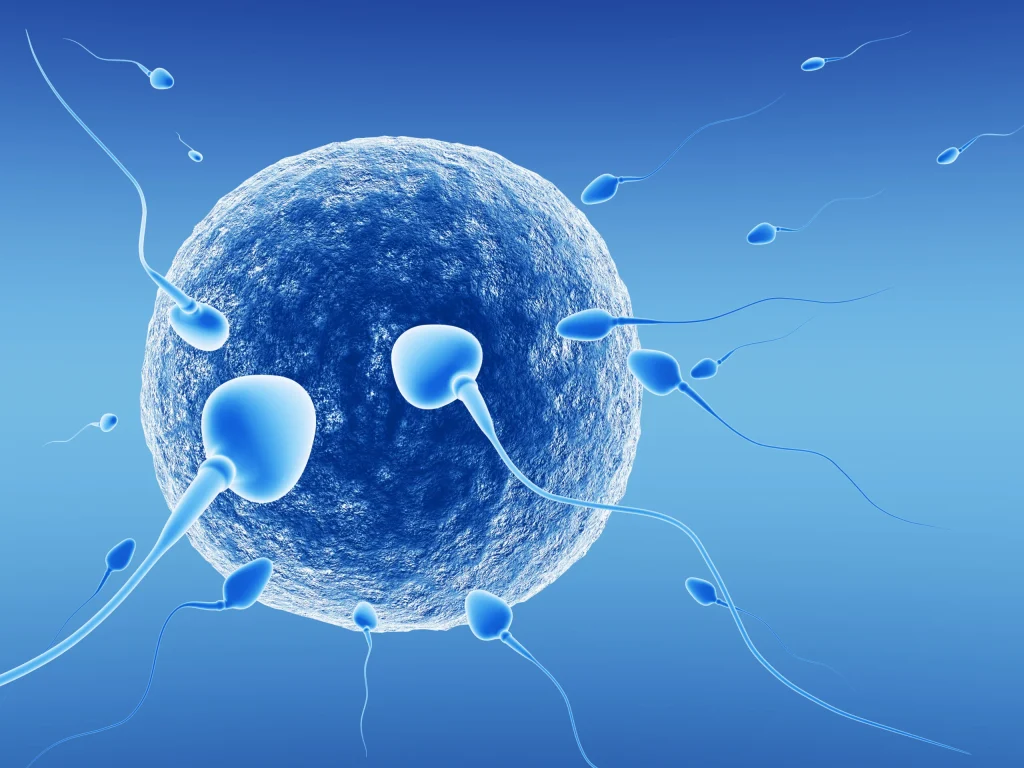
The Emotional Implications of Artificial Insemination
For some couples, the use of donor sperm or eggs may be necessary for artificial insemination. This adds a new layer of complexity to the emotional implications. The use of donor gametes can bring about feelings of loss, as couples may mourn the loss of a genetic connection to their child. It may also lead to concerns about how the child will feel about their biological origins in the future.
The emotional impact of artificial insemination is not limited to couples struggling with infertility. Same-sex couples and single individuals who choose to undergo the procedure may also face emotional challenges. These individuals may have to face societal stigma and discrimination, as well as navigate the complex emotions surrounding the use of a donor.
It is essential to recognize and address the emotional implications of artificial insemination. Seeking support from a therapist or joining a support group can be beneficial for individuals and couples going through this process. It is also crucial for healthcare professionals to provide emotional support and counseling to patients undergoing artificial insemination.
Additionally, it is essential for individuals to take care of their mental and emotional well-being during this process. This can include practicing relaxation techniques, maintaining a healthy lifestyle, and seeking support from loved ones.
In conclusion, the emotional implications of artificial insemination cannot be ignored. The decision to undergo this procedure, the process itself, and the outcomes can all have a significant impact on individuals and couples. It is essential to recognize and address these emotions in order to support individuals and create a more positive experience for all involved.
SEO metadata: