Artificial insemination, also known as intrauterine insemination (IUI), is a fertility treatment that involves placing sperm directly into a woman’s uterus to increase the chances of pregnancy. This assisted reproductive technology has been around for more than a century, and has helped many couples and individuals achieve their dream of having a child. However, like any medical procedure, it also has its own set of pros and cons that should be carefully considered. In this blog post, we will delve into the various aspects of artificial insemination and provide you with the information you need to make an informed decision.
Pros:
1. Increased chances of pregnancy: One of the main advantages of artificial insemination is that it significantly increases the chances of pregnancy. By placing the sperm directly into the uterus, it eliminates the need for the sperm to travel through the cervix and into the fallopian tubes, which can be a difficult journey for the sperm. This increases the chances of fertilization and pregnancy.
2. Non-invasive procedure: Artificial insemination is a relatively simple and non-invasive procedure compared to other fertility treatments such as in vitro fertilization (IVF). It does not require any major surgery or anesthesia, making it a less daunting option for those who are seeking fertility treatment.
3. Suitable for various fertility issues: Artificial insemination can be a suitable option for a wide range of fertility issues. It can help couples who have unexplained infertility, mild endometriosis, or low sperm count. It can also be used for single women or same-sex couples who want to conceive.
4. Cost-effective: Compared to other fertility treatments, artificial insemination is relatively more affordable. The procedure itself is less expensive, and it also requires fewer medications and monitoring appointments. This makes it a more accessible option for those who are unable to afford other treatments.
5. Can be timed with ovulation: Artificial insemination can be timed with a woman’s ovulation cycle, increasing the chances of success. This is especially beneficial for women who have irregular cycles or those who have difficulty tracking their ovulation.
Cons:
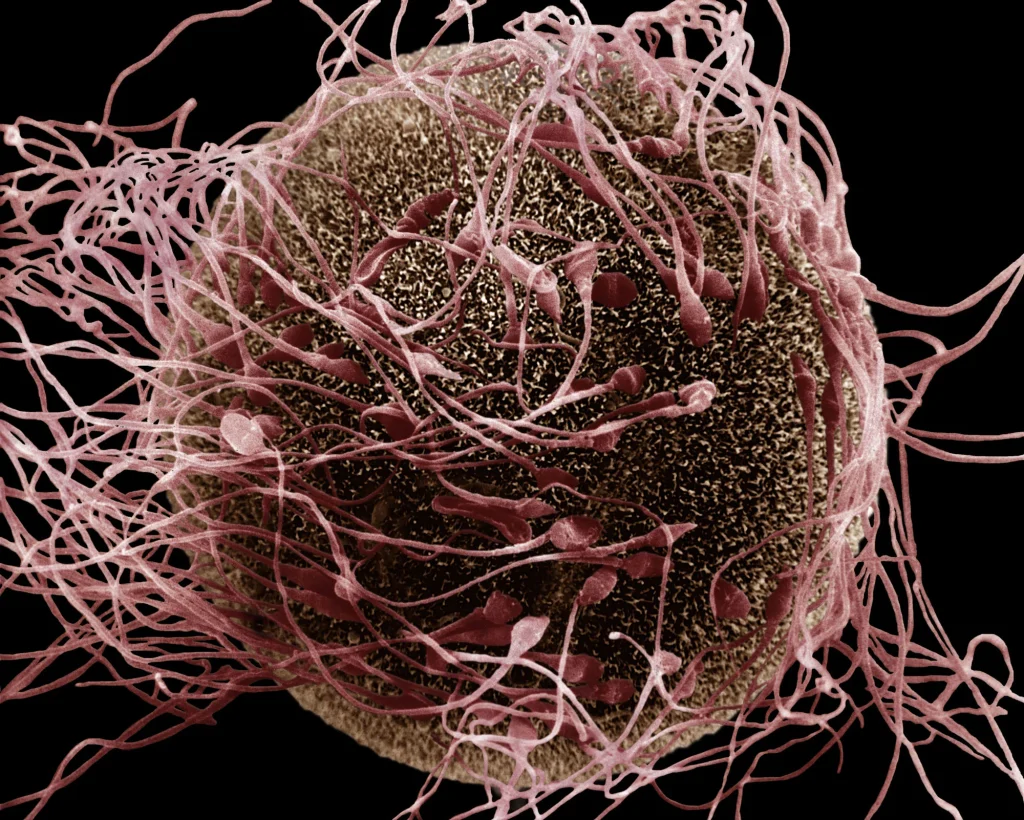
The Pros and Cons of Artificial Insemination: What You Need to Know
1. Not a guaranteed success: While artificial insemination can increase the chances of pregnancy, it is not a guaranteed success. The success rates vary depending on factors such as age, overall health, and fertility issues. It may take multiple attempts before a successful pregnancy is achieved.
2. Potential for multiple pregnancies: Artificial insemination can increase the chances of multiple pregnancies, which can be a concern for some. This can lead to a higher risk of complications during pregnancy and delivery, as well as the need for specialized care.
3. Requires careful screening of sperm donor: If you are using donor sperm for artificial insemination, it is essential to carefully screen the donor for any potential genetic or medical issues. This is to ensure the health and well-being of the child.
4. Risk of infection: As with any medical procedure, there is a risk of infection with artificial insemination. This can be minimized by using sterile equipment and following proper hygiene practices.
5. Emotional and psychological impact: Fertility treatments can take a toll on a person’s emotional and psychological well-being. The process of artificial insemination, with its ups and downs, can be emotionally draining for some individuals and couples.
In conclusion, artificial insemination has its own set of pros and cons that should be carefully considered before making a decision. It is a viable option for couples and individuals struggling with fertility issues, but it is not a guaranteed success and may require multiple attempts. It is essential to discuss all options with a fertility specialist and make an informed decision based on individual circumstances.
Summary:
Artificial insemination, also known as intrauterine insemination (IUI), is a fertility treatment that involves placing sperm directly into a woman’s uterus to increase the chances of pregnancy. While it has been a successful option for many couples and individuals struggling with fertility issues, it also has its own set of pros and cons. The pros include increased chances of pregnancy, a non-invasive procedure, suitability for various fertility issues, cost-effectiveness, and the ability to time with ovulation. However, it is not a guaranteed success and may lead to multiple pregnancies, requires careful screening of sperm donors, has a risk of infection, and can have emotional and psychological impacts. It is essential to carefully consider these factors before making a decision and to discuss all options with a fertility specialist.