Blog Post Title: A Balancing Act: Navigating the Physical and Emotional Risks of Artificial Insemination in 2025
Summary:
Artificial insemination has been a controversial topic for decades, but with advancements in technology and changes in societal attitudes, it has become a more common method of conception. In 2025, artificial insemination is expected to become even more prevalent, but with it comes both physical and emotional risks that need to be carefully considered.
Firstly, we will explore the physical risks associated with artificial insemination in 2025. With the rise of at-home insemination kits and online sperm donors, there is a concern for the potential spread of sexually transmitted infections (STIs). Without proper medical screening and testing, individuals may unknowingly be exposing themselves to serious health risks. This makes it crucial for individuals to seek out reputable clinics and donors who follow strict screening protocols.
Another physical risk to consider is the potential for multiple pregnancies. With the use of fertility drugs and techniques such as intrauterine insemination (IUI), there is a higher chance of conceiving multiples. While this may be a desired outcome for some, it also comes with increased health risks for both the mother and babies. Proper medical supervision and care is crucial to mitigate these risks.
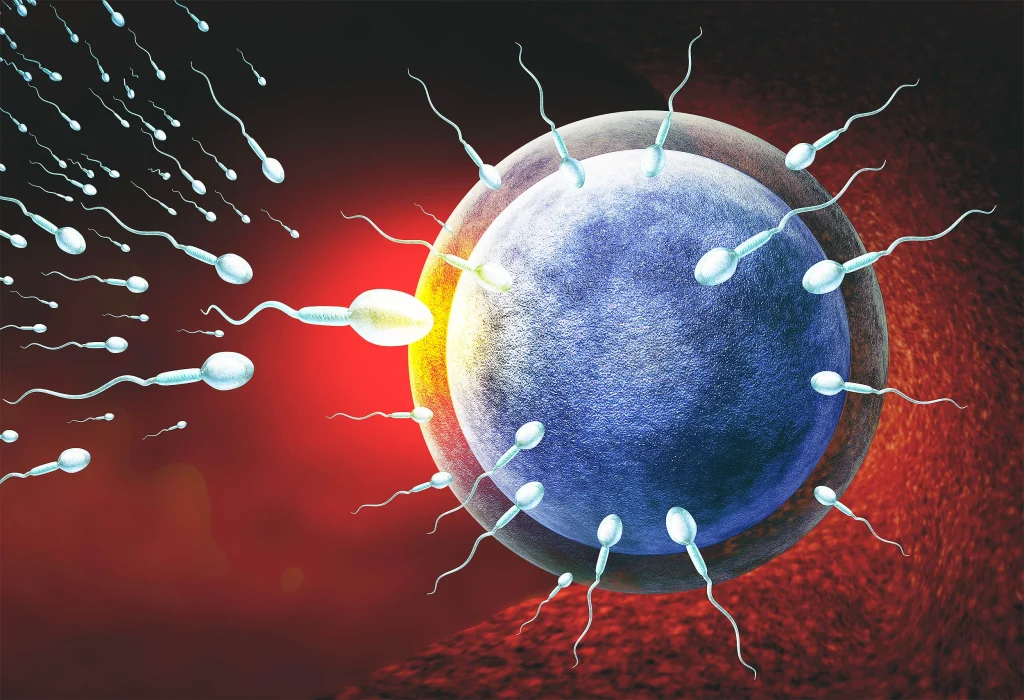
A Balancing Act: Navigating the Physical and Emotional Risks of Artificial Insemination in 2025
In addition to physical risks, there are also emotional risks that come with artificial insemination in 2025. The process of trying to conceive can be emotionally taxing, especially for those who have been struggling with fertility issues. The pressure to conceive and the disappointment that comes with failed attempts can take a toll on mental health. It is important for individuals to seek support from loved ones and mental health professionals to navigate these emotions.
Another emotional risk is the potential for disappointment or confusion when it comes to the involvement of the sperm donor. With at-home insemination and online sperm donation, there may be less control and transparency in the process, leading to potential conflicts or misunderstandings between the donor and the recipient. It is important for individuals to have open and honest communication and to set clear boundaries and expectations.
Despite the potential risks, artificial insemination in 2025 also offers many benefits. It provides individuals and couples with the opportunity to start a family, regardless of sexual orientation or fertility issues. It also allows for more control and choice in the process, as individuals can choose their desired donor and method of conception.
However, it is crucial for individuals to carefully consider the physical and emotional risks involved in artificial insemination and to make informed decisions. Seeking out reputable clinics and donors, undergoing proper medical screening, and seeking emotional support are all important steps in mitigating these risks.
In conclusion, artificial insemination in 2025 is a balancing act between the desire to start a family and the potential physical and emotional risks involved. With proper precautions and support, individuals can navigate these risks and have a successful and fulfilling journey towards parenthood.