Summary:
As more and more people delay starting a family until later in life, the issue of age and fertility has become increasingly relevant. For women, the peak of fertility is typically in their 20s and early 30s, and as they age, the chances of conceiving naturally decreases. However, with advancements in technology and medical procedures, artificial insemination has become a popular option for those struggling with fertility issues. In this blog post, we will take a closer look at the future of artificial insemination success rates and how it can provide hope for individuals and couples looking to start a family later in life.
First, we will explore the basics of artificial insemination and how it works. Artificial insemination involves the placement of sperm directly into the cervix, uterus, or fallopian tubes, bypassing the need for natural fertilization. This method is commonly used for couples where the male partner has a low sperm count or poor sperm quality, or for single women or same-sex couples who want to have a child. It can also be used for women who have difficulty conceiving due to issues with their reproductive organs.
One of the key factors in the success of artificial insemination is the age of the woman. As mentioned earlier, fertility declines with age, and this is true for artificial insemination as well. According to a study by the American Society for Reproductive Medicine, the success rates for artificial insemination decrease significantly for women over the age of 35. This is due to a decline in both the quantity and quality of a woman’s eggs as she gets older. However, this does not mean that older women cannot successfully conceive through artificial insemination. With the help of fertility specialists and advanced techniques, the success rates can still be high for women in their late 30s and even early 40s.
One of the main ways that fertility specialists are improving success rates for artificial insemination is through the use of donor eggs. As a woman ages, her eggs may become less viable, making it more difficult to conceive. Donor eggs, usually from a younger woman, can be used to increase the chances of successful fertilization and pregnancy. This option has become more popular in recent years, and with the advancements in technology, it has become easier to find and use donor eggs from a reputable source.
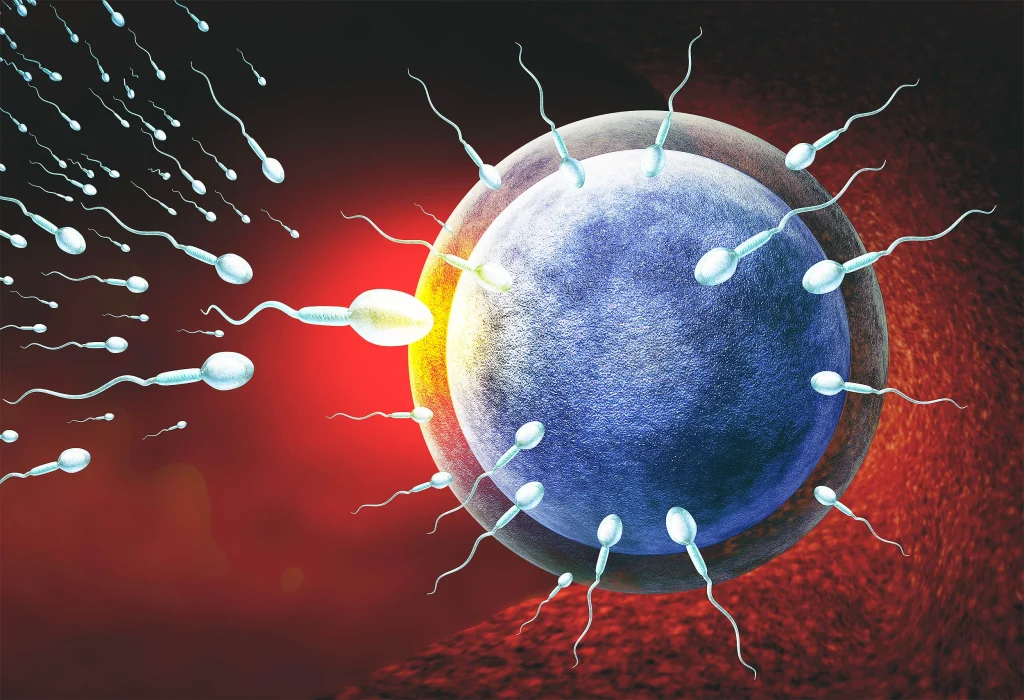
Age and Fertility: A Look at the Future of Artificial Insemination Success Rates
Another factor that can impact the success rates of artificial insemination is the quality of the sperm. As mentioned earlier, this method is commonly used for couples where the male partner has low sperm count or poor sperm quality. However, with the help of advanced techniques such as intracytoplasmic sperm injection (ICSI), where a single sperm is directly injected into an egg, even men with severe fertility issues can still have a chance of fathering a child through artificial insemination. This has greatly increased the success rates for couples who would have previously struggled to conceive through this method.
In addition to advancements in technology, there are also lifestyle factors that can impact the success rates of artificial insemination. For example, smoking and excessive alcohol consumption can decrease fertility in both men and women. Therefore, making healthy lifestyle choices can greatly improve the chances of a successful pregnancy through artificial insemination.
Looking towards the future, there is much promise for further improvements in artificial insemination success rates. With the rapid advancement of technology, fertility specialists are constantly finding new ways to improve the process and increase the chances of successful pregnancy. For instance, the use of time-lapse imaging to select the healthiest embryos for implantation has shown promising results in increasing success rates for artificial insemination. Additionally, the development of genetic screening techniques can help identify any potential issues with the embryos before implantation, reducing the risk of failed pregnancies.
Moreover, there is ongoing research in the field of artificial insemination, including the use of stem cells to create reproductive cells and the development of artificial sperm and eggs. These advancements could potentially provide hope for individuals and couples who struggle with fertility issues, regardless of age.
In conclusion, while age and fertility may seem like a daunting issue for those looking to start a family later in life, the future of artificial insemination success rates is promising. With advancements in technology, the use of donor eggs, and lifestyle changes, the chances of successful pregnancy through this method are higher than ever before. As research and technology continue to progress, the possibilities for individuals and couples struggling with fertility issues are endless.