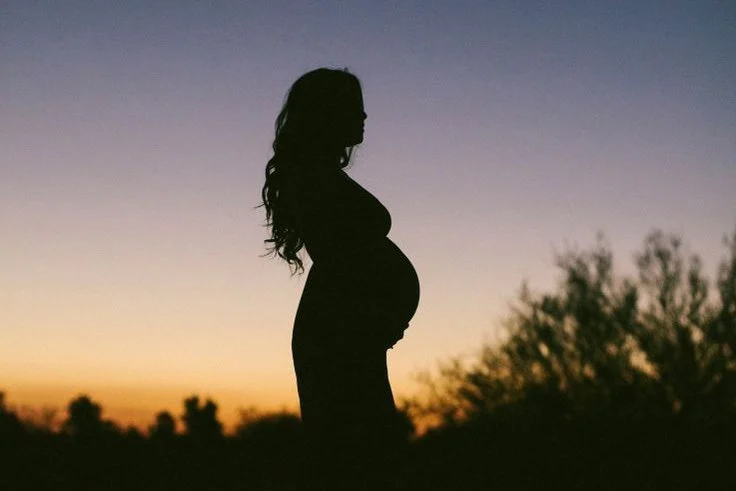
Let me share my story: I experienced four pregnancy losses, and with each one, I found myself feeling resentment towards my partner.
My first loss was an ectopic pregnancy, where the embryo developed in my left fallopian tube, necessitating emergency surgery to save my life. The day after the surgery, while I was recovering in bed, my partner, Jake, went to a hockey game with a friend. When I vented my frustrations to a confidant, she recounted her own experience: “When I had my miscarriage, my husband went on vacation.” This seems to be a common reaction among some partners after a pregnancy loss. Psychologists refer to it as avoidance, and I found it downright frustrating.
Throughout the ordeal of my four losses (two ectopic pregnancies, one first-trimester miscarriage, and one second-trimester miscarriage), Jake immersed himself in various projects. He became engrossed in mountain biking, mapping out different trails, leaving notes scattered throughout the house. He took long runs, volunteered for local initiatives he had previously ignored, and even became obsessed with cleaning—one day I caught him scrubbing the patio. At one point, he enrolled in a disaster preparedness course, researching bizarre topics like, “Can you drink pool water in an emergency?” I couldn’t help but wonder if his actions were a metaphor, as if our losses had made him feel so fragile that he needed to prepare for the worst.
One thing he didn’t prioritize was discussing our losses. I craved conversations about what we had gone through, but this conflicted with his desire to “move on.” He seemed determined to act as if nothing had happened, while I felt like I was falling apart—mentally and physically. To me, it appeared he wasn’t grieving at all; he was too busy to be affected.
It took time, and couples therapy, for me to understand that Jake was, indeed, grieving—just in his own way. While co-authoring “All the Love: Healing Your Heart and Finding Meaning After Pregnancy Loss,” I discussed at length with my colleagues, a social worker and a psychologist, how couples often struggle after such losses, largely due to differing grieving styles. As grief expert David Kessler noted in a podcast with Brené Brown, “I do not believe child loss causes divorce; rather, the judgment of each other’s grief leads to it.”
And the risk of divorce after a loss is very real. A study tracking over 7,000 couples for fifteen years found that those who experienced a miscarriage were 22 percent more likely to separate than those who did not, with the risk even higher for those who faced stillbirth. This increased chance of divorce can linger for up to a decade after the loss.
If you are experiencing resentment towards your partner after a pregnancy loss and wish to preserve your relationship, consider these insights:
- Remember, he lost a baby too. Although he didn’t carry the baby, he was just as excited about becoming a parent. I can still picture the joy in Jake’s eyes when I first told him I was pregnant. It’s easy to overlook his disappointment in our losses when you’re engulfed in your own pain. But fathers grieve as well. Research on stillbirth indicates that fathers often experience grief suppression, job-related issues, and even increased substance abuse. It’s tough for them, too.
- He probably feels helpless. Jake is a natural problem-solver, and there’s no clear “fix” for the grief stemming from pregnancy loss. This uncertainty can be unsettling for many partners, leading them to withdraw: “If I can’t fix it, I don’t want to deal with it.” This retreat is a reflection of their own pain.
- He’s likely scared, too. At one point, Jake expressed, “You’re my rock. I don’t know what to do when you’re crumbling.” He feared he would lose me in an irreparable way and that I would never recover from our losses. If we had both acknowledged our fears, it could have created an opportunity for comfort and made the journey smoother.
- It’s not that he doesn’t care; he’s just trying to stay strong. Men are often taught to suppress emotions to appear strong and in control. This societal conditioning can make it easier to empathize with Jake.
- Sometimes you need support from others. The expectation that a spouse should fulfill every emotional need can be overwhelming. Instead of dwelling on Jake’s inability to provide certain support, I learned to seek comfort from friends and family. Reaching out wasn’t a sign of giving up on our marriage; it alleviated pressure off it. Once I found external support, my frustration with Jake lessened. My needs were being met, even if not always by him, which ultimately saved our relationship.
- Remember the bigger picture. Grief can be intense but is cyclical. A few years have passed since our losses, and we now have a beautiful daughter. This journey strengthened our bond as a couple. It may sound cliché, but it’s true. We’ve gained confidence in our resilience together. I now know we can endure much.
If you’re interested in further insights on this topic, check out this blog post. For additional resources on pregnancy and home insemination, visit CDC’s excellent resource. If you’re seeking fertility solutions, consider this authority on the topic.
Related Topics:
- Coping with pregnancy loss
- Emotional support after miscarriage
- Understanding grief in couples
- Navigating relationships after loss
- Resources for grieving parents
In summary, navigating grief after pregnancy loss can be challenging, especially when partners cope in different ways. Recognizing that both individuals are grieving, seeking external support, and maintaining open communication can help preserve the relationship. Ultimately, these experiences can lead to greater resilience and understanding between partners.