A patient once asked me, “Are you planning to get the COVID vaccine, doc?” Her expression was a mix of curiosity and concern, especially since my hospital had just opened up sign-ups for healthcare workers. This felt like the first sign of hope for a return to normal life. I didn’t want to discourage her from getting vaccinated, but I hesitated. I had a secret: I was in the early stages of pregnancy. With pregnant women excluded from initial COVID-19 vaccine trials, I found myself uncertain about whether I should receive the vaccine. A quick online search didn’t yield the definitive answer I was hoping for. Forums on my pregnancy app were filled with posts debating the pros and cons of vaccination, indicating that I wasn’t alone in my confusion.
If I had been in a more direct “frontline” role, like my colleagues in the ER, ICU, or anesthesia, the choice would have been more straightforward. Those doctors care for the most critically ill patients, and their exposure levels are undeniably high. As an outpatient physician, my risk was moderate. I often interacted with patients who tested positive shortly after visiting me. Although I wore personal protective equipment (PPE), there were instances when I needed to examine patients closely or when they inadvertently removed their masks while talking. Outside of work, my toddler attended daycare, which added to my exposure risk, especially in a city with high infection rates. Each day felt like a countdown until I might contract the virus.
The exclusion of pregnant women from research trials is not new; they have historically been left out due to ethical concerns about potential risks to both mother and fetus. This lack of data often places pregnant women in a difficult position regarding even necessary medications, as many hesitate to use them without clear evidence of safety for their developing babies. I had my own struggles during my first pregnancy, grappling with the use of steroid ointments for psoriasis. Despite reassurances from my doctors, I was anxious about potential risks, and I realized how motherhood could amplify such concerns.
In the absence of conclusive data, I turned to expert guidance. In the U.S., the American College of Obstetrics and Gynecology and the Society of Maternal-Fetal Medicine released a joint statement advocating for the inclusion of pregnant women in vaccine trials and supporting their right to discuss vaccination options with their healthcare providers. The initial recommendations from the World Health Organization to avoid vaccination during pregnancy were quickly retracted after backlash, highlighting the need for women to have autonomy in their health decisions.
I approached my decision similarly to how I would guide my patients regarding routine vaccinations, weighing the vaccine’s benefits against the risks of the virus itself. My obstetrician strongly recommended vaccination, emphasizing that the risks posed by COVID-19 far outweighed any potential vaccine risks. Data from the CDC indicates that pregnant women are at a higher risk for severe outcomes from COVID-19, including ICU admission and death. Some studies also suggest links between COVID-19 and preterm delivery and cesarean births. With pregnant women often excluded from treatment trials, those who contract COVID-19 face uncharted territory.
Understanding how mRNA vaccines function helped ease my mind. Both the Moderna and Pfizer vaccines utilize mRNA to instruct our immune systems to produce the spike protein found on the virus. The mRNA used in the vaccines doesn’t integrate into our genetic material and is destroyed shortly after it serves its purpose. This means the theoretical risk of fetal harm is extremely low. Additionally, studies on animal models of the Moderna vaccine have not revealed safety concerns for fetal development.
Though I wished I could wait for more definitive clinical trial results, the reality of the pandemic pushed me to make an informed choice. In medicine, we often confront unprecedented situations, and science is about making educated guesses based on existing knowledge. While I empathized with other pregnant women facing similar dilemmas, I recognized that avoiding vaccination out of fear of the unknown was not a valid justification against the known dangers of COVID-19.
Ultimately, I decided to trust the science. I received both doses of the vaccine with only mild side effects. Continuous visits to my obstetrician revealed a strong heartbeat for my baby. The CDC’s V-safe program helped monitor vaccine side effects and included questions about my pregnancy status, and I also contributed my data to a University of Washington registry on vaccination in pregnancy. Even though I couldn’t participate in a clinical trial, contributing to this registry felt meaningful. I got vaccinated to protect not only myself and my family but also my vulnerable patients and other pregnant women who might be overlooked.
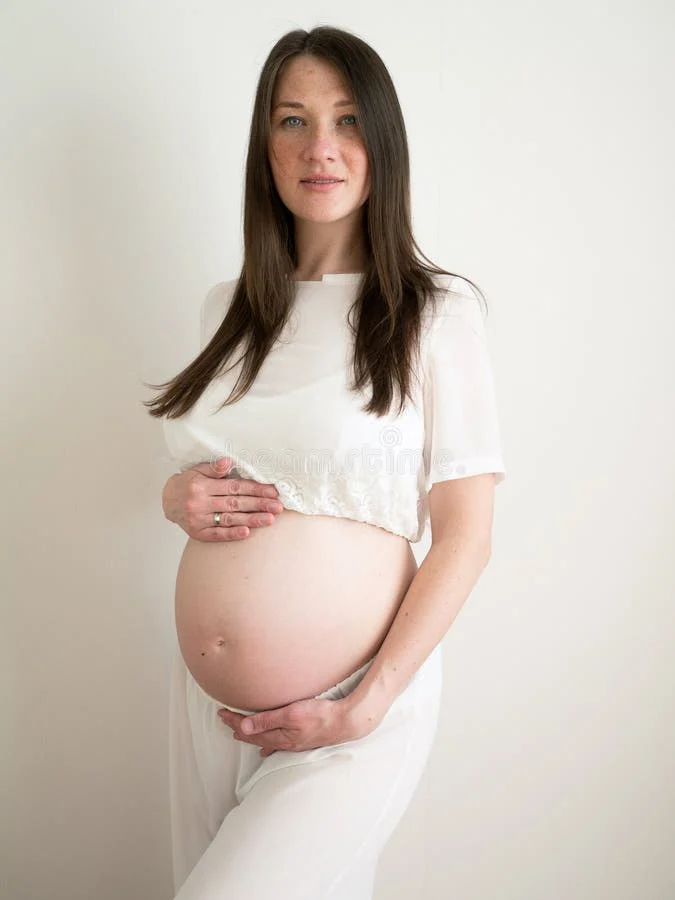
As I await the arrival of my baby, I often find myself placing my hands on my growing belly, filled with a mix of hope and anxiety. I hope that my maternal antibodies will provide protection, allowing my child to meet their grandparents safely and be born into a world where science prevails over politicization. Perhaps this emotional rollercoaster—anxiety intertwined with hope—is just another aspect of the journey of motherhood.
Search Queries:
- COVID vaccine pregnancy safety
- Benefits of COVID vaccination for pregnant women
- mRNA vaccines and pregnancy
- Pregnant women and COVID-19 risks
- Vaccination choices during pregnancy
Summary:
As a pregnant physician, I faced the dilemma of whether to receive the COVID-19 vaccine due to the lack of data on its safety for pregnant women. After weighing the risks of the vaccine against the dangers of COVID-19, I made the decision to get vaccinated, guided by expert recommendations and scientific understanding. My experience reflects the challenges many pregnant women encounter in decision-making during the pandemic, but ultimately, I chose to prioritize my health and that of my baby.