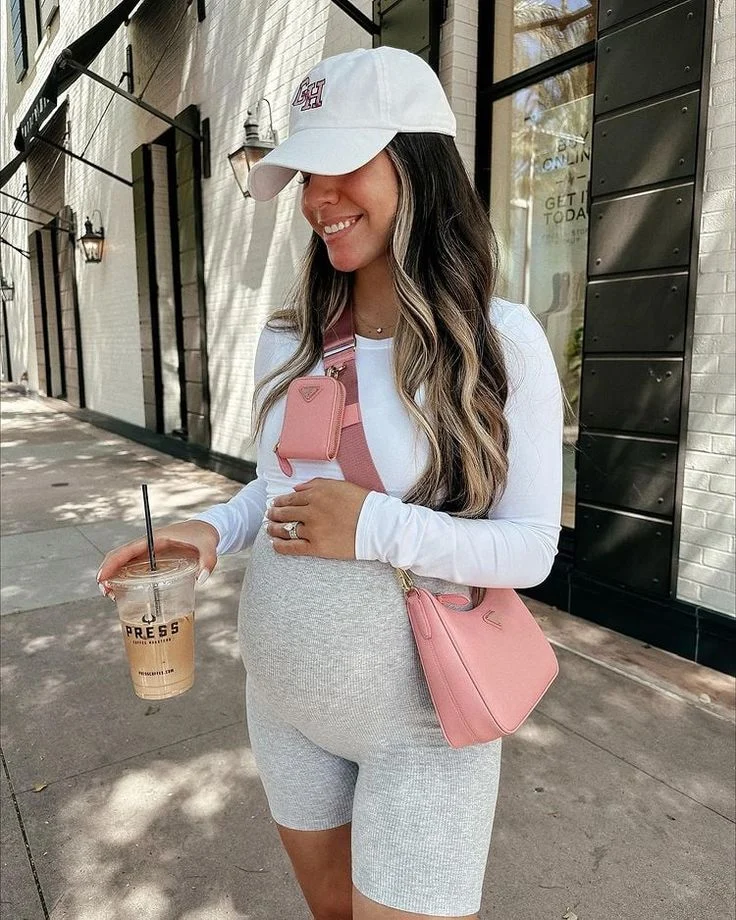
In a society rife with insecurities and exclusive social circles, it’s vital to embody a welcoming spirit, much like Sarah from Amy’s Community.
When I relocated to Austin two years ago, I was a complete stranger in a new city. After spending nearly a decade in Seattle nurturing friendships, the thought of starting over was daunting. Building a social circle from the ground up felt akin to navigating the complexities of dating; you meet potential friends at local events or through school activities and gradually peel back the layers of connection, discerning who fits into your life.
Meeting Sarah
It was at a PTA meeting during my first year in Austin that I met Sarah. Our initial conversations were filled with the usual small talk and polite exchanges typical of new acquaintances. However, everything changed the following summer when our children joined the same swim team. As we gathered by the pool night after night, I observed Sarah’s unwavering commitment to inclusivity. She had a knack for spotting anyone sitting alone and would warmly invite them over to join our group. “Hey, Jessica! What are you doing all the way back there? Come on over! Everyone, meet Jessica—her daughter is in second grade with mine!” Her efforts to ensure everyone felt included were truly uplifting.
The Power of Inclusivity
Sarah is one of the most welcoming individuals I’ve ever encountered. She effortlessly strikes up conversations with strangers, whether it’s at a local event or while waiting in line at a café. Many discussions around motherhood emphasize the importance of inclusivity. Women often grapple with feelings of exclusion or yearn for invitations to gatherings. Social dynamics from childhood can linger well into adulthood. Sarah, having faced significant bullying as a child, chose to transform her painful experiences into a mission of compassion and kindness.
“Second grade was particularly tough for me,” she shared. “I was held back in reading and even lost a tooth in an accident. My so-called friends turned on me, calling me names and mocking my appearance. It was my first real taste of not belonging.” Despite her insecurities lasting for years, she found the strength to redefine herself when she switched schools before high school. “That was my opportunity to rewrite my narrative,” she explained. “I decided to open my heart to others to ensure they wouldn’t feel as isolated as I once did.”
Nurturing Connections
Sarah’s nurturing attitude has carried over into her motherhood journey, where she encourages finding kindred spirits through diverse activities. “When my son was little, we tried various playgroups, dance classes, and swimming lessons,” she recounted. “Ultimately, we discovered our tribe among the swim families. Friendships should flow naturally. If they require excessive effort, they might not be worth pursuing.”
While Sarah, like many, still wrestles with insecurities, she remains acutely aware that everyone carries their own burdens. As school begins anew, it’s the perfect moment for mothers to model kindness and friendship for their children. “The best way to forge a new connection? Greet someone with a big smile,” she advised. “A simple smile can ease another person’s worries about reaching out.”
Further Insights
For further insights on building connections and fostering community, you might find this piece beneficial: link. Additionally, for those exploring home insemination options, this resource provides valuable information. If you’re interested in pregnancy and insemination, this site is an excellent resource.
Conclusion
In summary, fostering inclusivity and kindness in our communities, much like Sarah exemplifies, can transform the social landscape for mothers and their children alike.