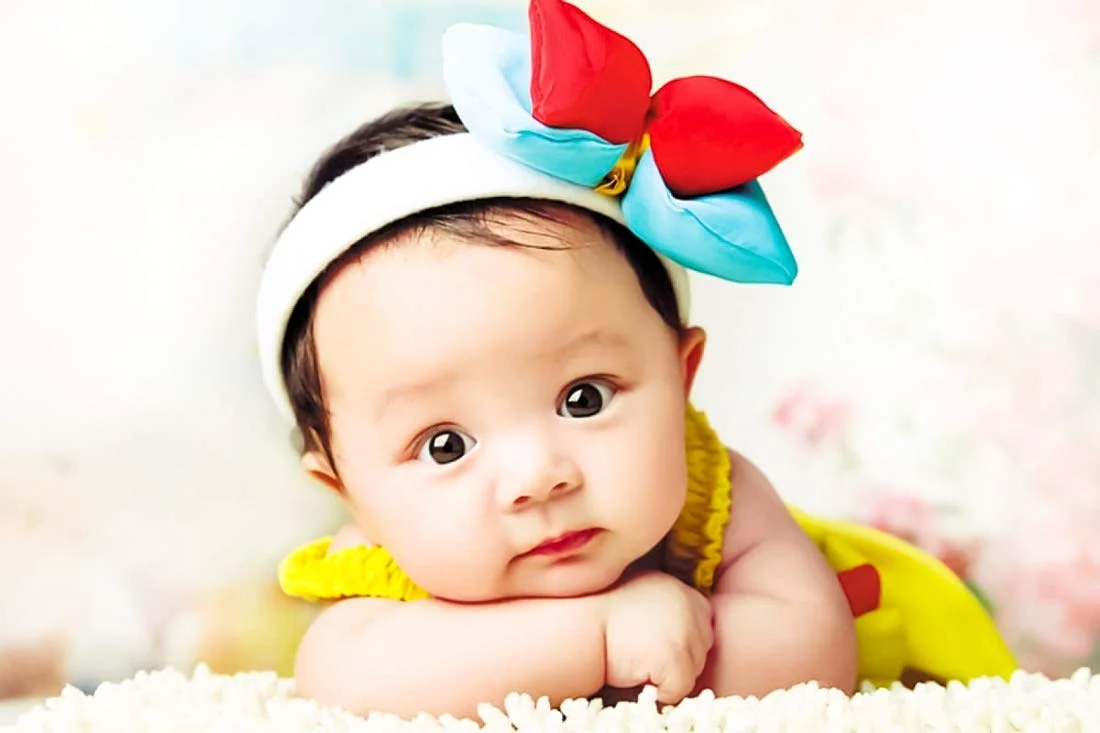
As a parent of two children who often defy traditional gender norms, I’ve encountered my fair share of misgendering. My son has frequently been mistaken for a girl since he was a baby, largely due to his stunning eyelashes and attractive features. Now that he’s older, his long hair seems to be the main reason for the confusion. Strangers rarely refer to him as a “he.”
My daughter, being the younger sibling, often wears her brother’s hand-me-downs. While I’ve added some floral dresses and fun outfits to her wardrobe, she often sports jeans, black hoodies with dinosaur spikes, and gray tees featuring motorcycles or bears. Unlike her brother, she lacks an abundance of hair, which also leads to occasional comments about how cute a little boy she is.
Most of the time, I don’t feel the need to correct anyone. My kids are usually too preoccupied to notice, and when my son does catch someone calling him a girl, he sometimes corrects them himself. I’m perfectly fine with this approach. Generally, we let these moments slide because it doesn’t affect our day. Misgendering my children isn’t a big deal.
However, I do make an effort to correct people in specific situations, such as at playgroups or when meeting someone I think we’ll see again. It can be awkward for someone to realize after several encounters that my daughter is actually a girl, especially after being called “Little Dude” for months. When I make a correction, I’m often met with a flurry of apologies from the other person, who seems genuinely embarrassed. “I’m so sorry!” they say, but I reassure them that it’s okay. It’s not like they’ve committed a major offense; they just used the wrong pronoun. Let’s move on.
I’ve always found it puzzling how horrified people seem when they misjudge the gender of a baby. Who can accurately determine if a swaddled newborn is a boy or a girl? Plus, the moment the doctor announces the gender, there’s no need for anyone else to be certain.
That’s why I don’t correct total strangers. Their misguessing holds little significance, and I don’t feel the need to reassure them that I’m not offended. What’s there to be offended about? I cherish that my children are growing up with a flexible understanding of gender. At just four years old, my son is just beginning to distinguish between boys and girls. He recognizes himself as a boy and his sister as a girl, but he doesn’t show a preference for “boy” or “girl” things.
They both enjoy a wide range of activities, from trucks to dolls, and love shows like Blaze & the Monster Machines and Shimmer and Shine (though I wouldn’t mind if they didn’t like either). They also adore puzzles, coloring, and outdoor play, often competing to see who can make the loudest noise.
It’s fascinating to observe what they naturally gravitate towards without any nudging from me. My son is gentle and enjoys quiet time with books or playing with action figures. My daughter, on the other hand, is loud and adventurous, often engaging in imaginative play with whatever she can find. They both surprise me daily with their unique interests.
So, there’s no need to concern yourself with where they fit on the gender spectrum. You have a 50/50 chance of guessing correctly, and it’s not a game with winners or losers. Apologies are unnecessary.
My children are simply kids. They have their entire lives to identify as a girl and a boy. For now, I’m grateful for the opportunity to let them be themselves.
If you’re interested in more topics related to parenting and home insemination, check out this informative article about home insemination kits. For additional resources on infertility, you can visit this excellent site here.
Summary:
This article discusses a mother’s perspective on misgendering her two children, emphasizing that she doesn’t feel offended by mistakes regarding their gender. She appreciates that her kids are growing up with a non-binary view of gender and enjoys observing their natural interests without societal pressures. The author reassures readers that there’s no need to stress over gender misidentifications and encourages a focus on allowing children to simply be themselves.