Vitamin D Deficiency and Its Effect on Male Fertility
Vitamin D, also known as the “sunshine vitamin,” is a vital nutrient that plays a crucial role in maintaining overall health. It helps with the absorption of calcium, promotes bone health, supports the immune system, and has been linked to various other health benefits. However, recent studies have shown that vitamin D deficiency may also have a significant impact on male fertility.
In this blog post, we will dive deep into the connection between vitamin D deficiency and male fertility, exploring the role of vitamin D in reproductive health and how deficiency can affect sperm quality and quantity. We will also discuss potential causes of vitamin D deficiency and ways to prevent and treat it.
The Role of Vitamin D in Reproductive Health
Vitamin D is a fat-soluble vitamin that is naturally produced in the skin when exposed to sunlight. It can also be obtained through certain foods, such as fatty fish, egg yolks, and fortified dairy products. The primary function of vitamin D is to regulate the levels of calcium and phosphorus in the body, essential minerals for maintaining strong bones and teeth.
However, beyond its role in bone health, vitamin D has been found to have significant effects on reproductive health. Studies have shown that vitamin D receptors are present in both male and female reproductive organs, suggesting that it may play a crucial role in fertility.
For men, vitamin D has been shown to promote the production of testosterone, a hormone crucial for sperm production. It also helps to regulate the levels of follicle-stimulating hormone (FSH), which is responsible for stimulating sperm production in the testes. Vitamin D also has anti-inflammatory properties, which can help reduce oxidative stress and improve sperm quality.
Effects of Vitamin D Deficiency on Male Fertility
When the body does not get enough vitamin D, it can lead to a deficiency, which can have various adverse effects on reproductive health. One of the most significant impacts of vitamin D deficiency on male fertility is the reduction in sperm quality and quantity.
Research has shown that men with vitamin D deficiency have lower sperm counts and motility, which can significantly affect their chances of fathering a child. Vitamin D deficiency can also lead to a decrease in testosterone levels, which can result in infertility and sexual dysfunction.
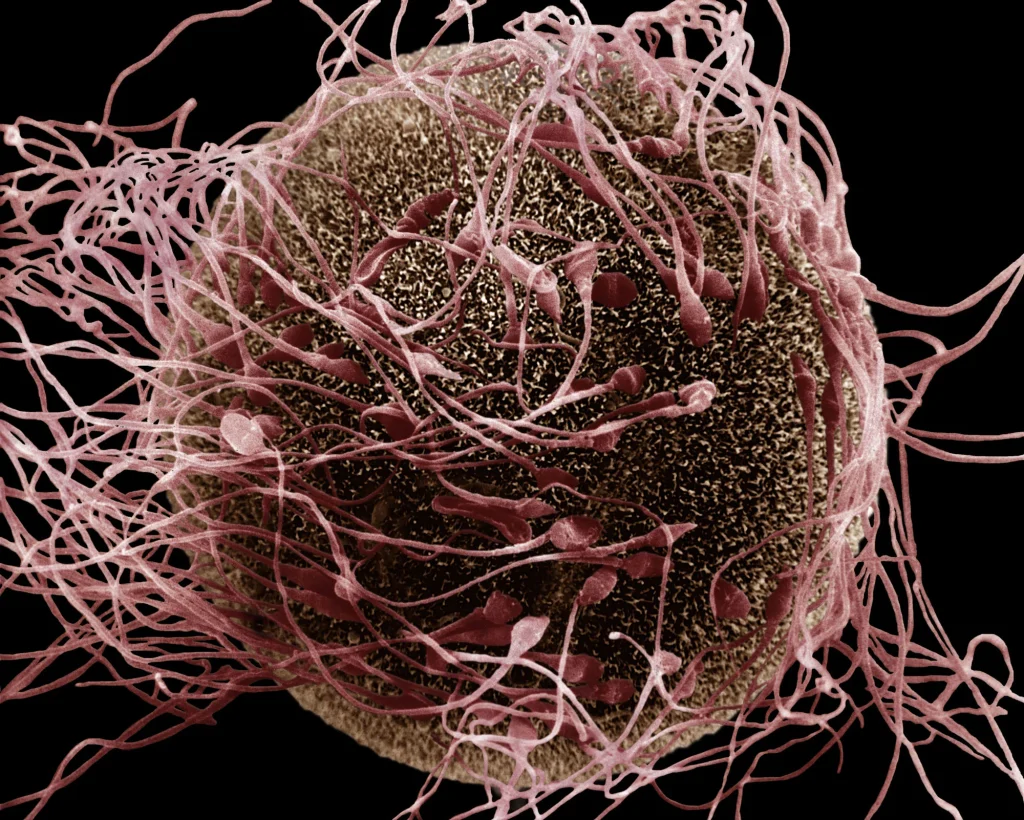
Vitamin D Deficiency and Its Effect on Male Fertility
Furthermore, vitamin D deficiency has been linked to an increased risk of DNA damage in sperm cells. This can lead to abnormal sperm morphology, which can make it challenging for the sperm to fertilize an egg and result in a healthy pregnancy.
Causes of Vitamin D Deficiency
There are various factors that can contribute to vitamin D deficiency, including lifestyle, diet, and environmental factors. The primary cause of vitamin D deficiency is a lack of exposure to sunlight, which is essential for the body to produce vitamin D naturally. People who live in regions with limited sunlight or spend most of their time indoors are at a higher risk of vitamin D deficiency.
Additionally, people with darker skin tones have a higher risk of vitamin D deficiency as their skin produces less vitamin D when exposed to sunlight. Other factors that can contribute to deficiency include a diet low in vitamin D-rich foods, certain medical conditions, and certain medications.
Prevention and Treatment of Vitamin D Deficiency
The best way to prevent vitamin D deficiency is to ensure adequate exposure to sunlight. Spending 15-20 minutes in the sun a few times a week can help the body produce enough vitamin D. However, people who live in areas with limited sunlight or have darker skin tones may need to supplement with vitamin D.
Eating a diet rich in vitamin D can also help prevent deficiency. Foods such as fatty fish, egg yolks, and fortified dairy products are excellent sources of vitamin D. In cases of severe deficiency, supplementation may be necessary. It is essential to consult a healthcare professional before starting any supplementation.
Summary:
Vitamin D is a crucial nutrient that plays a vital role in maintaining overall health, including reproductive health. Recent studies have shown that vitamin D deficiency can have a significant impact on male fertility, leading to reduced sperm quality and quantity. Vitamin D helps regulate testosterone levels, reduce oxidative stress, and maintain sperm health, making it essential for male reproductive health.
Vitamin D deficiency can be caused by factors such as limited sunlight exposure, dark skin tones, and poor diet. To prevent deficiency, it is essential to spend time in the sun, consume vitamin D-rich foods, and potentially supplement with vitamin D, if necessary.
In conclusion, vitamin D plays a crucial role in male fertility, and deficiency can have adverse effects on reproductive health. By understanding the importance of vitamin D and taking steps to prevent and treat deficiency, men can improve their chances of fathering a child and maintain overall reproductive health.