Blog Post: The Role of Vitamin D in Maintaining Healthy Sperm Production
Vitamin D is a crucial nutrient for overall health and well-being, and it plays an important role in maintaining healthy sperm production. Sperm production, also known as spermatogenesis, is a complex process that requires a balance of hormones and nutrients in order to function properly. In this blog post, we will explore the role of vitamin D in sperm production and how it can impact male fertility.
Understanding Sperm Production
Before diving into the role of vitamin D, it is important to understand the process of sperm production. Spermatogenesis occurs in the testes and involves the development and maturation of sperm cells. This process is regulated by various hormones, including testosterone, follicle-stimulating hormone (FSH), and luteinizing hormone (LH). Sperm production is a continuous process that takes around 64-72 days from start to finish.
The Role of Vitamin D in Sperm Production
Vitamin D is a fat-soluble vitamin that is often referred to as the “sunshine vitamin” because our bodies can produce it when our skin is exposed to sunlight. It is also found in some foods, such as fatty fish, egg yolks, and fortified dairy products. Vitamin D plays a crucial role in various bodily functions, including bone health, immune system support, and cell growth.
In terms of sperm production, vitamin D has been shown to play a vital role in the development and maturation of sperm cells. Studies have found that vitamin D receptors are present in the testes, and vitamin D deficiency has been linked to impaired spermatogenesis. In fact, a study published in the journal Human Reproduction found that men with vitamin D deficiency had a lower sperm count and decreased sperm motility compared to men with sufficient levels of vitamin D.
Vitamin D and Testosterone Levels
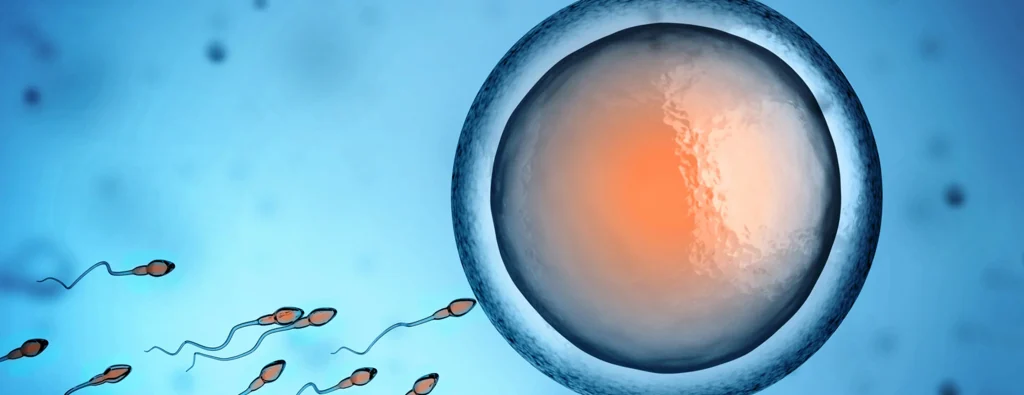
The Role of Vitamin D in Maintaining Healthy Sperm Production
Testosterone is a key hormone in sperm production, and vitamin D has been shown to influence its production. A study published in the journal Hormone and Metabolic Research found that men with low levels of vitamin D also had lower levels of testosterone. Additionally, researchers have found that vitamin D supplementation can increase testosterone levels in men who are deficient in the nutrient.
Other Benefits of Vitamin D for Male Fertility
In addition to its role in sperm production and testosterone levels, vitamin D also offers other benefits for male fertility. Studies have found that vitamin D can improve semen quality, including sperm count, motility, and morphology. It has also been linked to improved sperm DNA integrity, which is important for successful fertilization and healthy embryo development.
Furthermore, vitamin D has anti-inflammatory properties, and chronic inflammation has been linked to male infertility. By reducing inflammation, vitamin D can help improve sperm production and overall fertility.
How to Maintain Healthy Vitamin D Levels
Many factors can contribute to vitamin D deficiency, including inadequate sun exposure, a poor diet, and certain health conditions. To maintain healthy vitamin D levels, it is important to get enough sun exposure, consume foods rich in the nutrient, and consider supplementation if needed. The recommended daily intake of vitamin D is 600-800 IU, but this may vary based on individual needs.
Conclusion
In summary, vitamin D plays a crucial role in maintaining healthy sperm production. It influences testosterone levels, improves semen quality, and has anti-inflammatory properties that can benefit male fertility. To ensure optimal sperm production, it is important to maintain healthy vitamin D levels through sun exposure, diet, and potentially supplementation.
SEO Metadata: