Blog Post: The Impact of Vitamin D Deficiency on Sperm Health
Vitamin D is an essential nutrient that plays a crucial role in maintaining our overall health. It is known as the “sunshine vitamin” because our body produces it when our skin is exposed to sunlight. Apart from its role in bone health, recent studies have shown that vitamin D also plays a significant role in reproductive health, specifically in sperm health.
Sperm health is essential for fertility and conception. Sperm cells are responsible for fertilizing the female egg, and any abnormalities or deficiencies in sperm can significantly impact a couple’s chances of conceiving. In this blog post, we will explore the effects of vitamin D deficiency on sperm health and how it can potentially lead to infertility.
The Role of Vitamin D in Sperm Health
Vitamin D is essential for the development and maturation of sperm cells. It helps in maintaining the structural integrity of the sperm cell, making it more resilient to oxidative stress and DNA damage. Vitamin D also plays a crucial role in regulating the production of testosterone, the male sex hormone responsible for sperm production.
Research has shown that men with sufficient levels of vitamin D have higher sperm counts and better sperm motility, which refers to the sperm’s ability to move and swim towards the female egg. Vitamin D also plays a role in sperm morphology, which refers to the size and shape of the sperm. Studies have found that men with vitamin D deficiency have a higher percentage of abnormal sperm morphology, which can lead to fertility issues.
Vitamin D Deficiency and Male Infertility
Infertility is a growing concern for many couples, with approximately 15% of couples struggling to conceive. While there are various factors that can contribute to infertility, vitamin D deficiency is one that is often overlooked. Several studies have linked vitamin D deficiency to male infertility, and here’s how it affects sperm health:
Reduced Sperm Count: Vitamin D deficiency has been associated with a lower sperm count, which refers to the number of sperm cells present in a semen sample. A lower sperm count means that there are fewer sperm available to fertilize the female egg, reducing the chances of conception.
Impaired Sperm Motility: As mentioned, sperm motility is crucial for the sperm to reach and fertilize the egg. Vitamin D deficiency has been linked to reduced sperm motility, making it challenging for sperm to reach the egg and fertilize it.
Increased DNA Fragmentation: Sperm DNA fragmentation occurs when there is damage to the genetic material within the sperm cell. Vitamin D deficiency has been associated with increased DNA fragmentation, which can lead to abnormal sperm and potentially cause fertility issues.
Hormonal Imbalance: Vitamin D plays a vital role in regulating the production of testosterone, the male sex hormone responsible for sperm production. A deficiency in vitamin D can lead to a hormonal imbalance, resulting in reduced sperm production and quality.
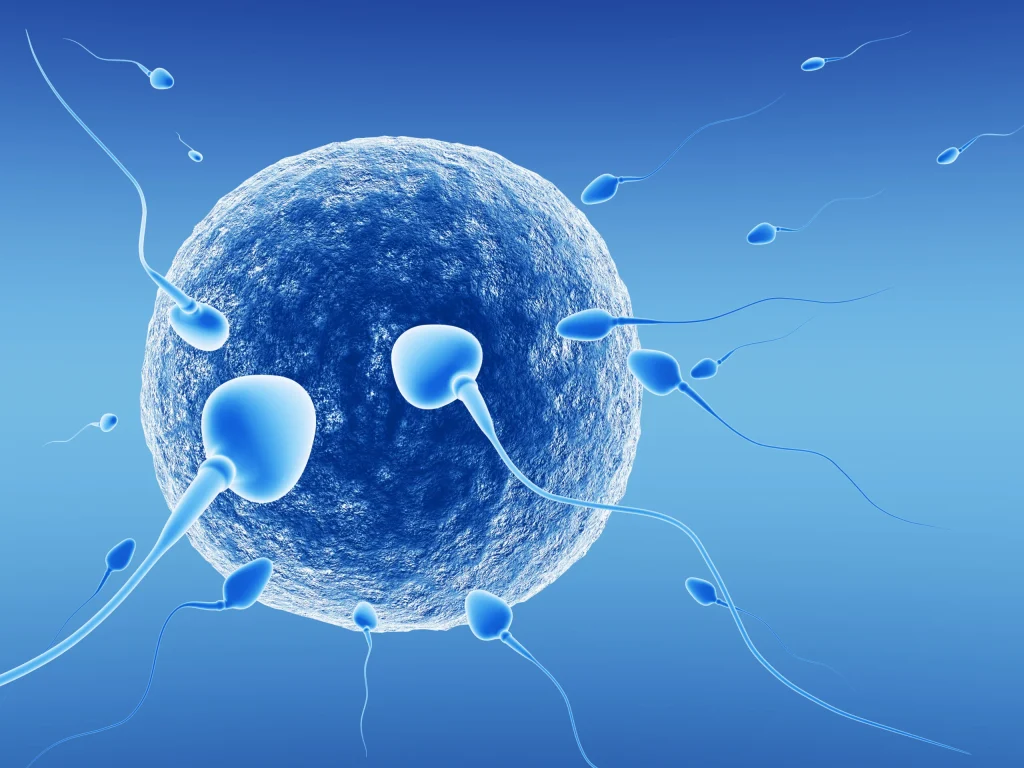
Vitamin D Deficiency and Its Effect on Sperm Health
What Causes Vitamin D Deficiency?
Vitamin D deficiency is prevalent, with an estimated one billion people worldwide having insufficient levels of this essential nutrient. There are various factors that can contribute to vitamin D deficiency, including:
Limited Sun Exposure: As mentioned earlier, our body produces vitamin D when our skin is exposed to sunlight. However, due to modern lifestyles, many people spend most of their time indoors, limiting their sun exposure.
Dietary Factors: Vitamin D is found in certain foods such as fatty fish, eggs, and fortified dairy products. However, many people do not consume enough of these foods, leading to a deficiency.
Dark Skin: People with darker skin produce less vitamin D compared to those with lighter skin. This is because melanin, the pigment responsible for skin color, reduces the skin’s ability to produce vitamin D when exposed to sunlight.
Obesity: Vitamin D is a fat-soluble vitamin, meaning it is stored in fat cells. People with obesity have a higher risk of vitamin D deficiency as the vitamin gets trapped in the fat cells, limiting its availability for the body to use.
Other Factors: Certain medical conditions, medications, and age can also contribute to vitamin D deficiency.
How to Improve Vitamin D Levels
If you suspect that you have vitamin D deficiency, it is essential to consult your doctor for a blood test to confirm it. If you have a deficiency, your doctor may recommend supplements or dietary changes to help improve your vitamin D levels. Supplements are available in the form of tablets, capsules, or drops and are an effective way to increase vitamin D levels.
You can also improve your vitamin D levels through sun exposure. However, it is essential to practice safe sun exposure and avoid prolonged exposure during peak hours, as excessive sun exposure can increase the risk of skin cancer.
In addition to supplements and sun exposure, incorporating vitamin D-rich foods into your diet can also help improve your levels. Fatty fish, such as salmon and tuna, egg yolks, and fortified dairy products, are excellent sources of vitamin D.
Summary:
Vitamin D is an essential nutrient with a significant role in maintaining our overall health. Recent studies have shown that it also plays a crucial role in sperm health. Vitamin D deficiency has been linked to reduced sperm count, impaired sperm motility, increased DNA fragmentation, and hormonal imbalance, all of which can lead to male infertility. Factors such as limited sun exposure, dietary habits, and certain medical conditions can contribute to vitamin D deficiency. To improve vitamin D levels, supplements, safe sun exposure, and incorporating vitamin D-rich foods into the diet are recommended.