Vitamin D: The Key to Stronger, Healthier Sperm
When it comes to male fertility, there are many factors that can affect it, from diet and lifestyle to genetics and environmental factors. But one key factor that is often overlooked is the role of vitamin D in sperm health. While most people associate vitamin D with bone health, it also plays a crucial role in the reproductive system, especially in the production and quality of sperm. In this blog post, we will explore the link between vitamin D and sperm health, and how ensuring adequate levels of this essential nutrient can lead to stronger and healthier sperm.
The Importance of Vitamin D for Sperm Health
Vitamin D, also known as the sunshine vitamin, is a fat-soluble vitamin that is primarily produced in the body when the skin is exposed to sunlight. It is also found in some foods, such as fatty fish, egg yolks, and fortified dairy products. Vitamin D has many important functions in the body, including regulating calcium levels, supporting immune function, and promoting healthy bones. But it also plays a critical role in male reproductive health.
Several studies have shown a strong link between vitamin D levels and sperm health. One study found that men with vitamin D deficiency had lower sperm counts and decreased sperm motility, while those with sufficient levels had higher sperm counts and better sperm quality. Another study showed that vitamin D supplementation improved sperm motility and morphology in infertile men. These findings suggest that vitamin D has a direct impact on sperm production and quality, making it essential for male fertility.
How Vitamin D Affects Sperm Health
So, how does vitamin D affect sperm health? First, it is important to understand the process of sperm production. Sperm cells are produced in the testicles through a process called spermatogenesis. This process involves the division and maturation of germ cells, which eventually develop into sperm cells. Vitamin D plays a crucial role in this process by regulating the expression of genes involved in sperm production. It also helps in the maturation of sperm cells, ensuring that they are healthy and fully functional.
Moreover, vitamin D has antioxidant properties, which means it can protect sperm cells from oxidative damage. Oxidative stress is a major cause of sperm damage, leading to lower sperm counts and poor sperm quality. Vitamin D helps neutralize free radicals and prevent oxidative damage, thus promoting healthier sperm. Additionally, vitamin D also supports testosterone production, which is essential for sperm production and male fertility.
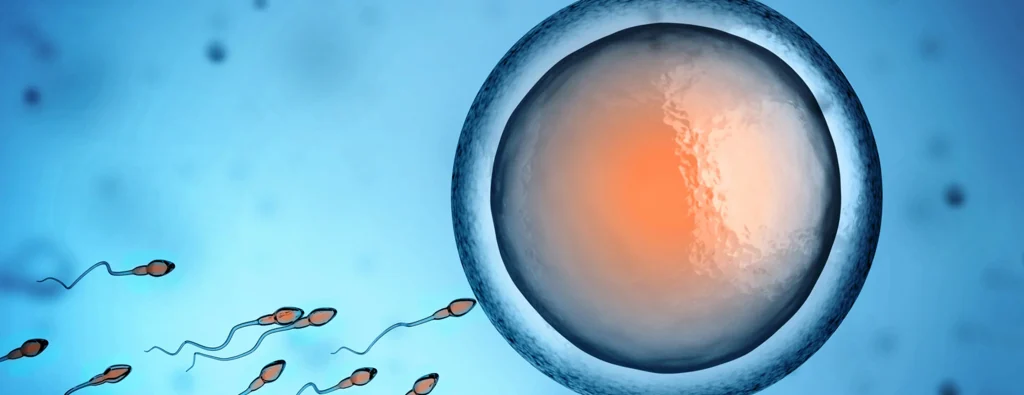
Vitamin D: The Key to Stronger, Healthier Sperm
The Link Between Vitamin D and Testosterone
Testosterone is the primary male sex hormone responsible for the development of male reproductive organs and characteristics. It also plays a crucial role in sperm production and libido. Studies have shown that vitamin D deficiency is associated with low testosterone levels in men. This is because vitamin D is involved in the production of testosterone in the testicles. When there is a lack of vitamin D, testosterone production may be affected, leading to lower sperm counts and decreased libido. Therefore, ensuring adequate levels of vitamin D can help maintain healthy testosterone levels, promoting optimal sperm production and sexual function.
Other Benefits of Vitamin D for Male Fertility
Aside from promoting sperm health, vitamin D has other benefits for male fertility. It has been linked to improved erectile function and increased sperm volume, both of which are essential for successful conception. Vitamin D also supports the immune system, which can help prevent infections and inflammation in the reproductive organs. Inflammation in the testicles can lead to damage to sperm cells, affecting fertility.
How to Ensure Adequate Vitamin D Levels
Now that we understand the important role of vitamin D in sperm health, the question is, how can we ensure adequate levels of this essential nutrient? The most natural way to increase vitamin D levels is through exposure to sunlight. Spending 15-20 minutes in the sun each day can provide enough vitamin D for most people. However, factors such as location, season, and skin color can affect how much vitamin D is produced by the body. Therefore, it is recommended to get your vitamin D levels tested and consult with a healthcare professional for personalized guidance on sun exposure.
Diet is another way to increase vitamin D intake. Foods rich in vitamin D include fatty fish, egg yolks, and fortified dairy products. However, it may be challenging to get enough vitamin D through diet alone, so supplementation may be necessary. Consult with a healthcare professional to determine the appropriate dosage and type of vitamin D supplement for your needs.
Summary
In summary, vitamin D plays a crucial role in sperm health and male fertility. It supports sperm production, quality, and testosterone levels, all of which are essential for successful conception. Adequate levels of vitamin D can be achieved through sun exposure, diet, and supplementation. However, it is important to consult with a healthcare professional to determine the best approach for your individual needs.